Resident, seasonal and occasional birds that can be seen in the village.

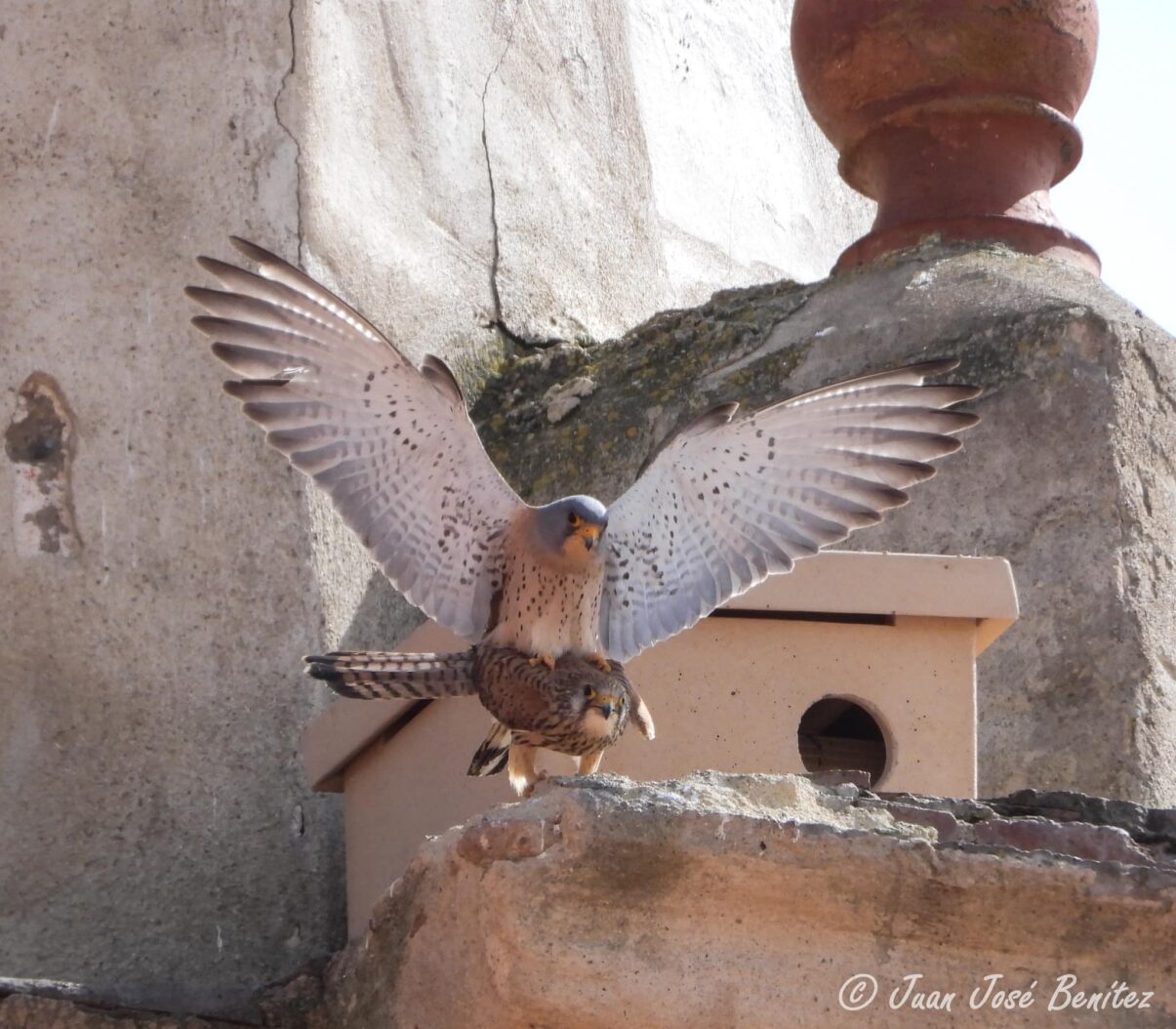
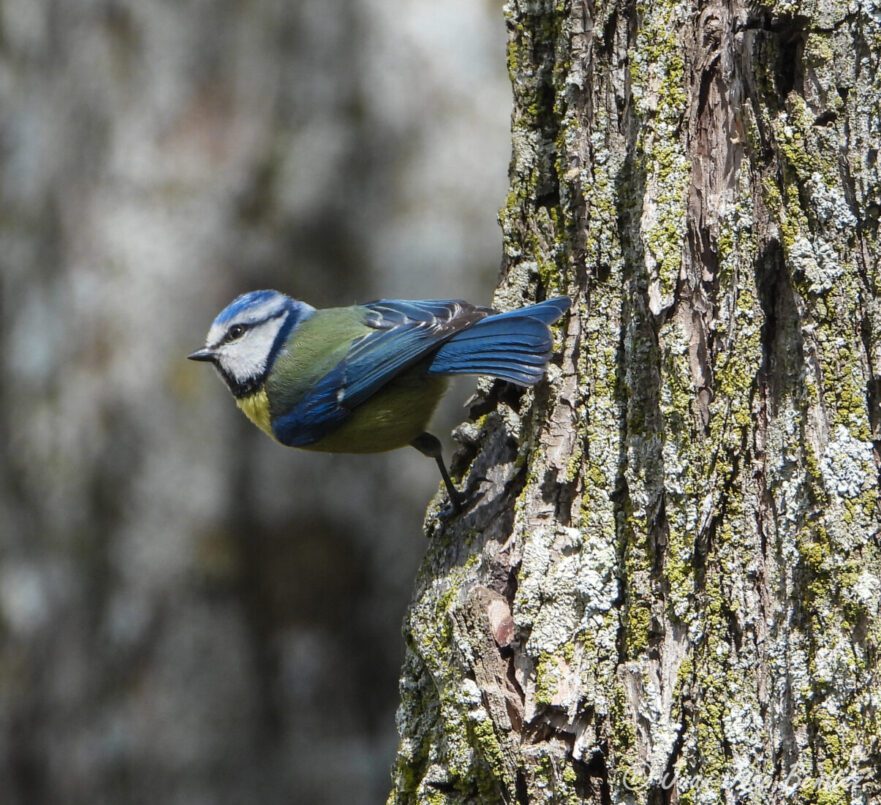
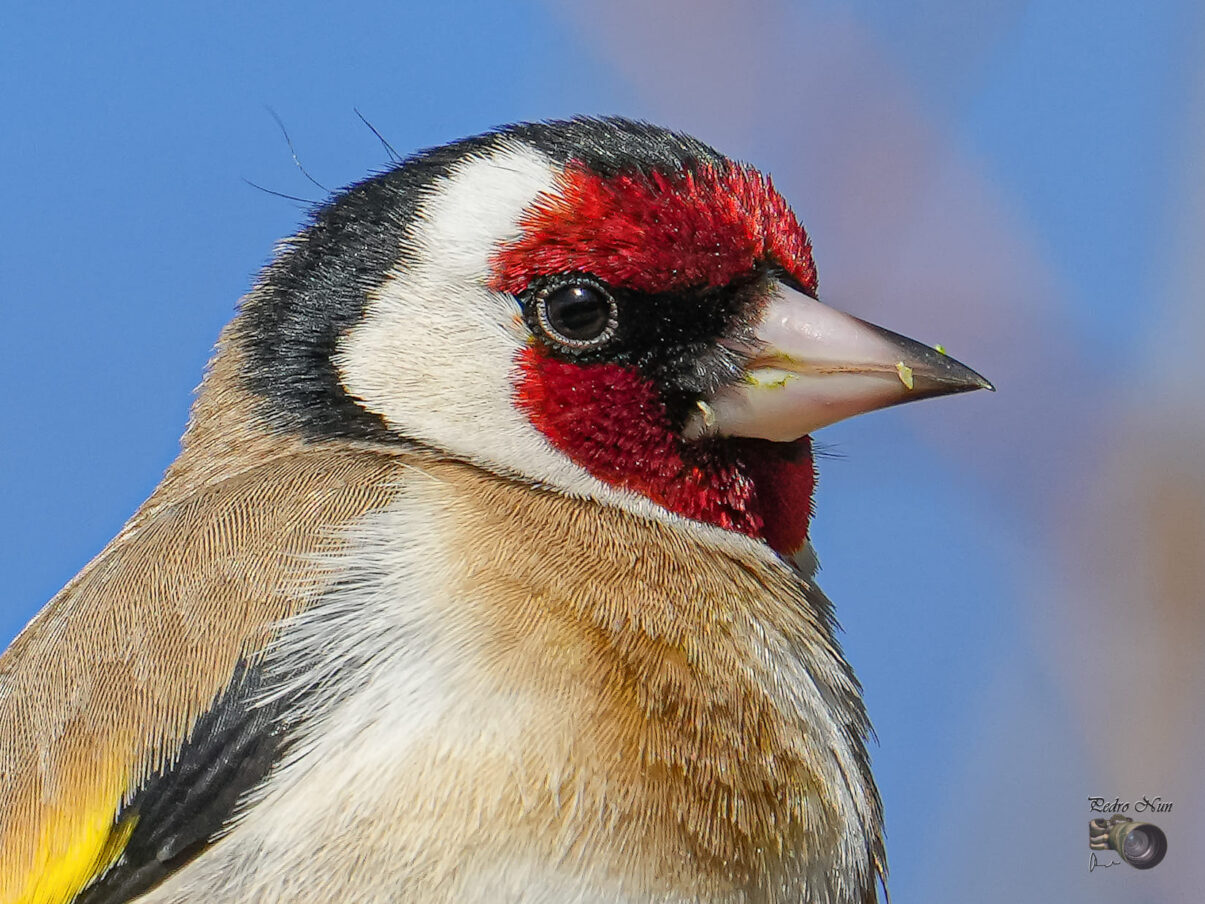
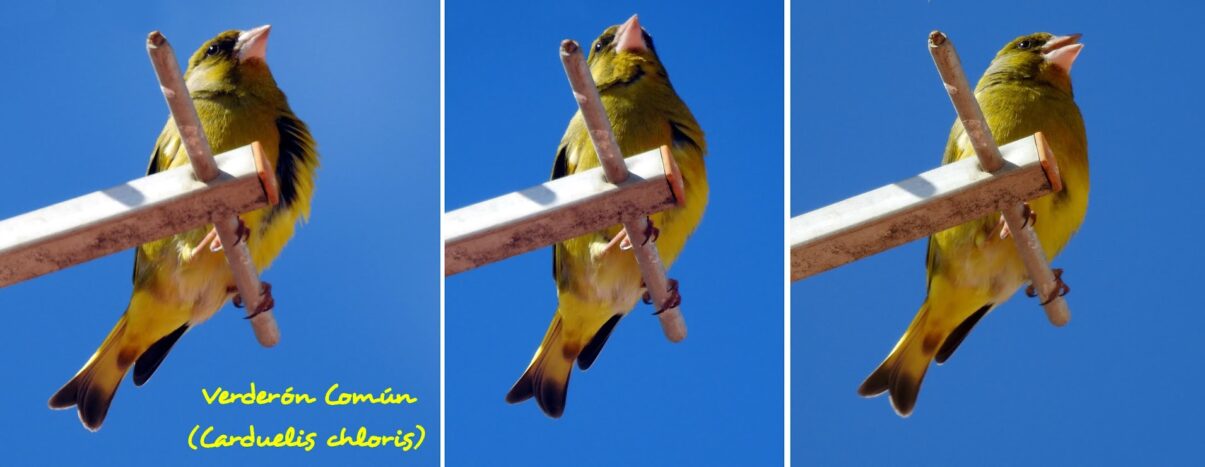
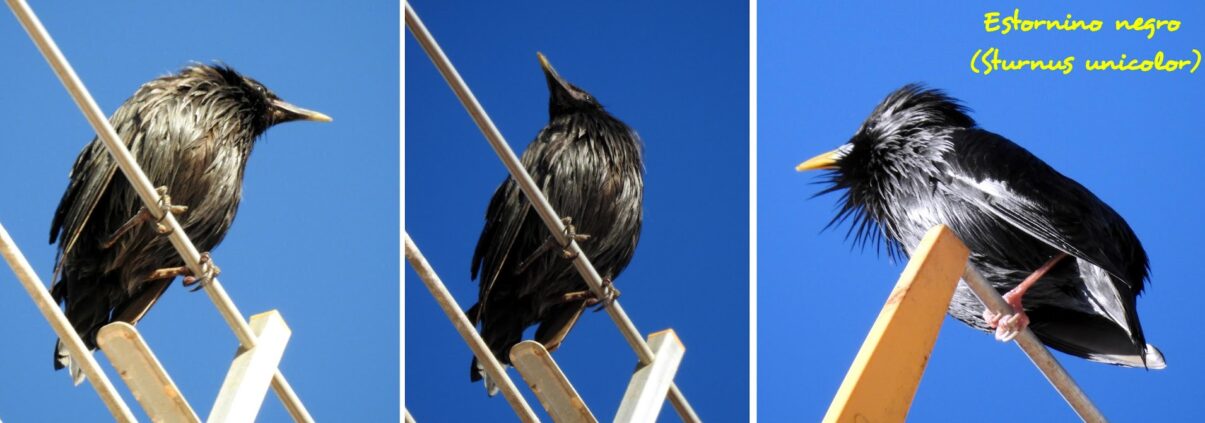
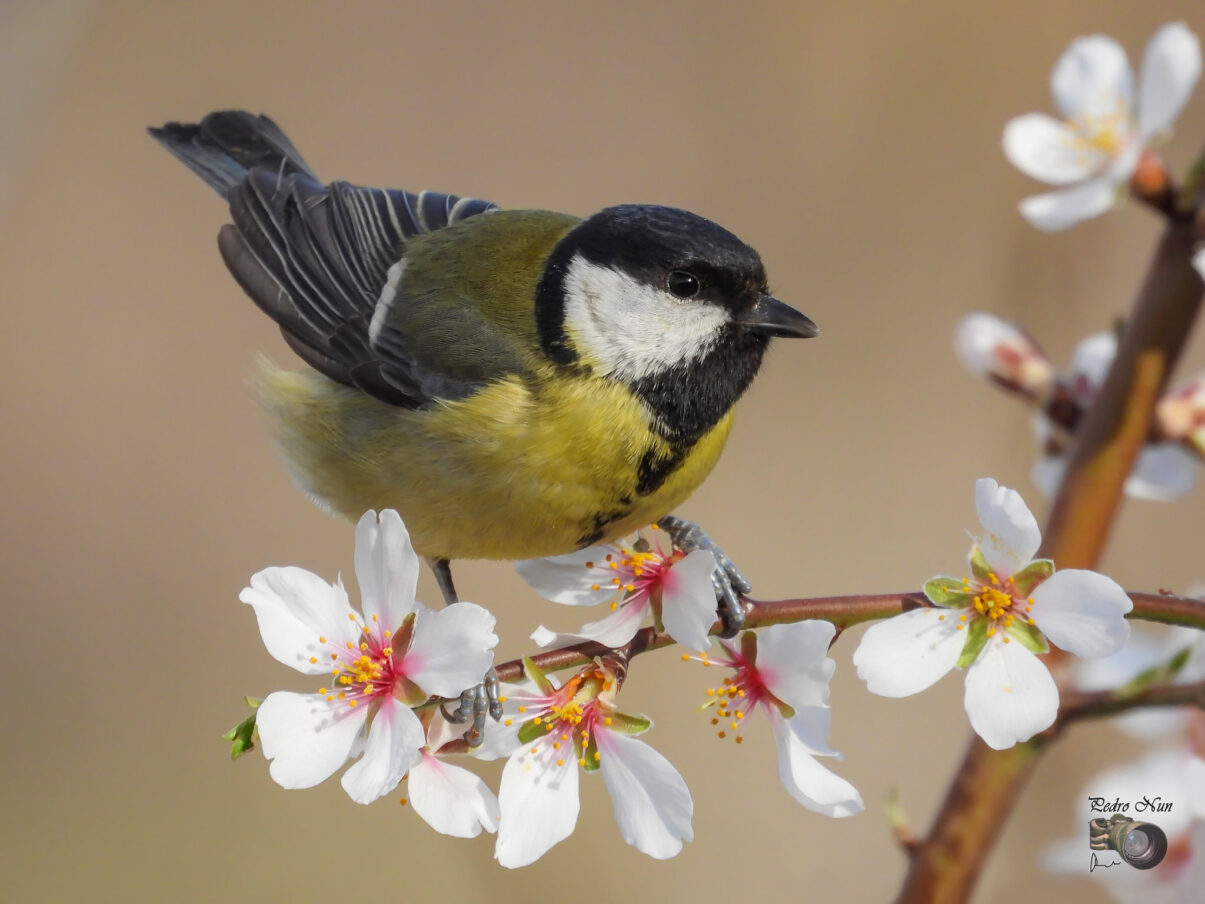
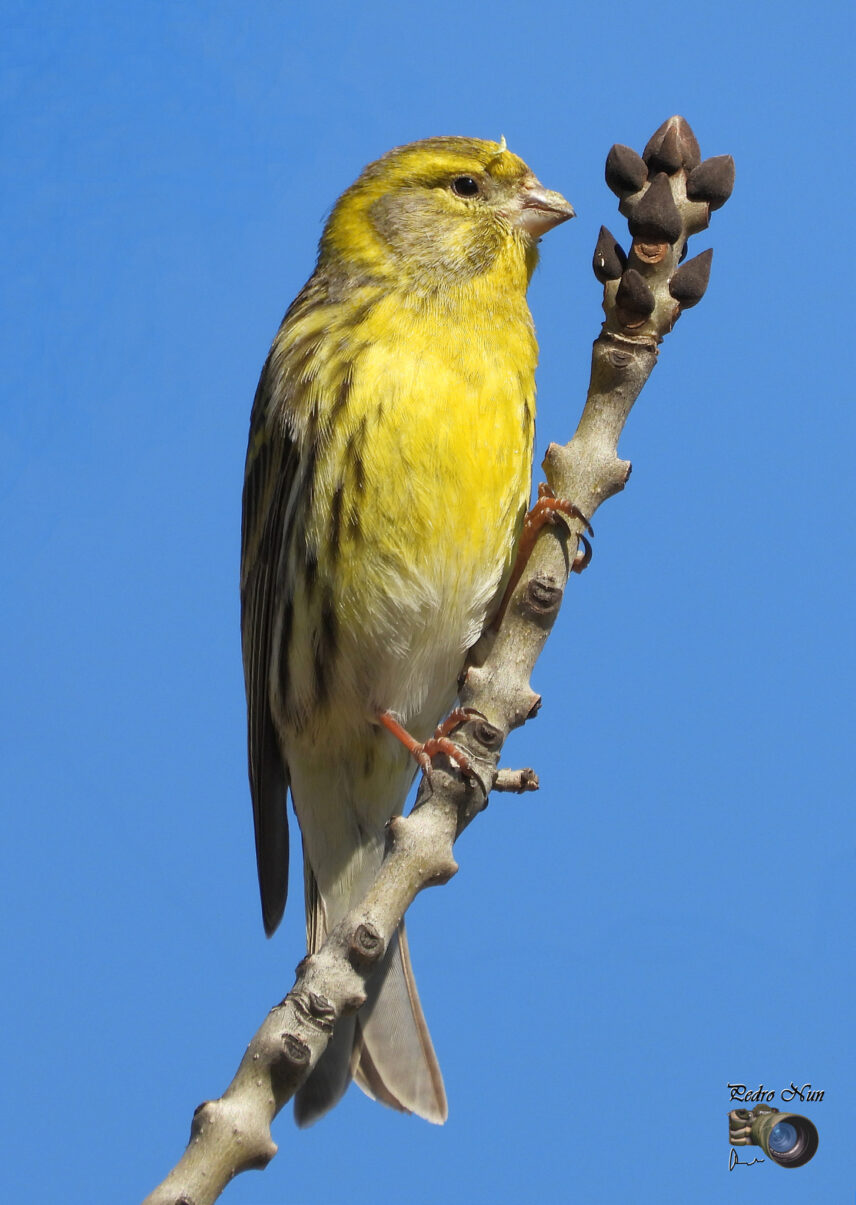
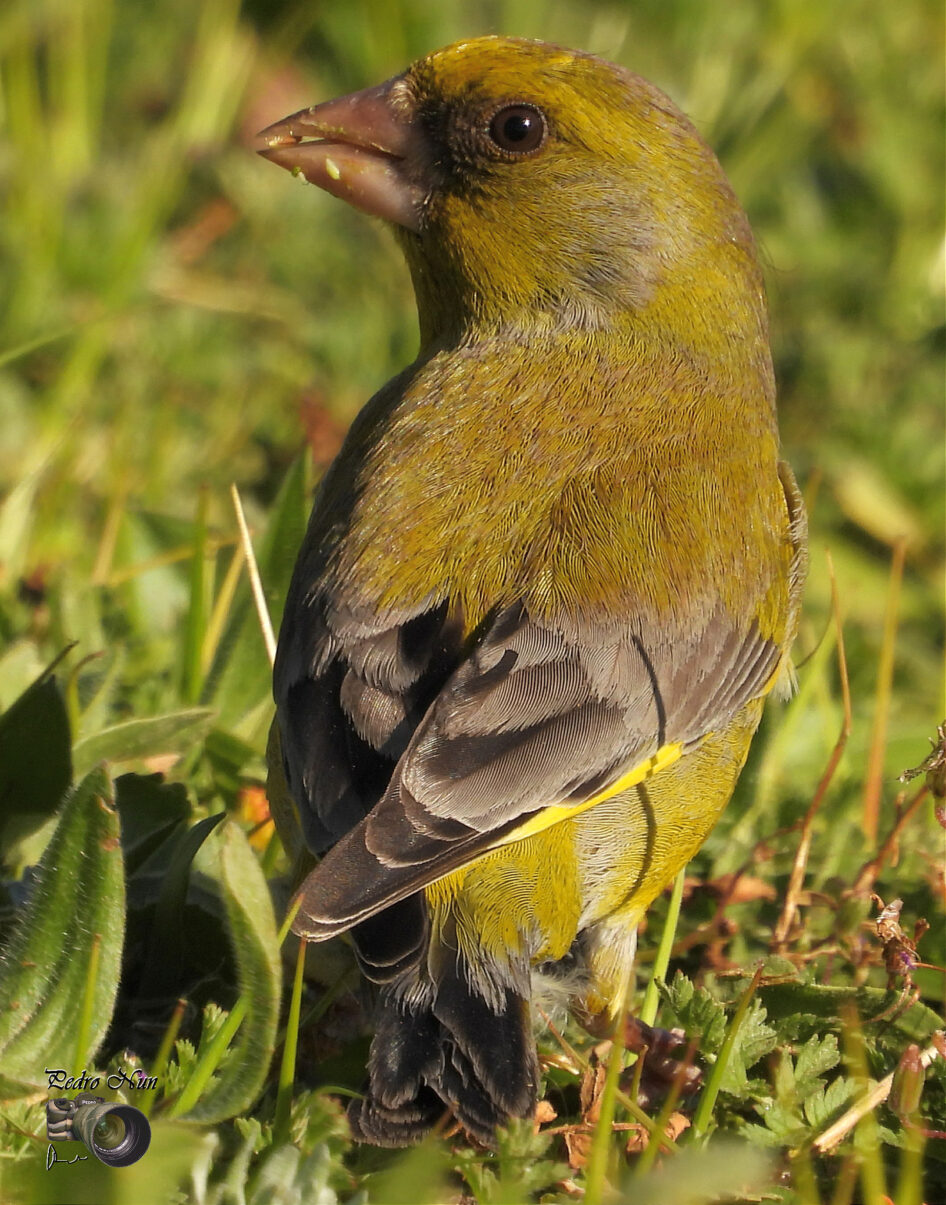
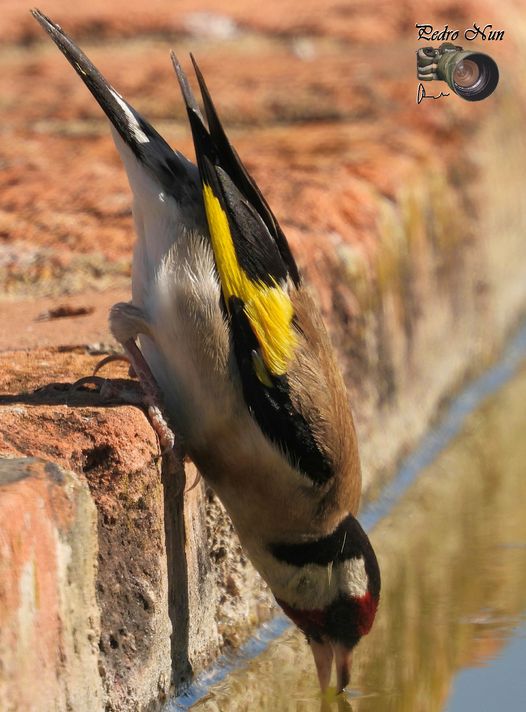
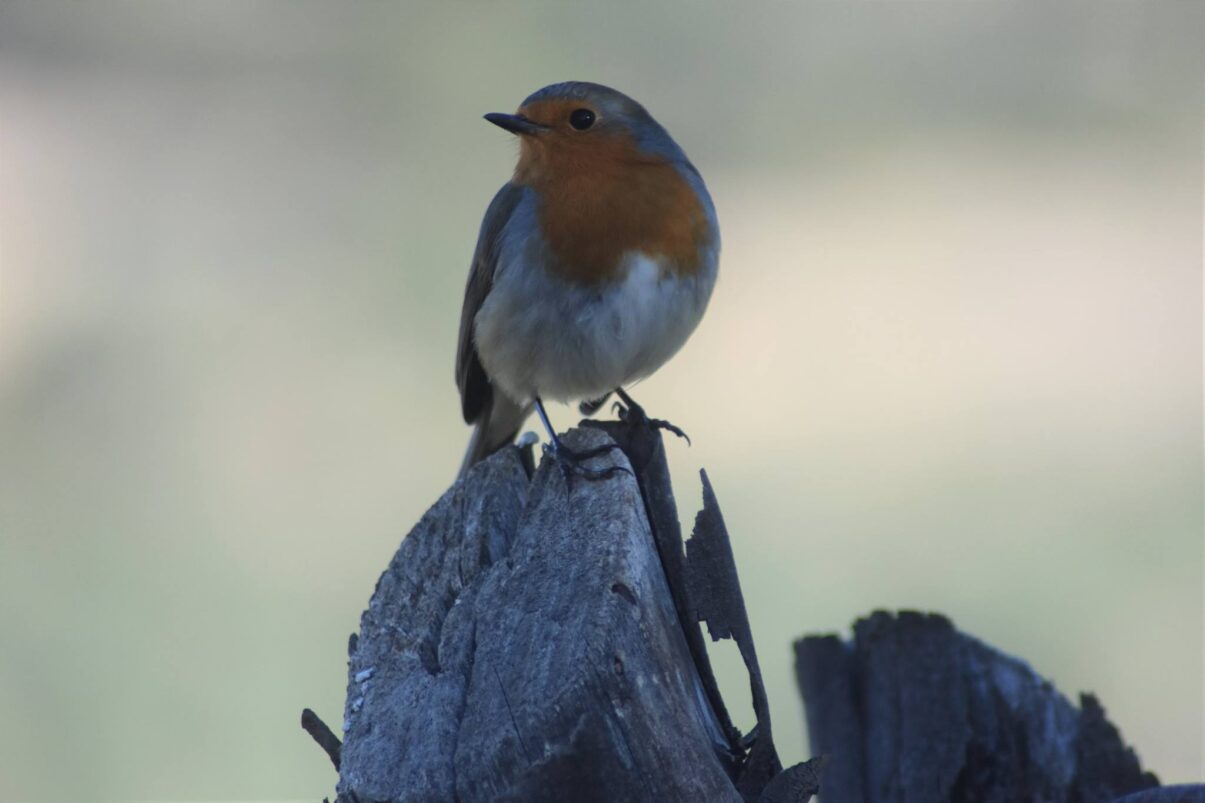
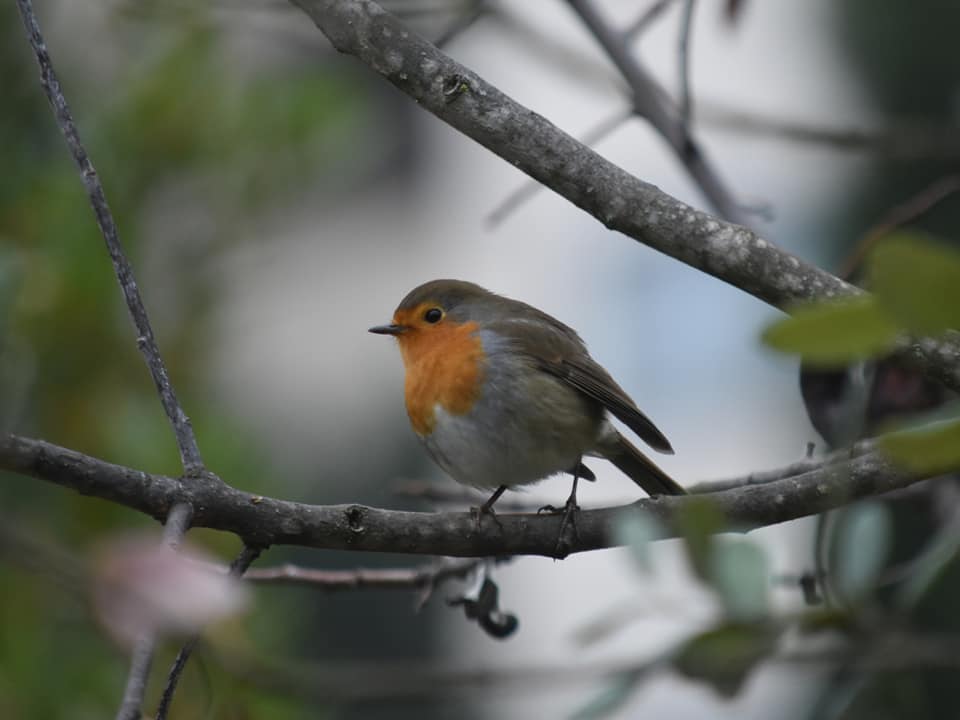
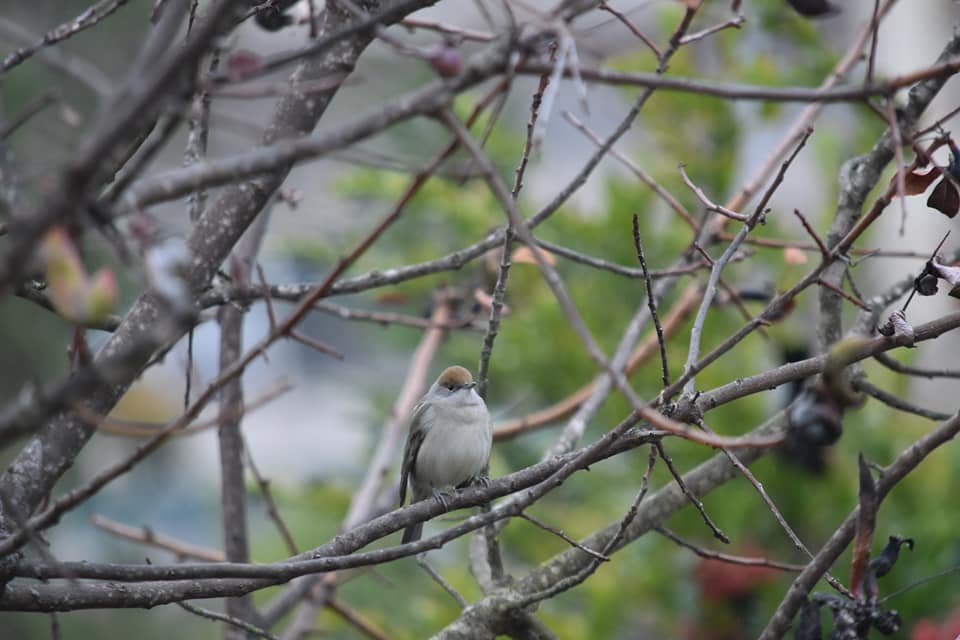
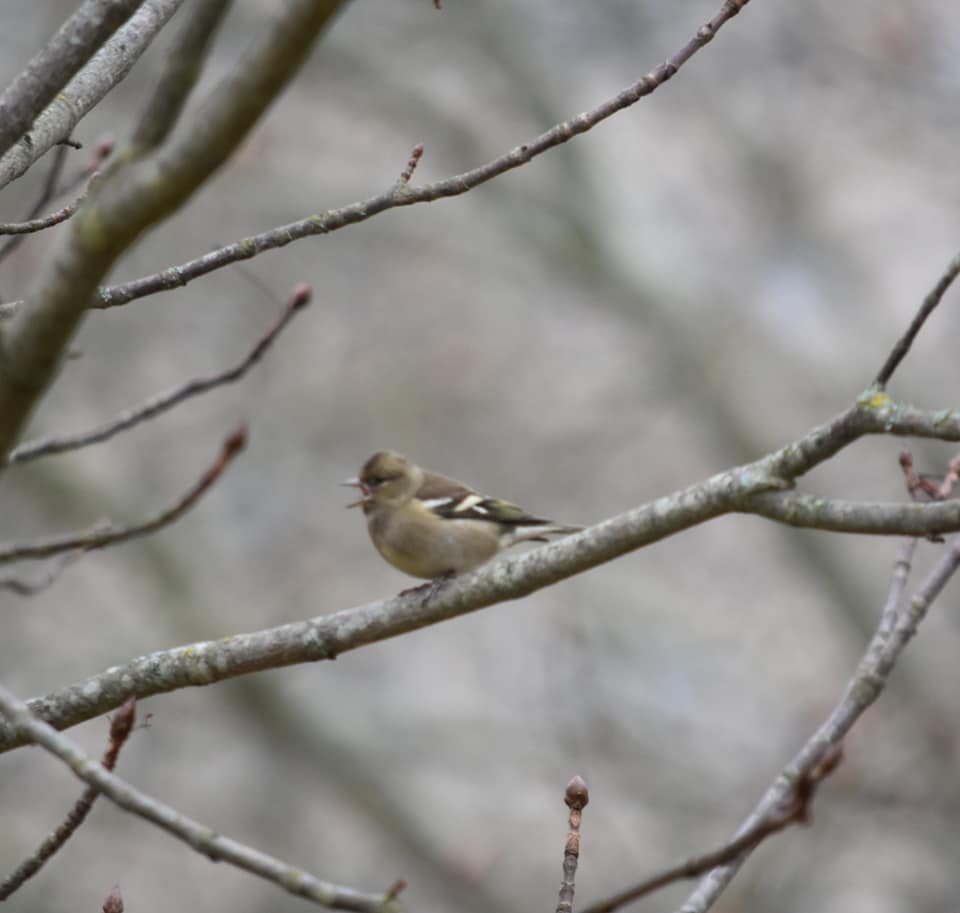
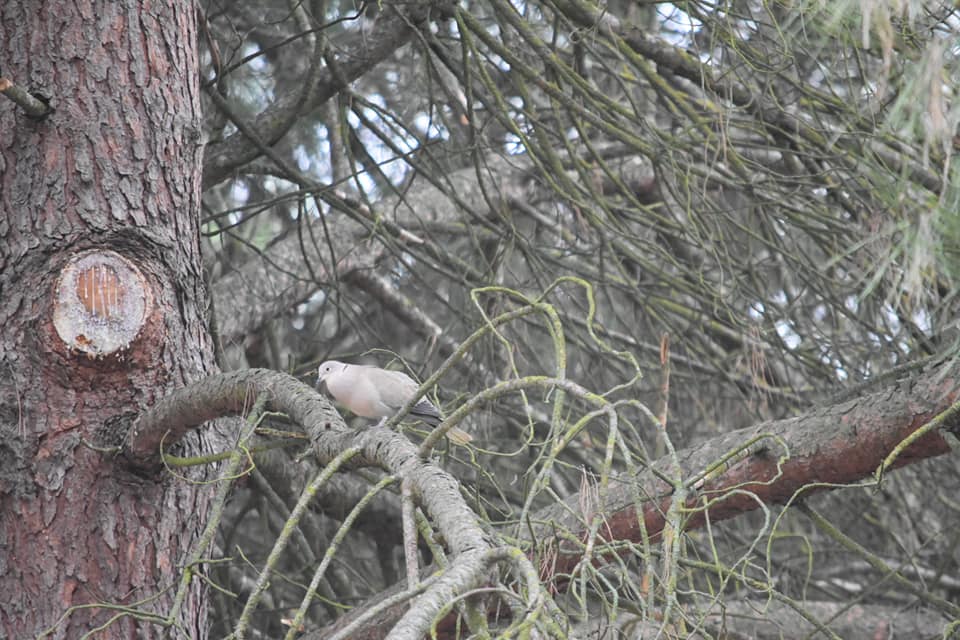
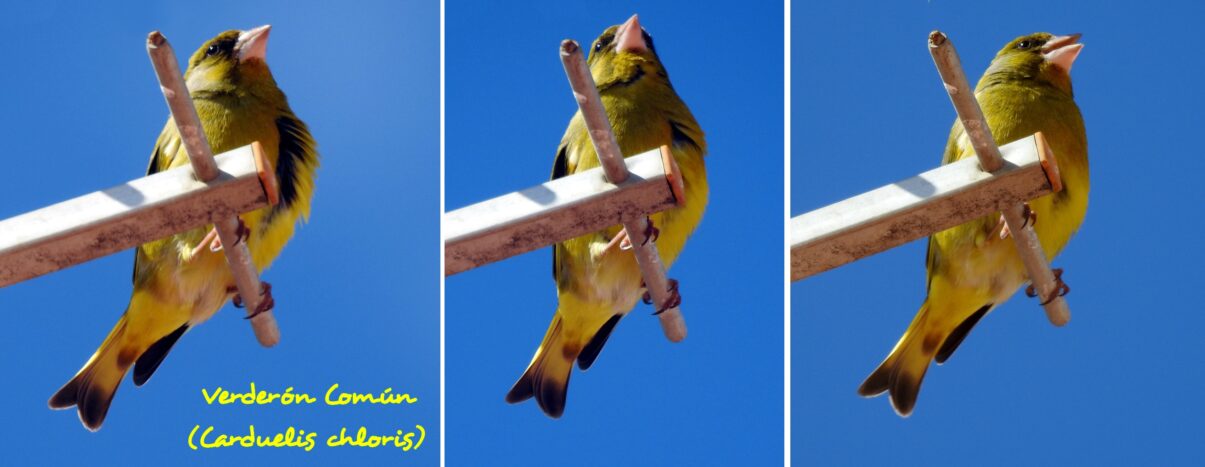
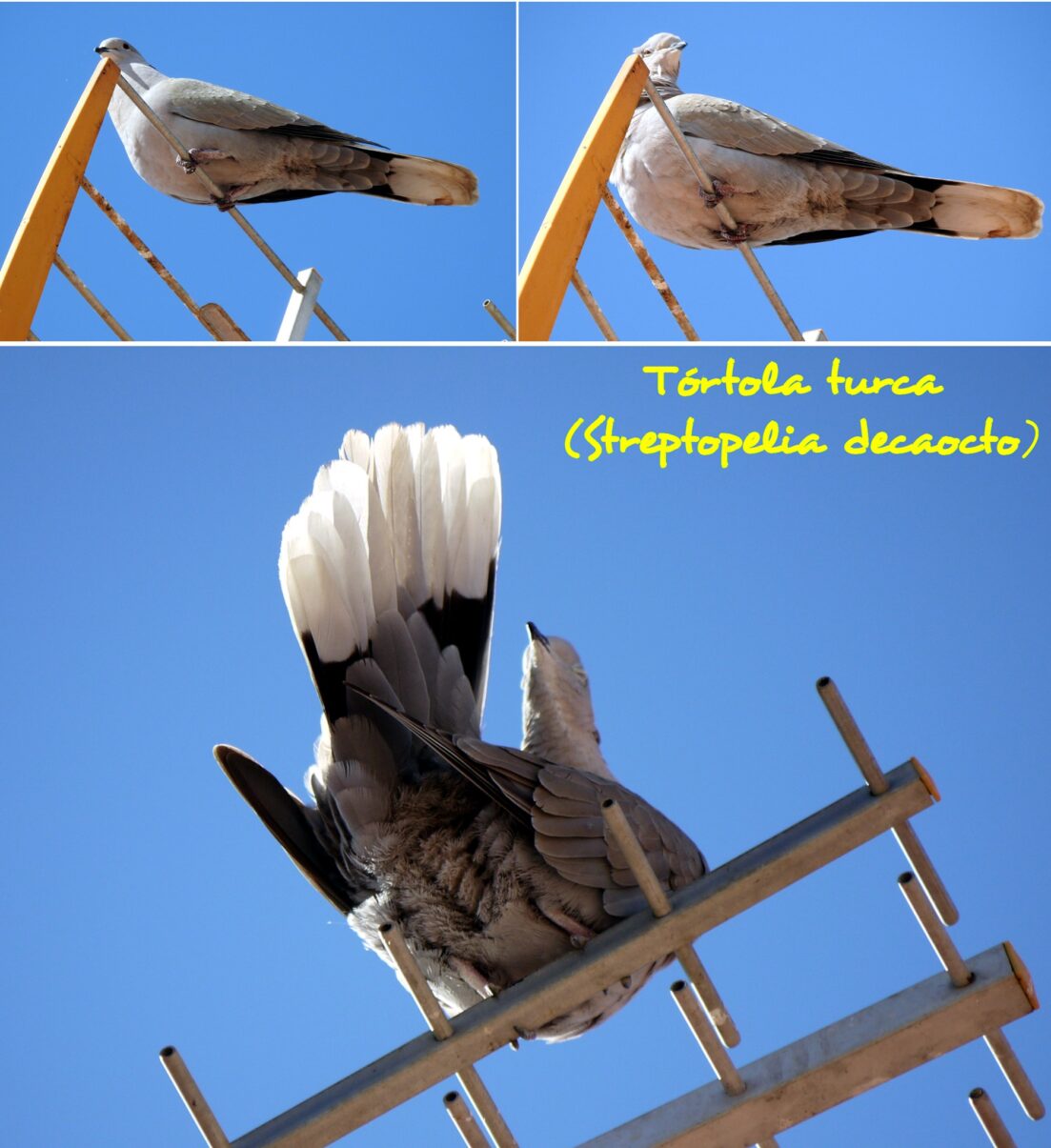
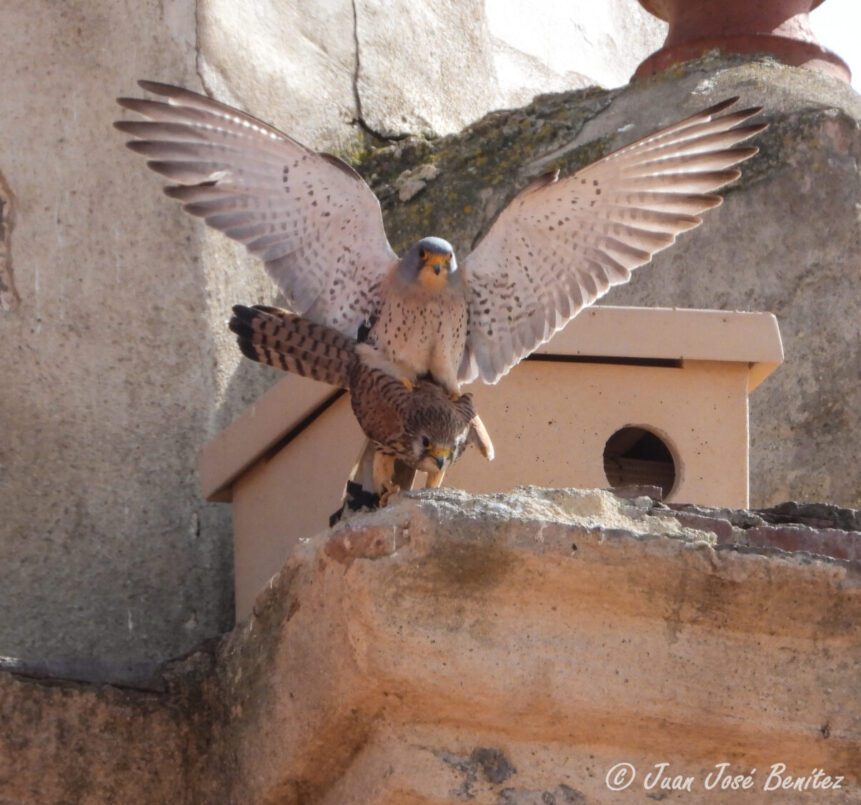
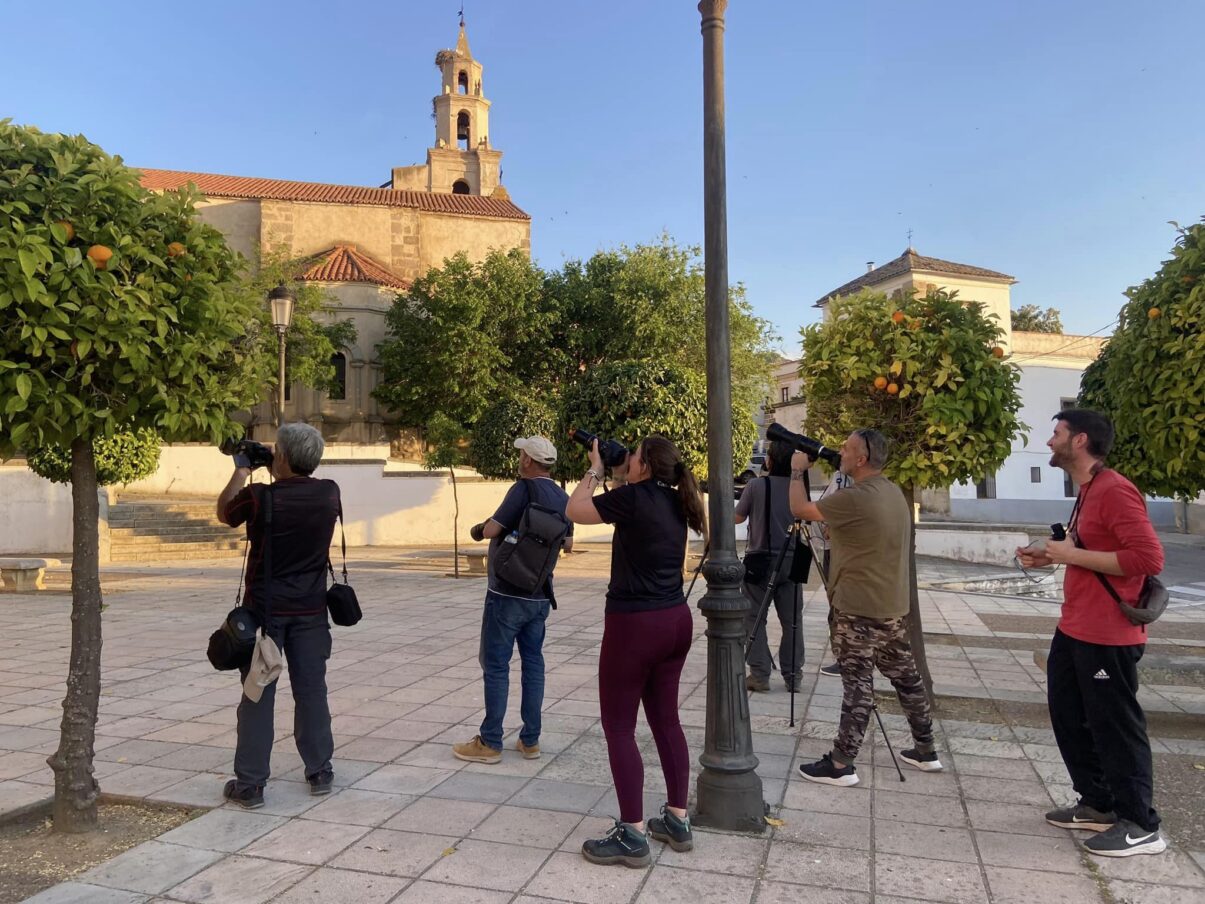
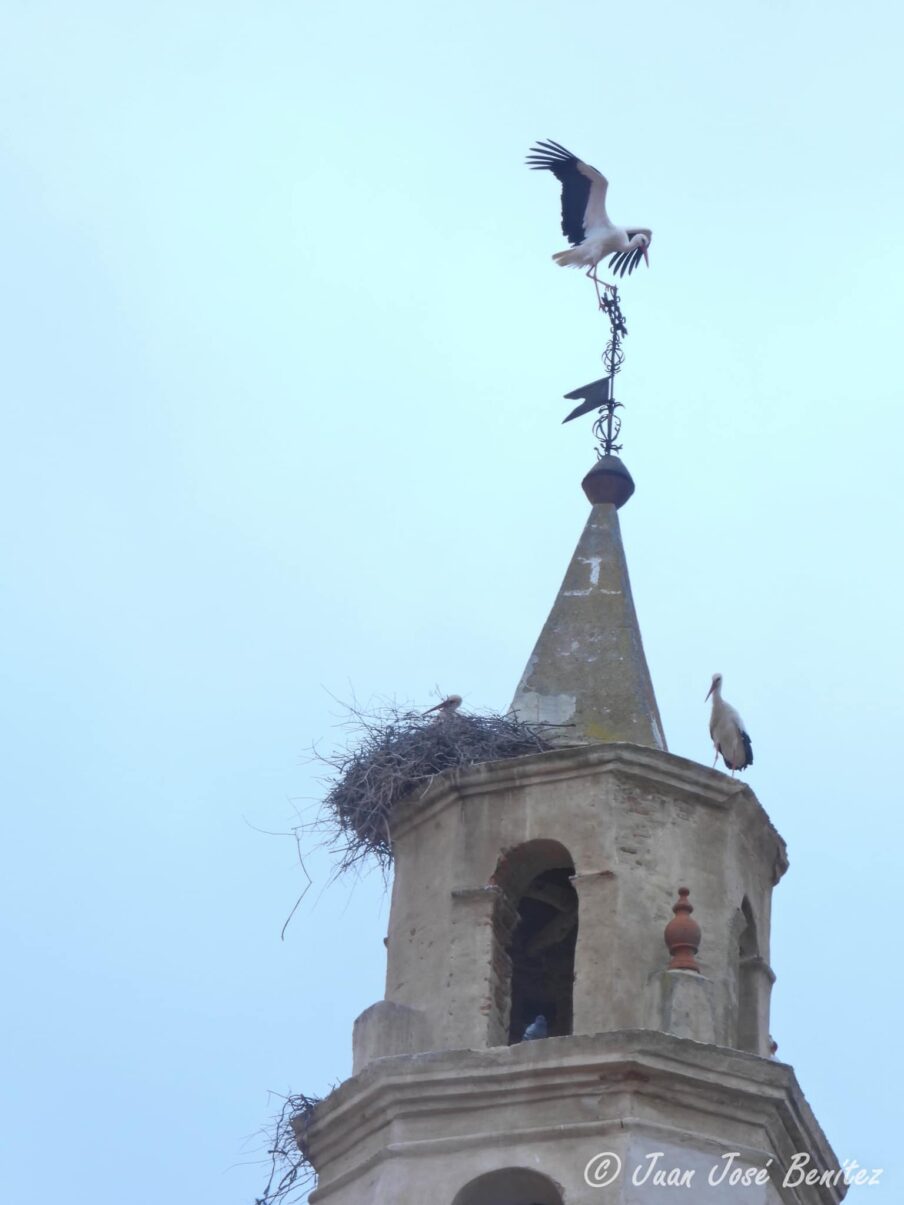
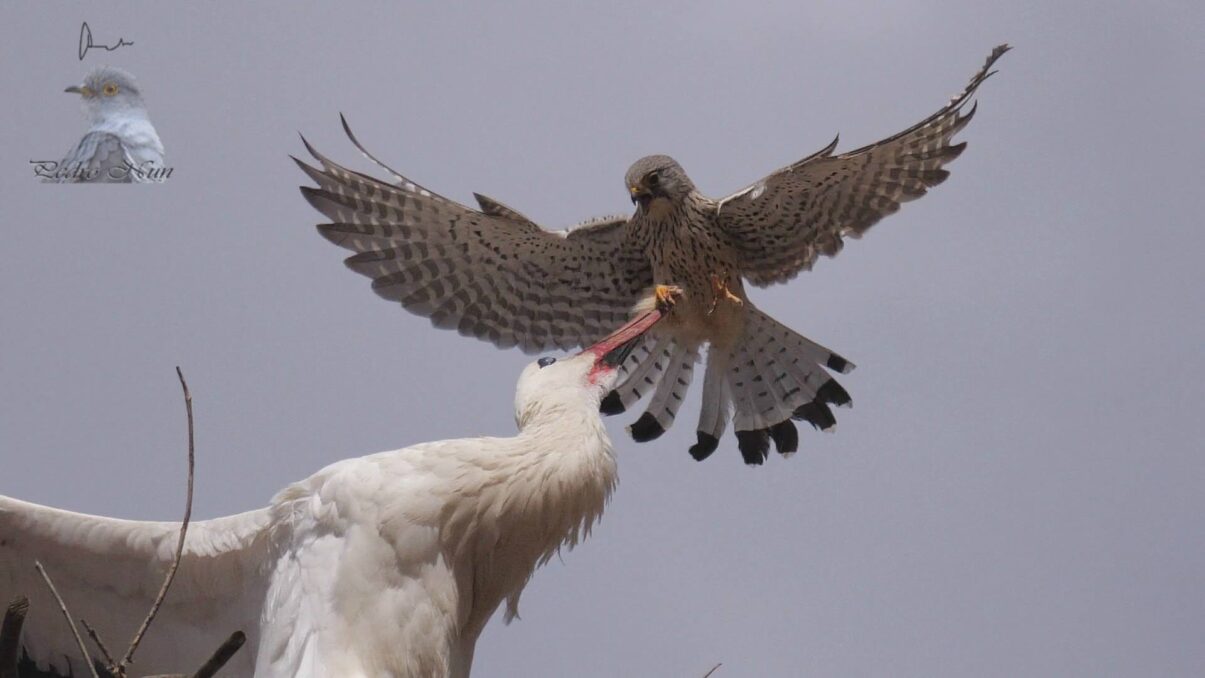
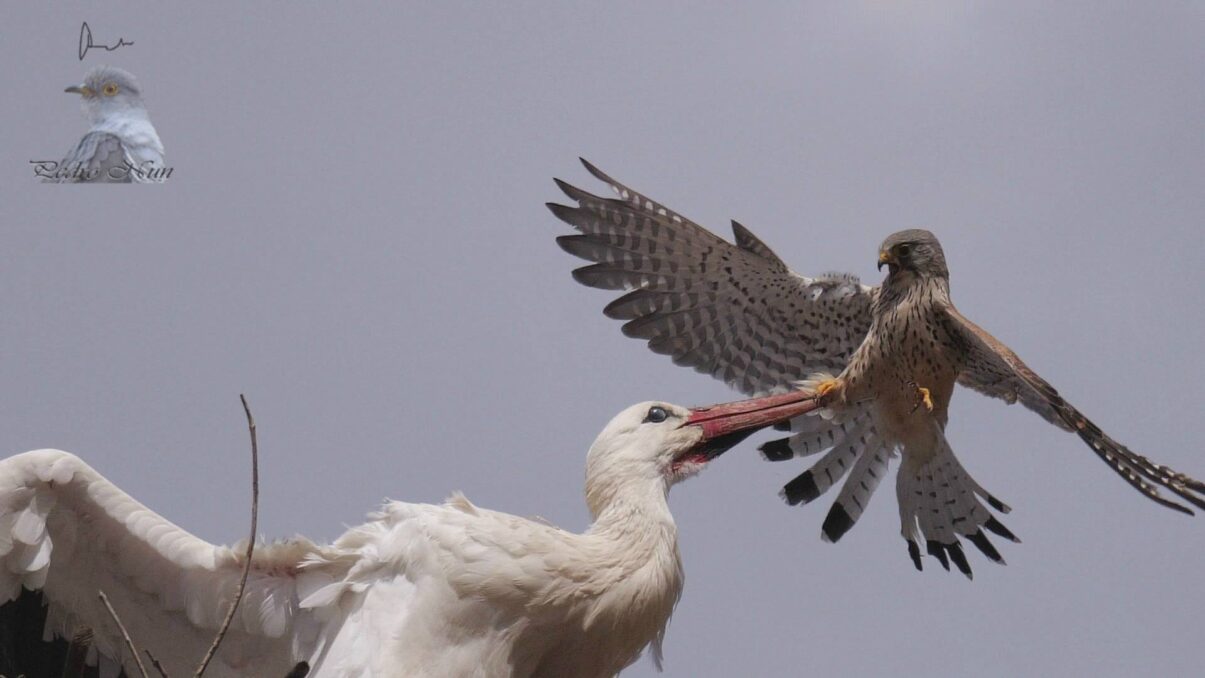
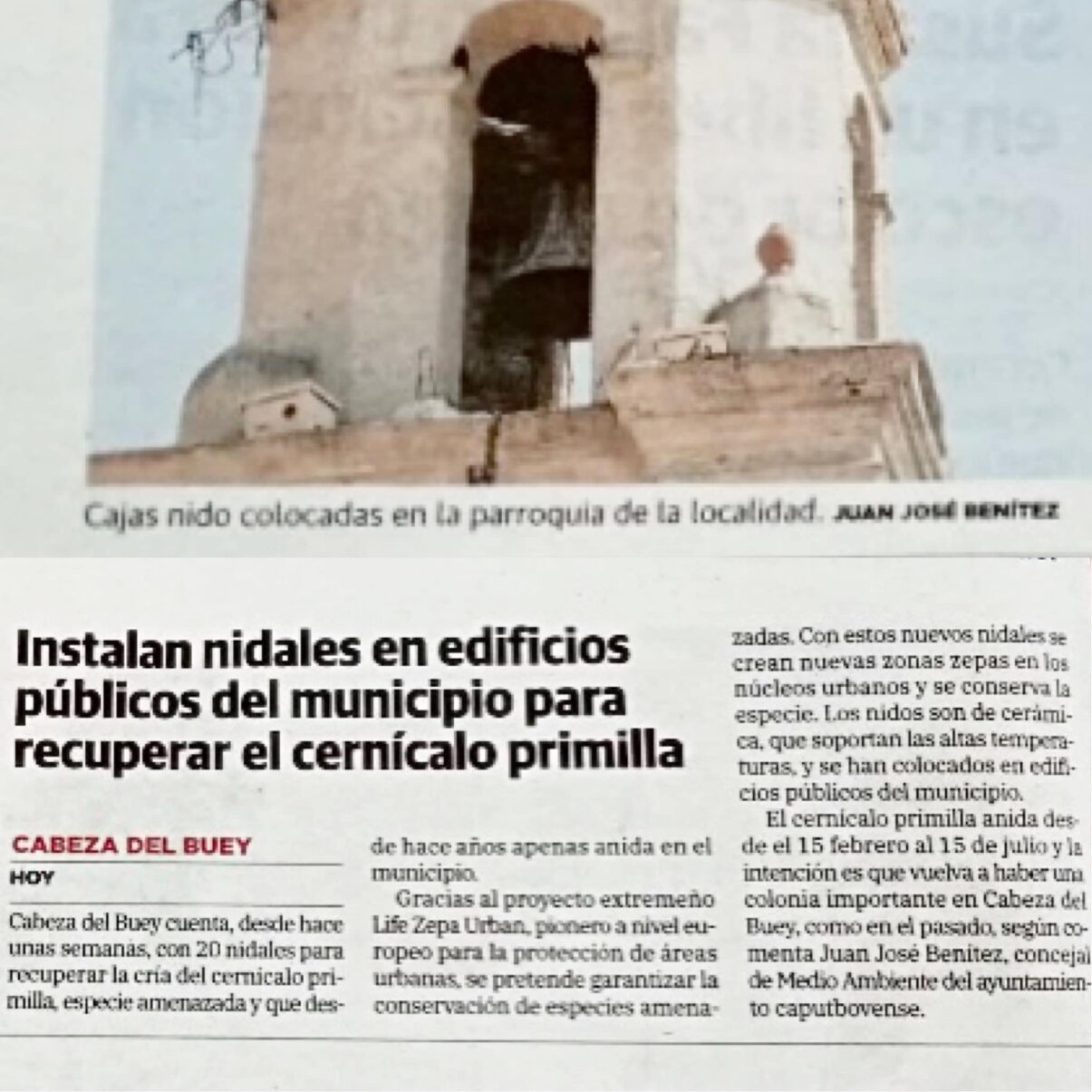
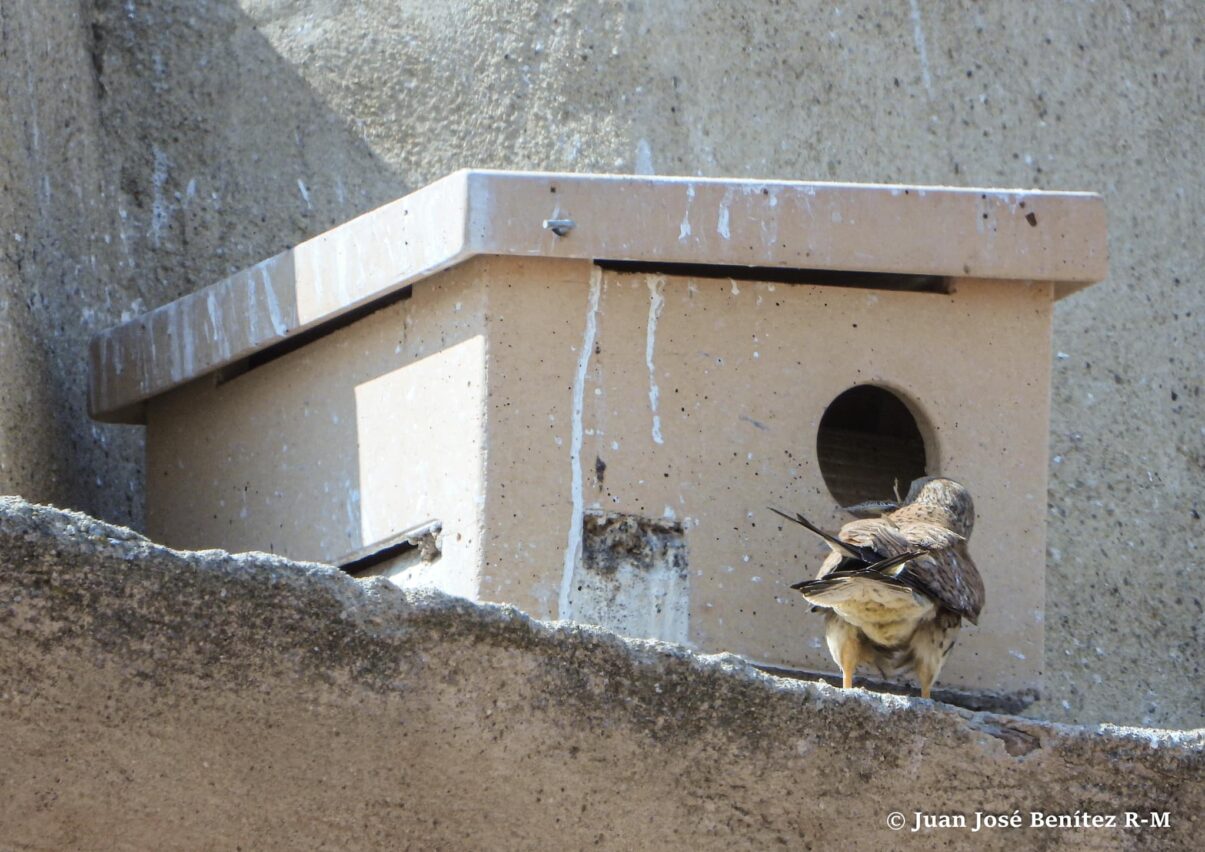
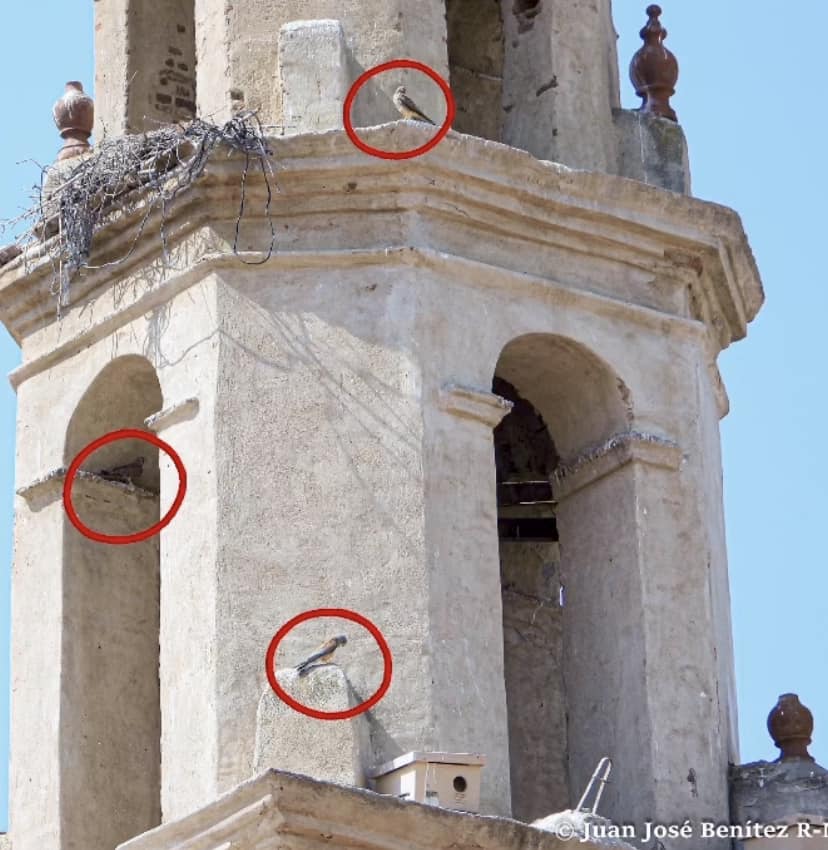
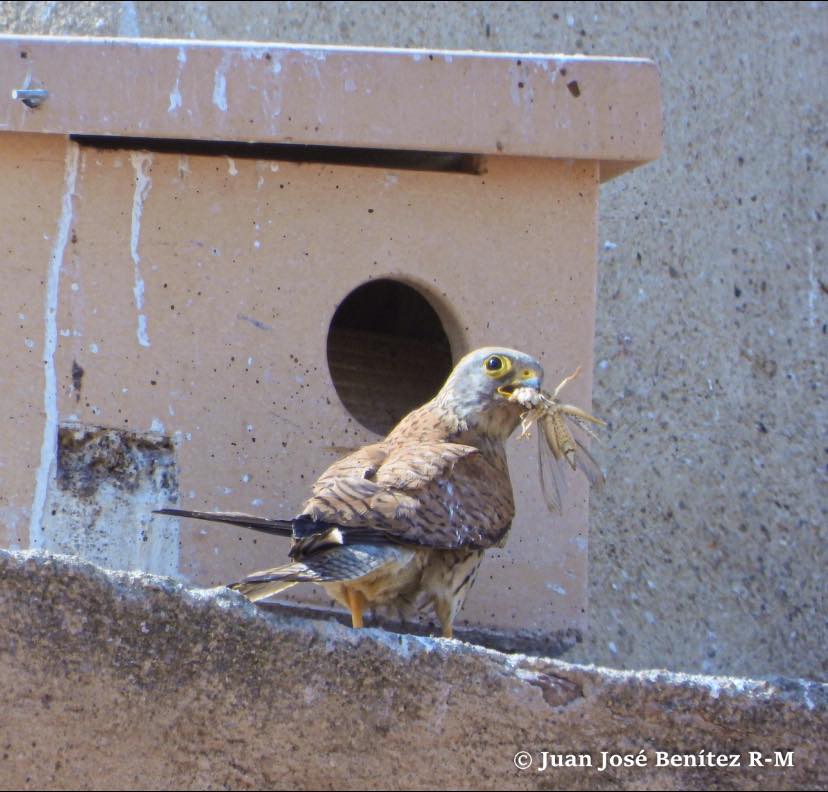
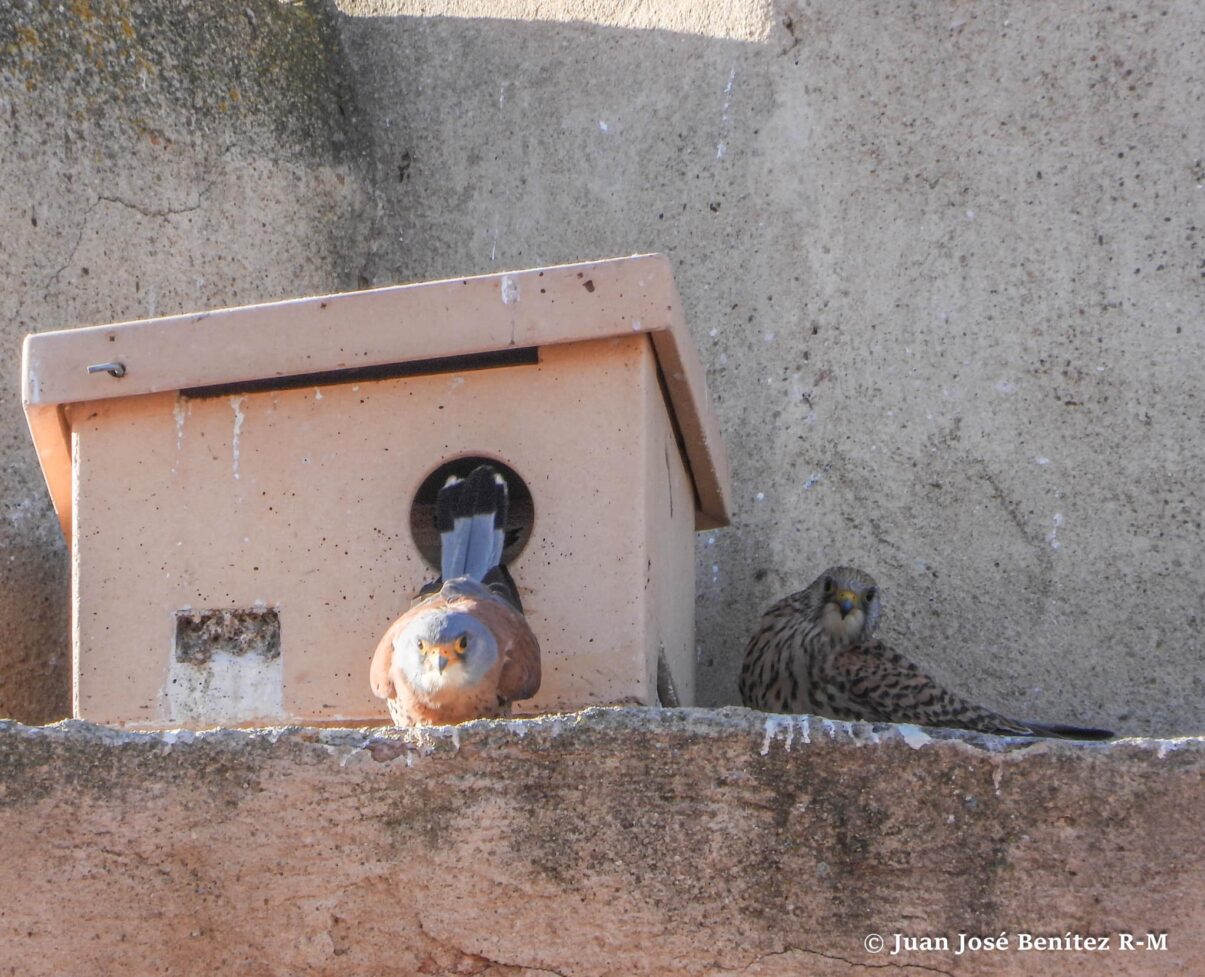
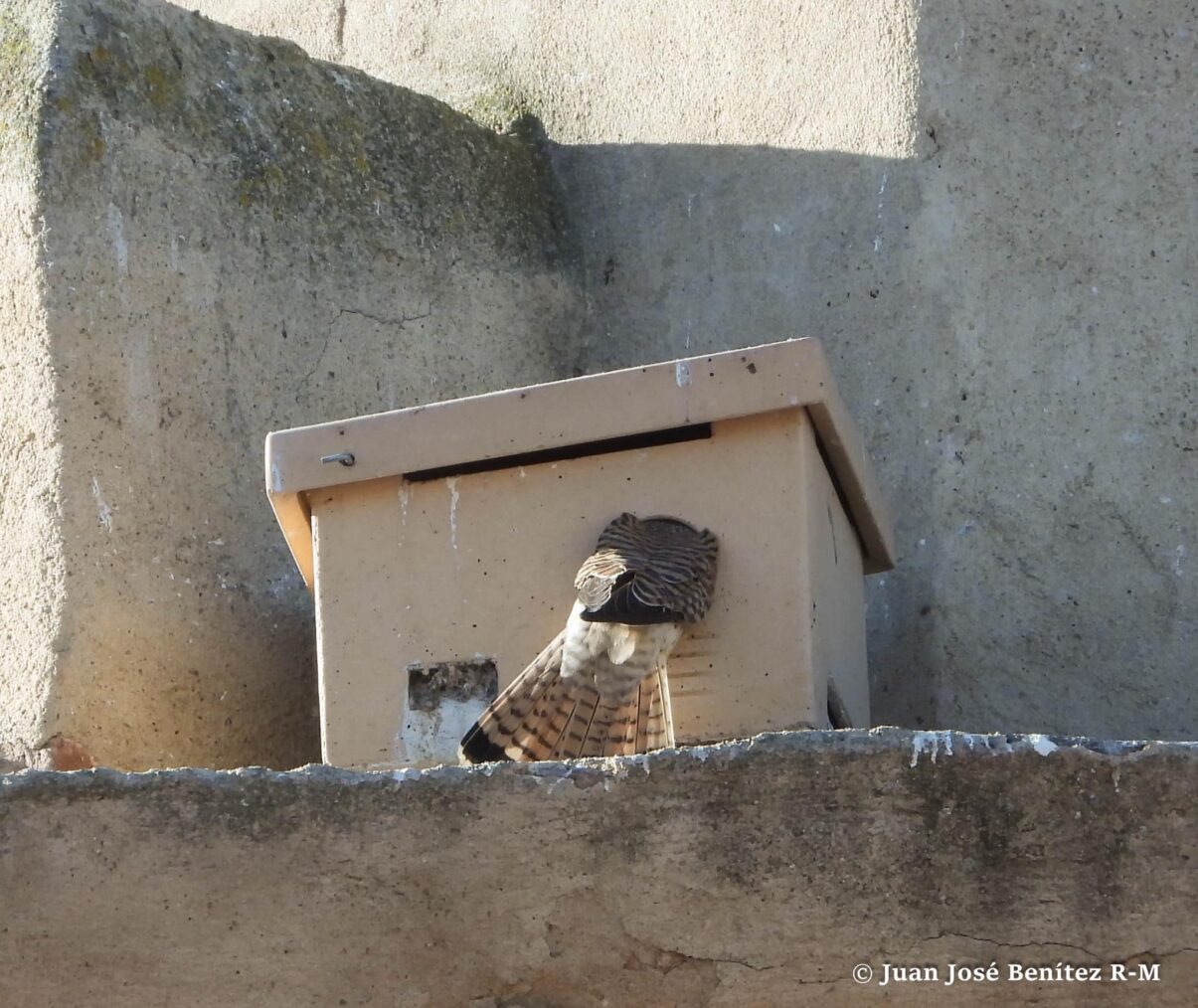
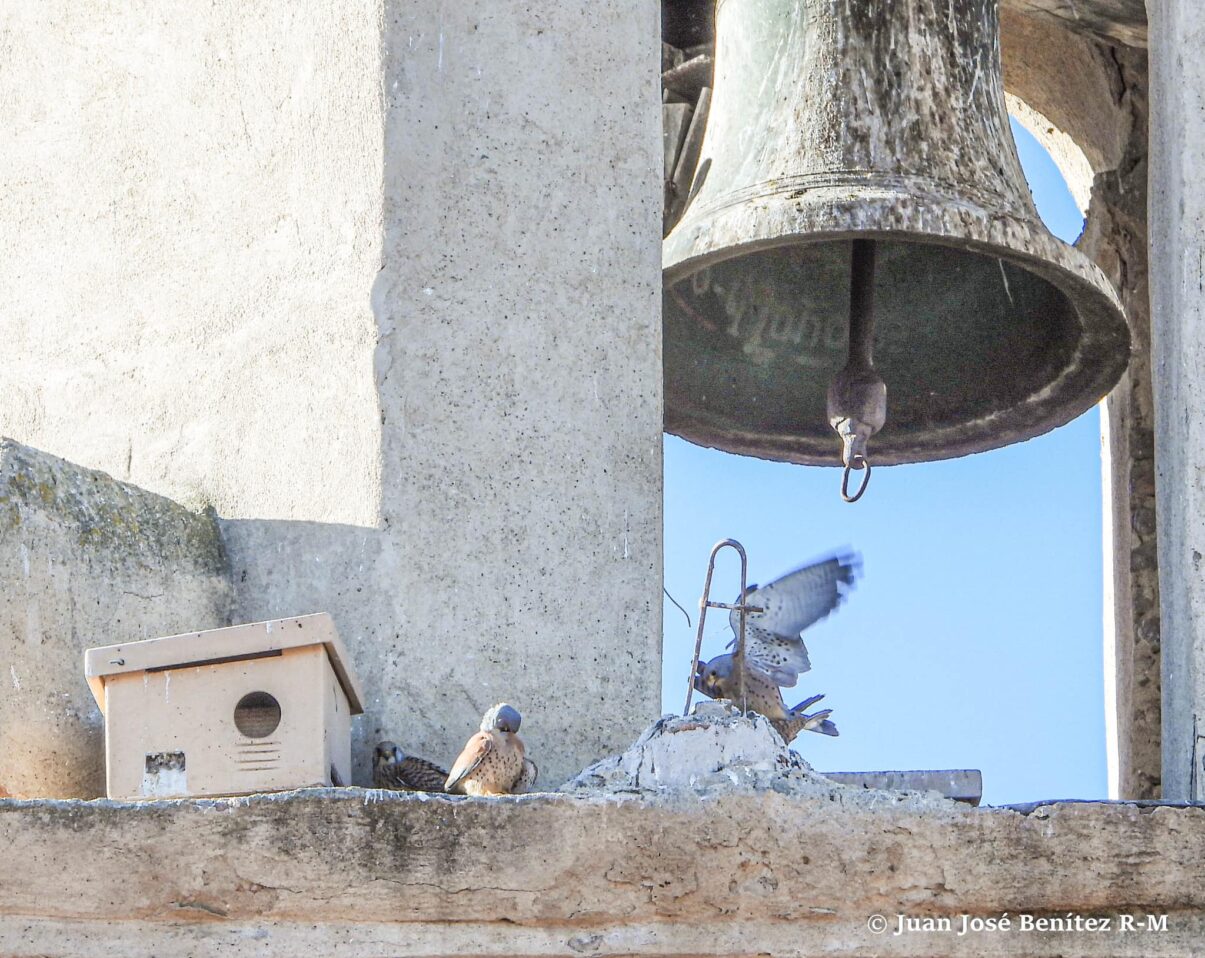
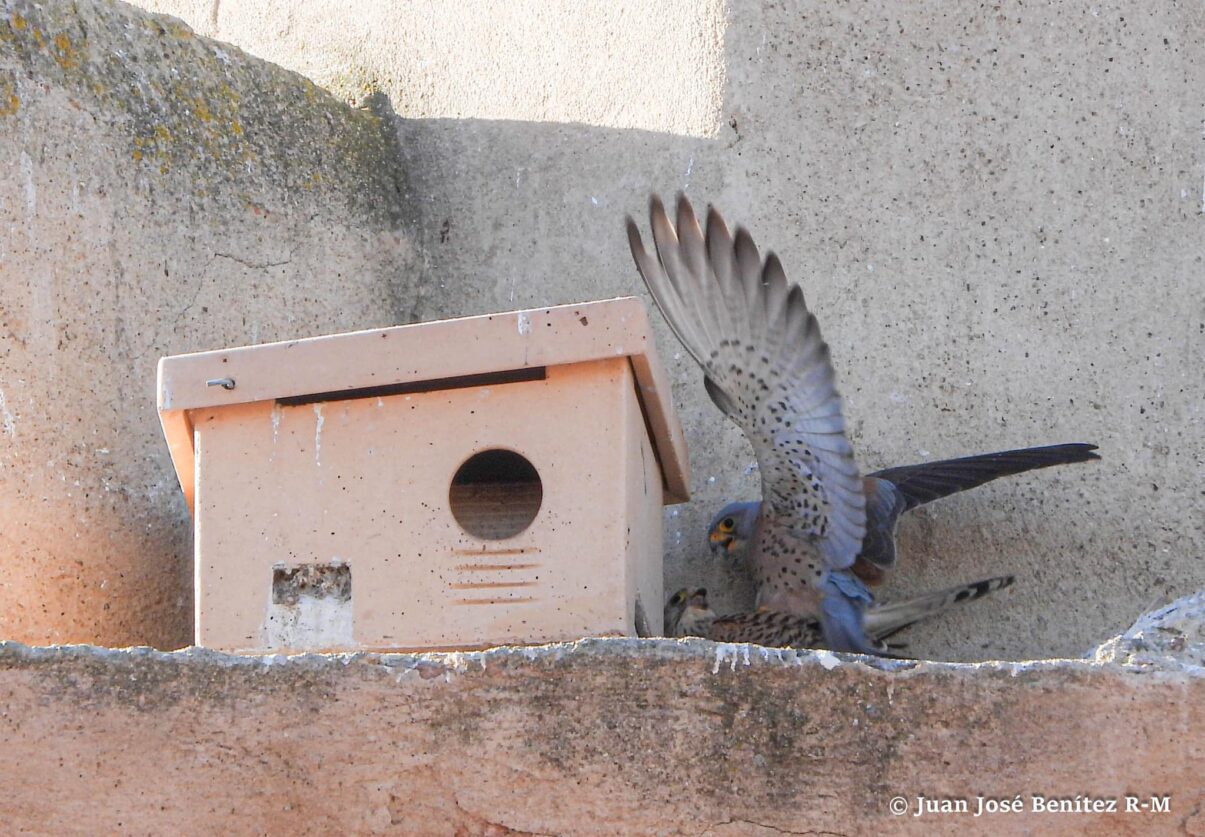
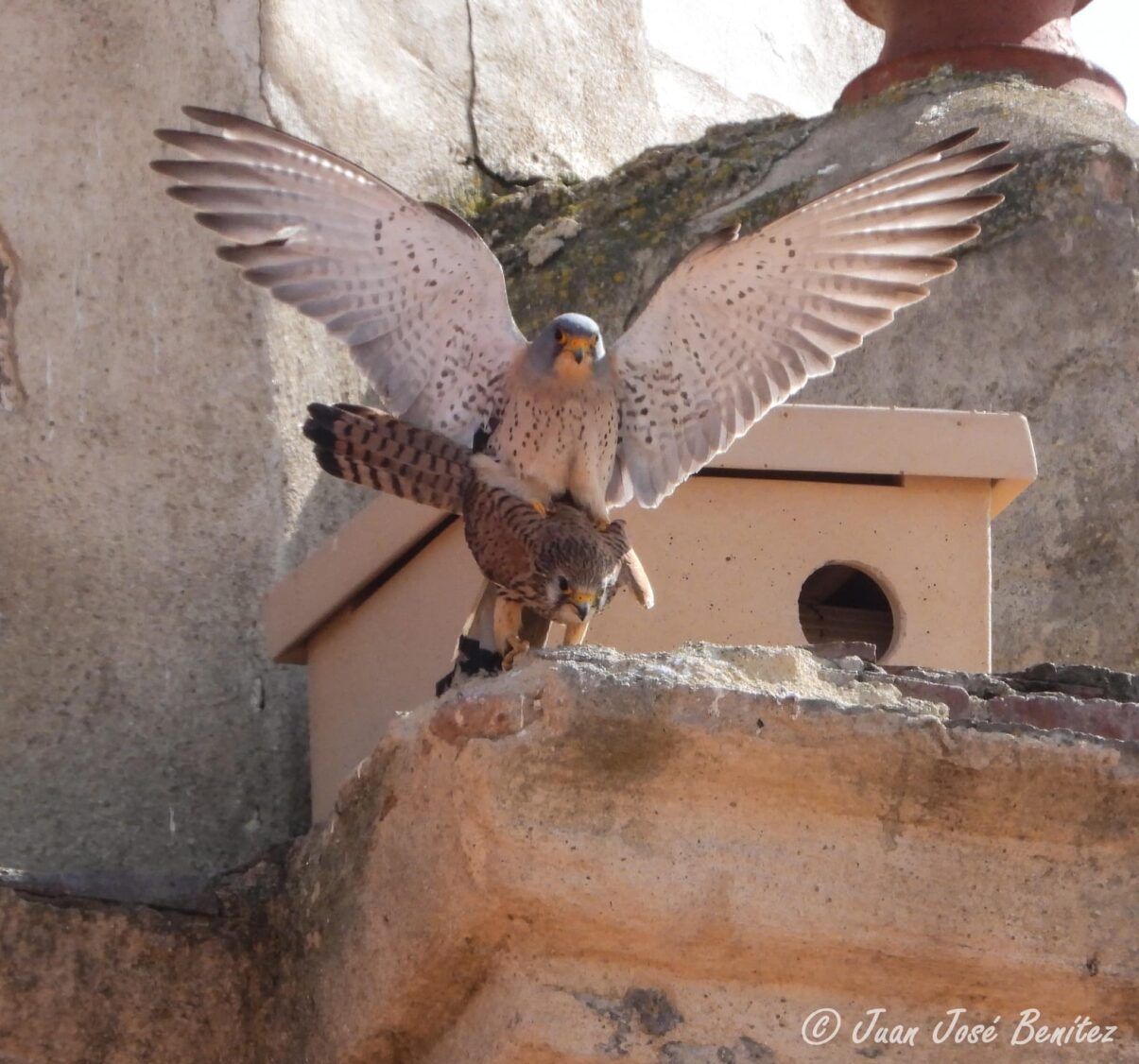
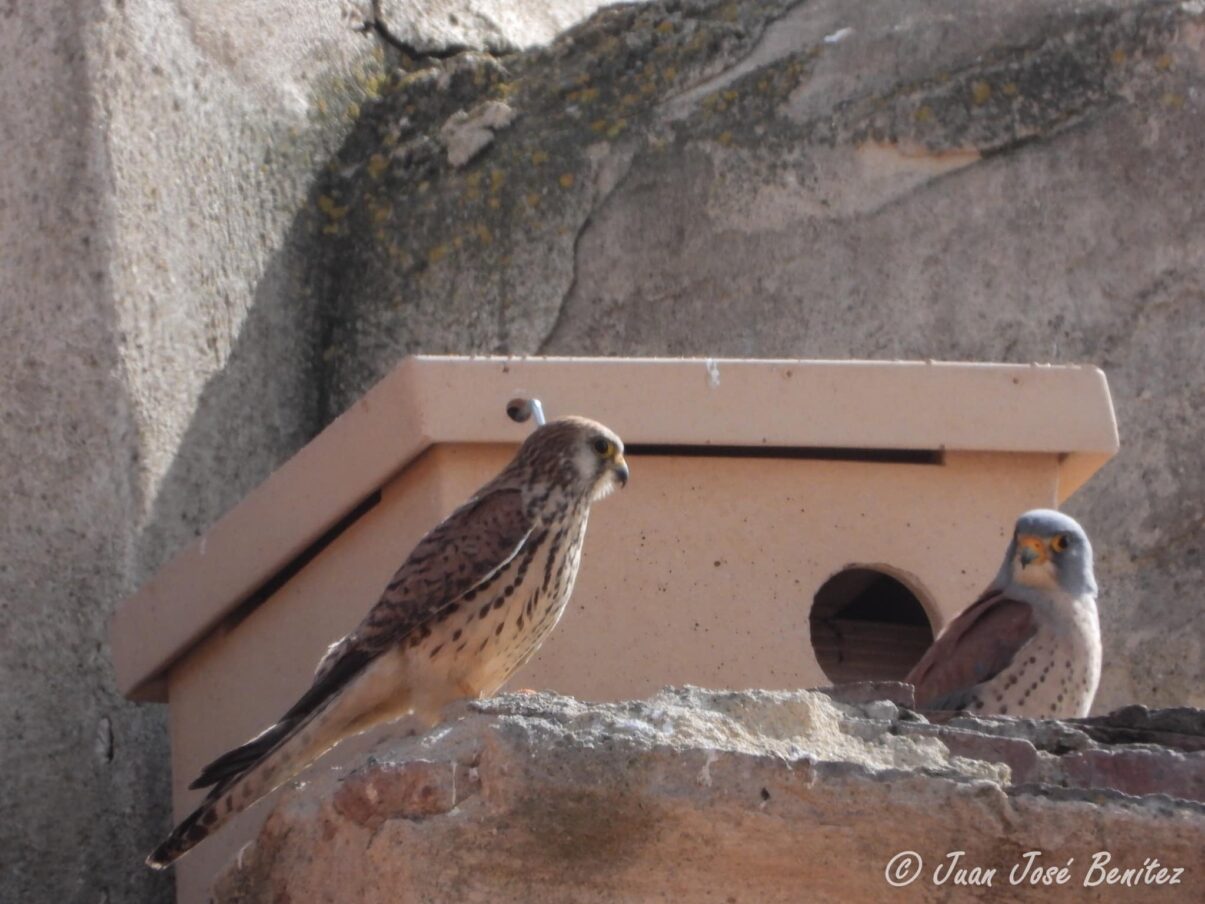
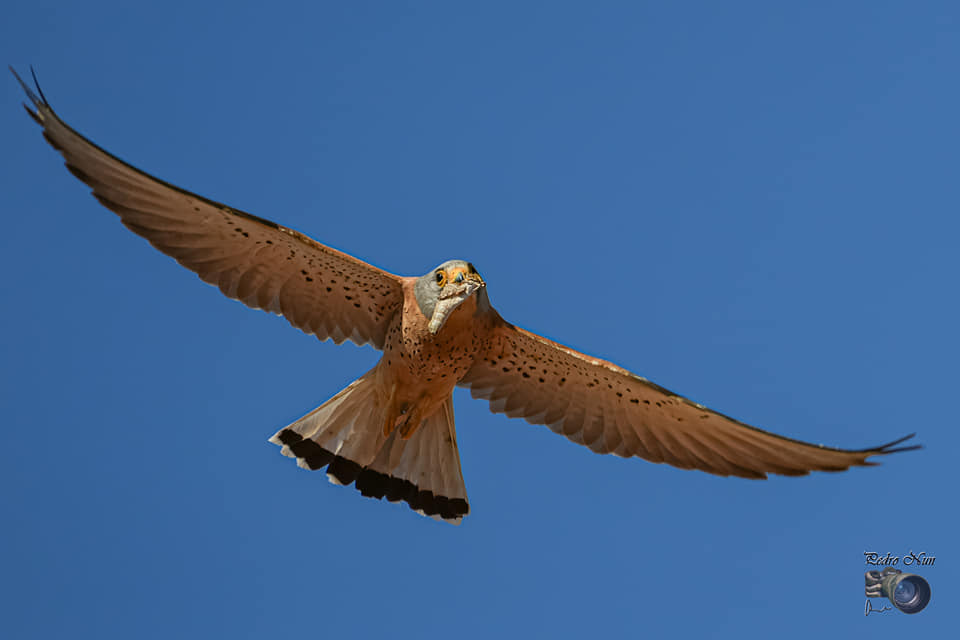
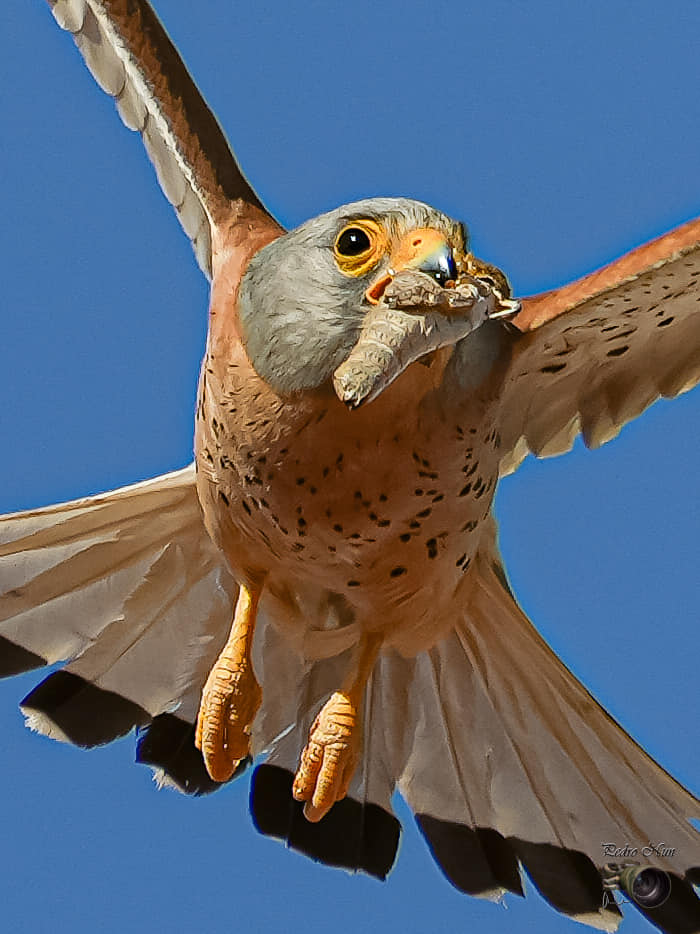
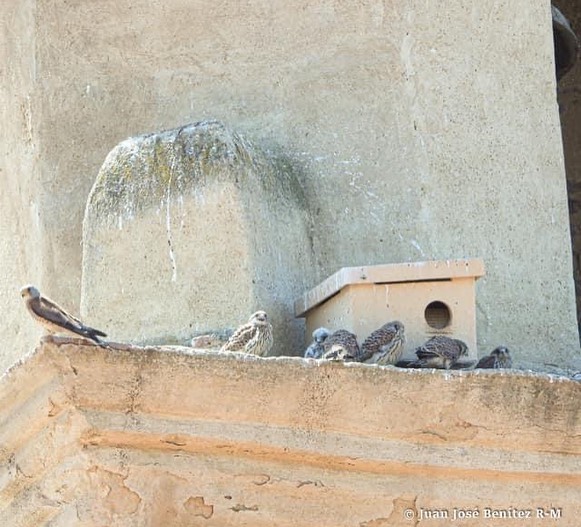
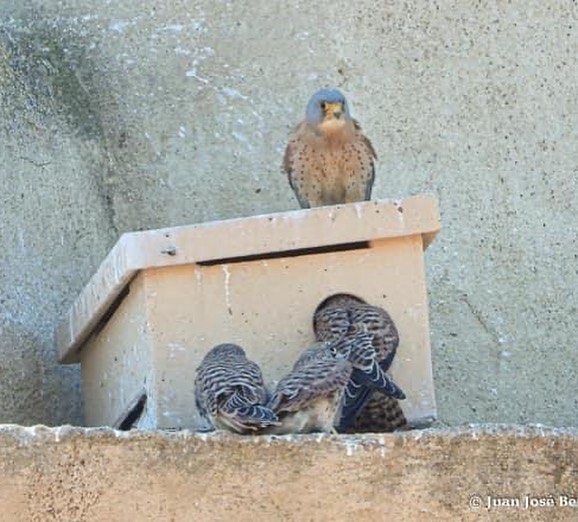
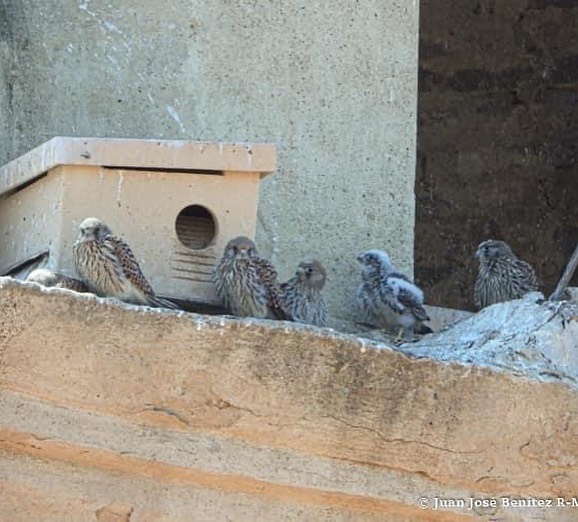
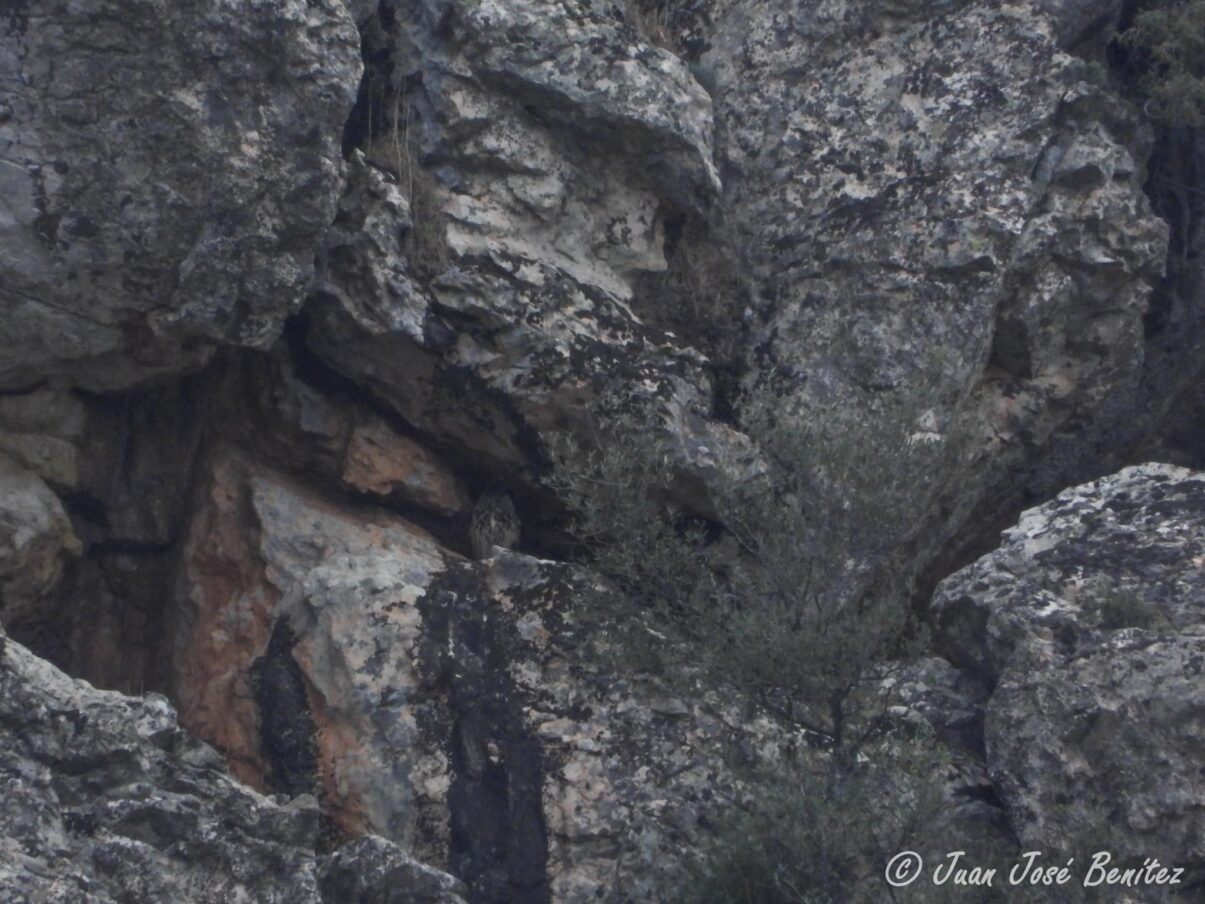
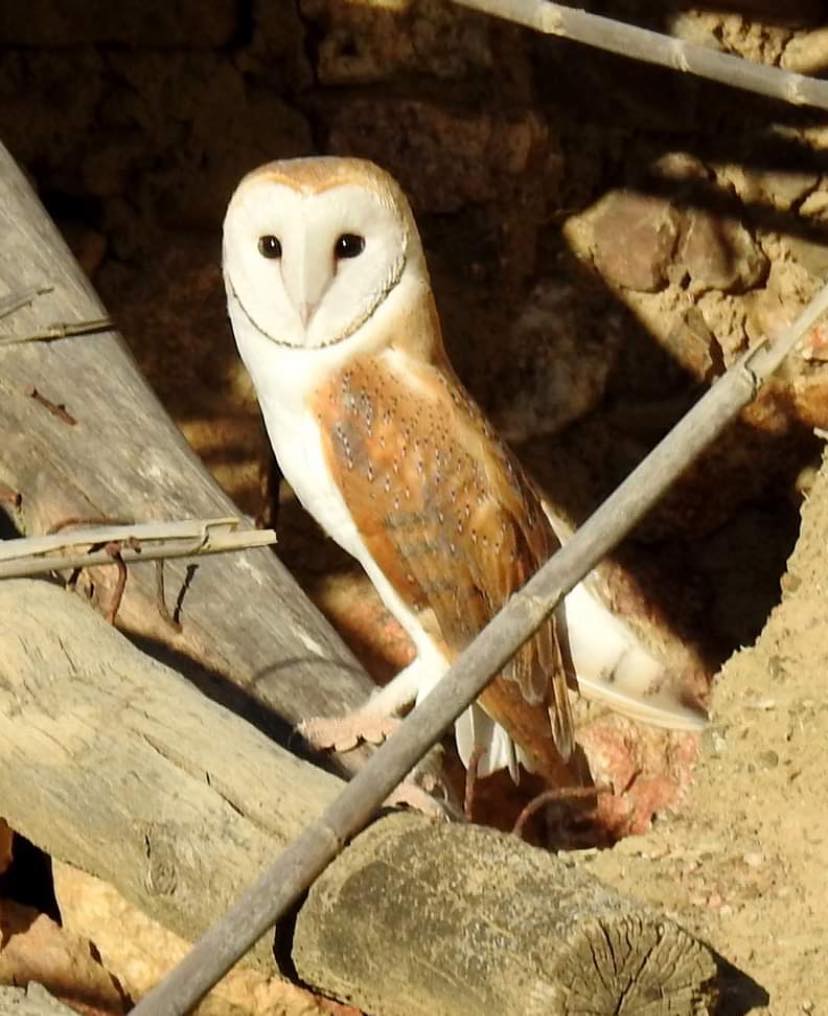
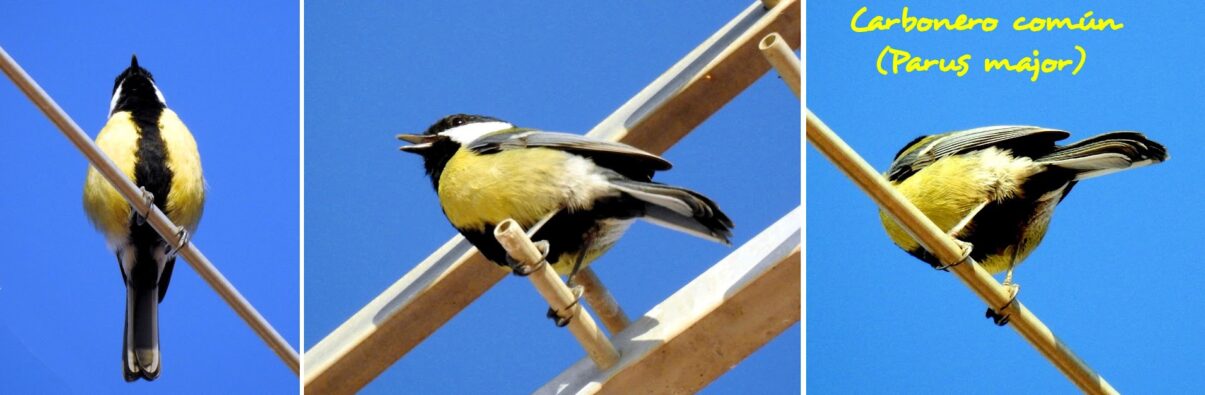
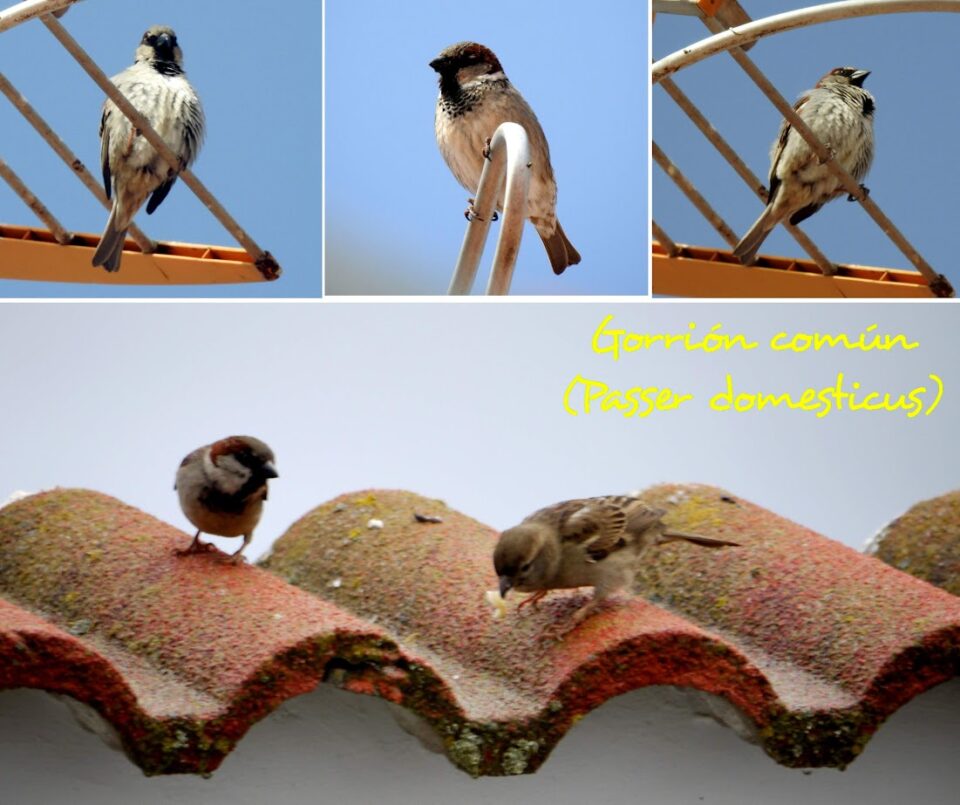
The location of the town of Cabeza del Buey makes it an interesting spot for birdwatching, as the town is situated between the Pedregoso mountain range, with its quartzite scrubland and olive groves to the south, the pastures and the pond to the north, and the Almagrera headland and agricultural and livestock farming plains of La Serena to the west. This combination of ecosystems means that many birds reside within the town. We have resident birds such as sparrows, goldfinches, greenfinches, greenfinches, greenfinches, common planes, blackbirds, blue tits, coal tits, starlings, turtle doves or the elusive sparrowhawks. These birds accompany us all year round and bring life to the village with their songs and flights. A key place for the observation of these species is the municipal park of Cabeza del Buey, which, with its great extension, variety of trees and water sources, is an ideal place for these birds to live and we can observe them. Apart from these resident and easily visible species, we have other more discreet neighbors. One of these neighbors are the eagle owls. This large raptor is often seen and heard in the houses of our village due to the proximity of the mountains. The density of pigeons is also an attraction for these birds of the night. December, January and February are the months where these birds are more easily visible, since, due to the long duration of the night and its mating season, the “Grand Duke” can be easily seen and heard. The owl, although quieter, is often seen flying over the park, especially on summer nights. Once we have seen our resident feathered neighbors, we will introduce you to our neighbors who come to spend “seasons” in the village. In the winter months, the presence of birds is less than in the summer period. In the winter months, the goldfinches, blackcaps, the occasional chaffinch and the sociable robins that come down from northern Europe are usually seen in our village. It is in the spring-summer period, as it happens with the emigrants, when the village fills up with inhabitants. The earliest arrivals are usually the white storks. These birds, symbols of Extremadura, are absent in our town from August to February. It is in this month when the storks return to their traditional nests. Being a bird that is booming, there are real battles, with the croaking of the storks, as if it were war drums, to occupy the nests already built in previous years, as it is hard work to build these intricate structures. These large nests are a refuge for other species such as sparrows and starlings. Another neighbor that comes in March are the lesser kestrels. These small falcons fill the old town with sound and aerial acrobatics. This species in the 2010s suffered a great decline due to the works that were undertaken in the parish of the town. It went from 8 to 1 pair in four years. In 2020, the town council of Cabeza del Buey, together with the Life Zepa Urban project, put 16 nest boxes for this species. In four years it has gone from 1 to 12 pairs only in the parish, extending the colony to annexed buildings.
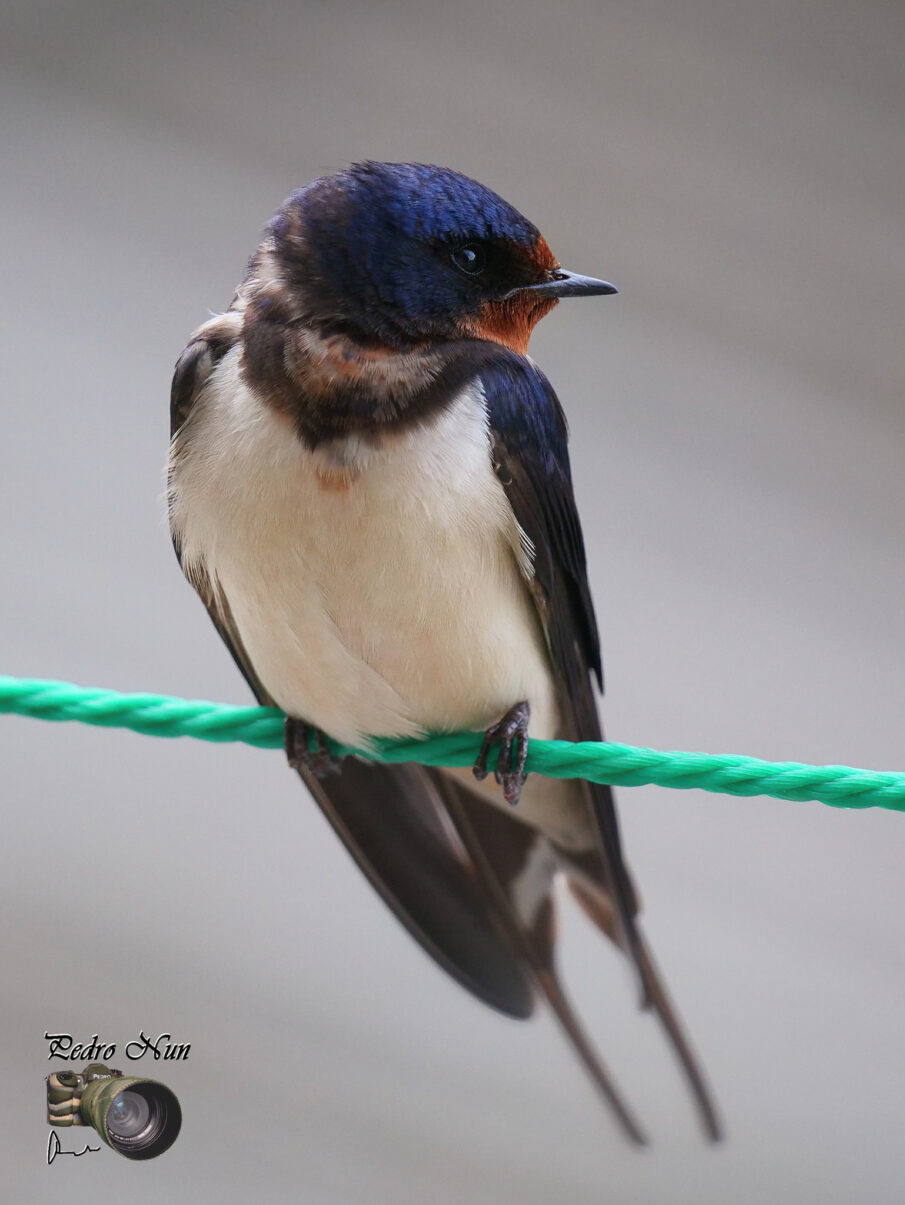
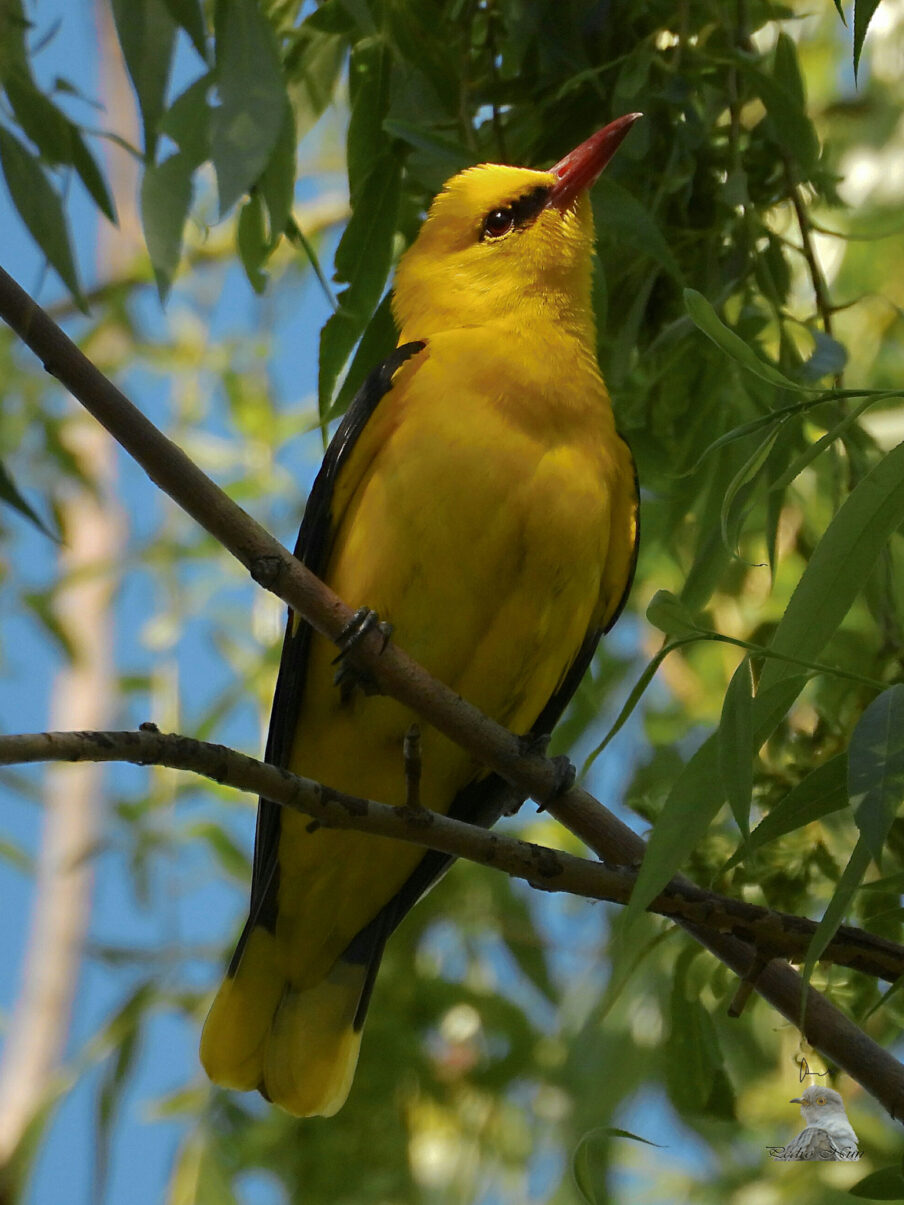
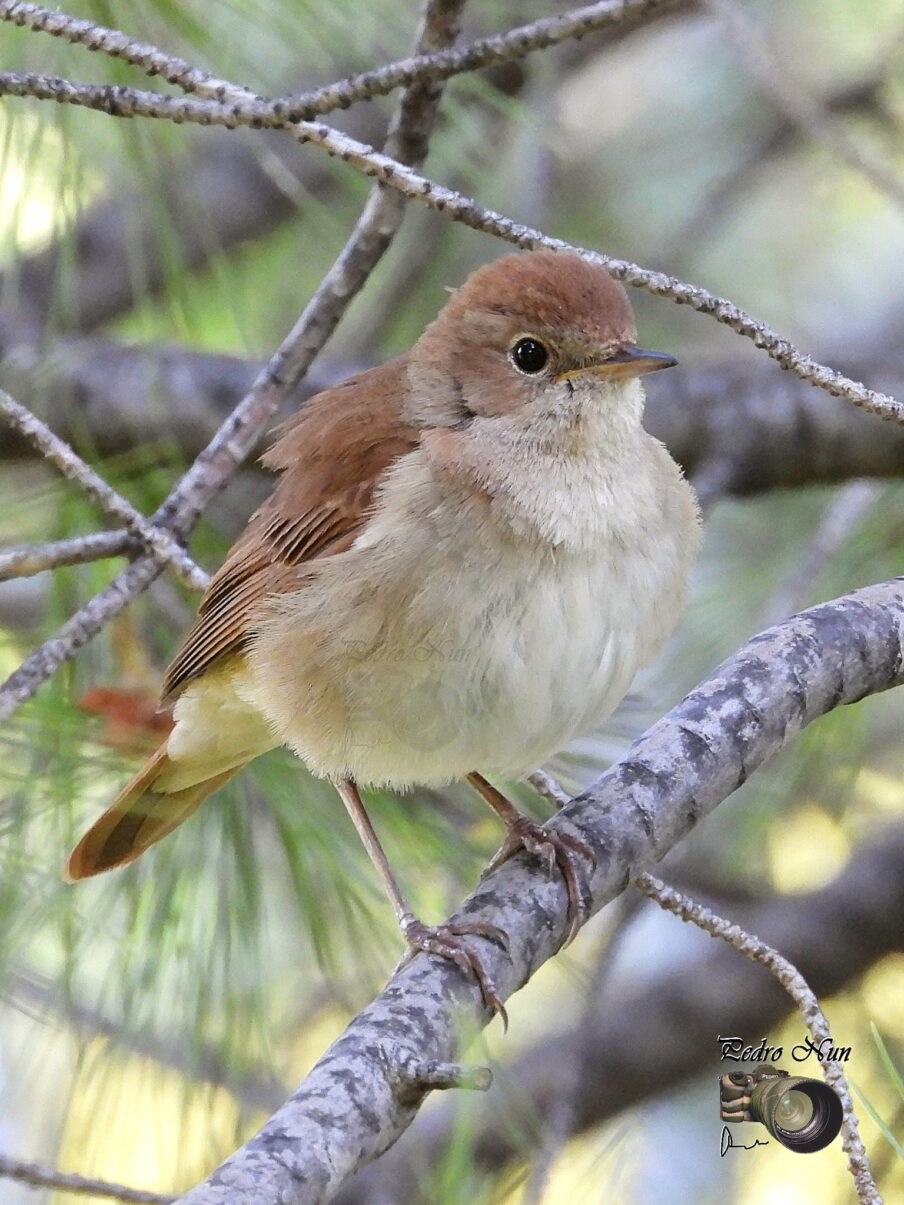
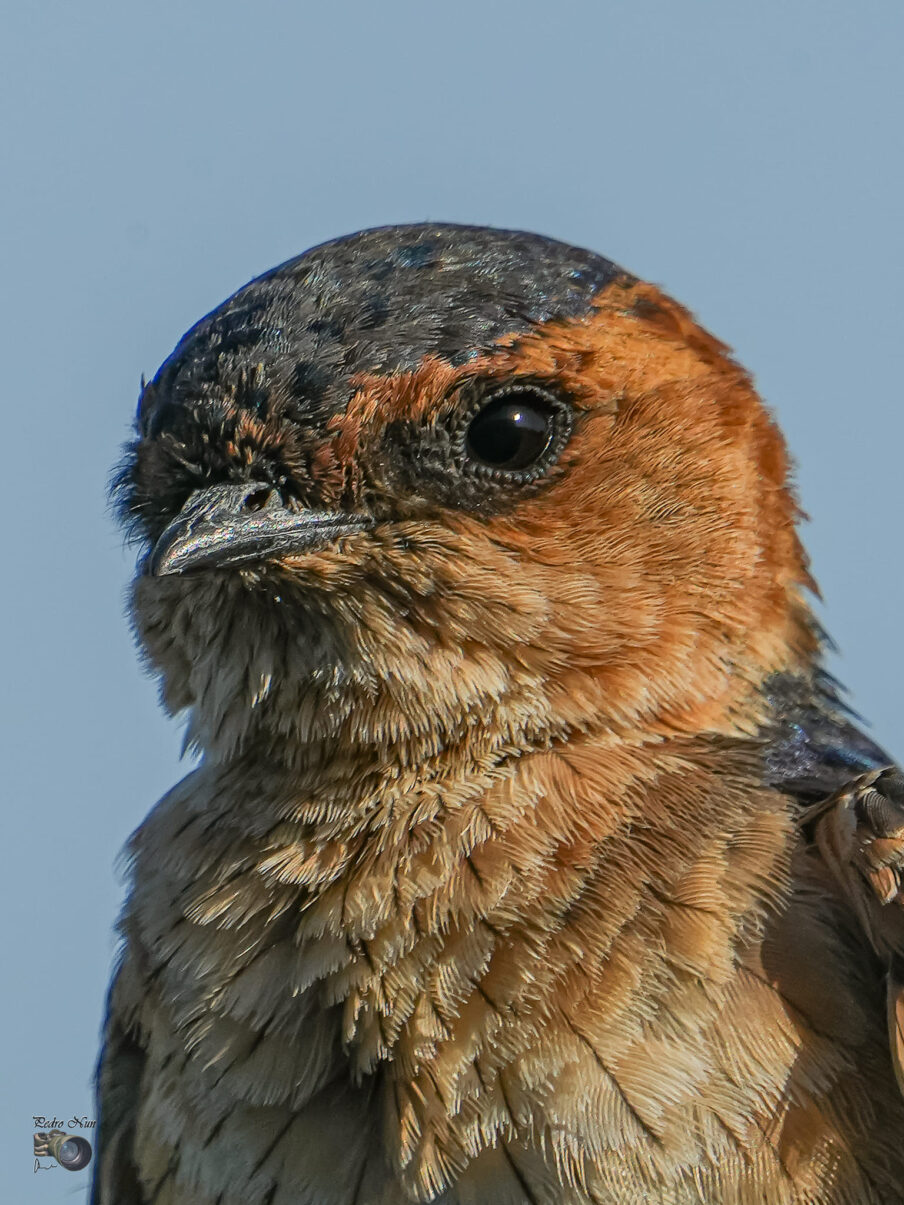
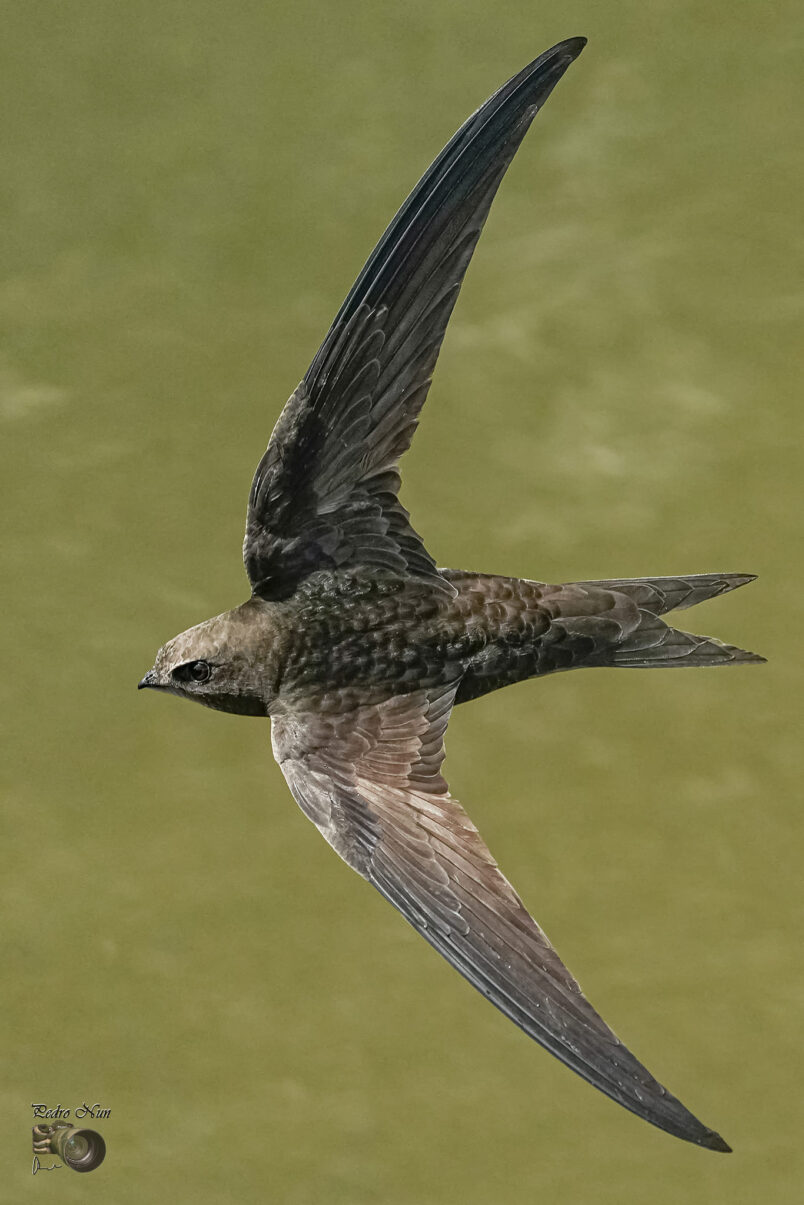
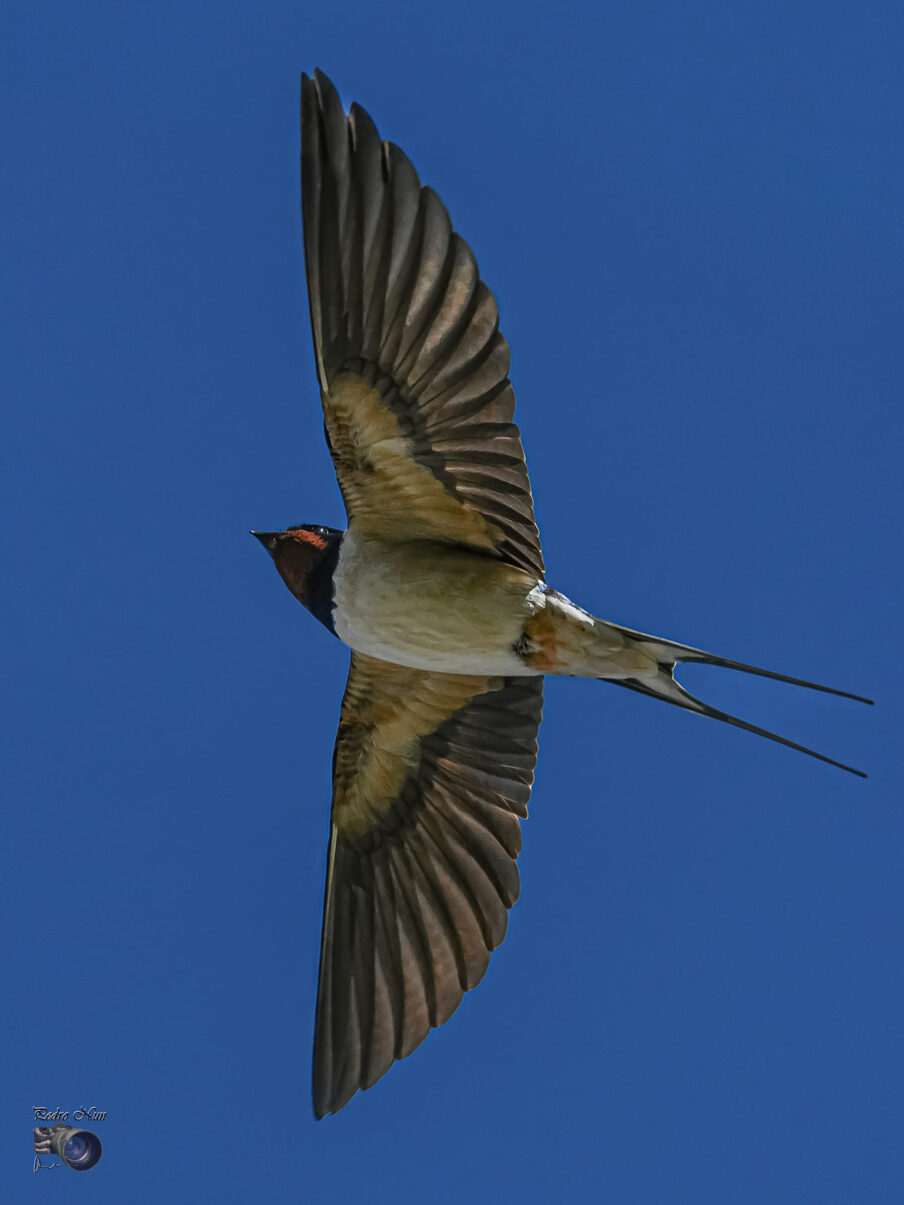
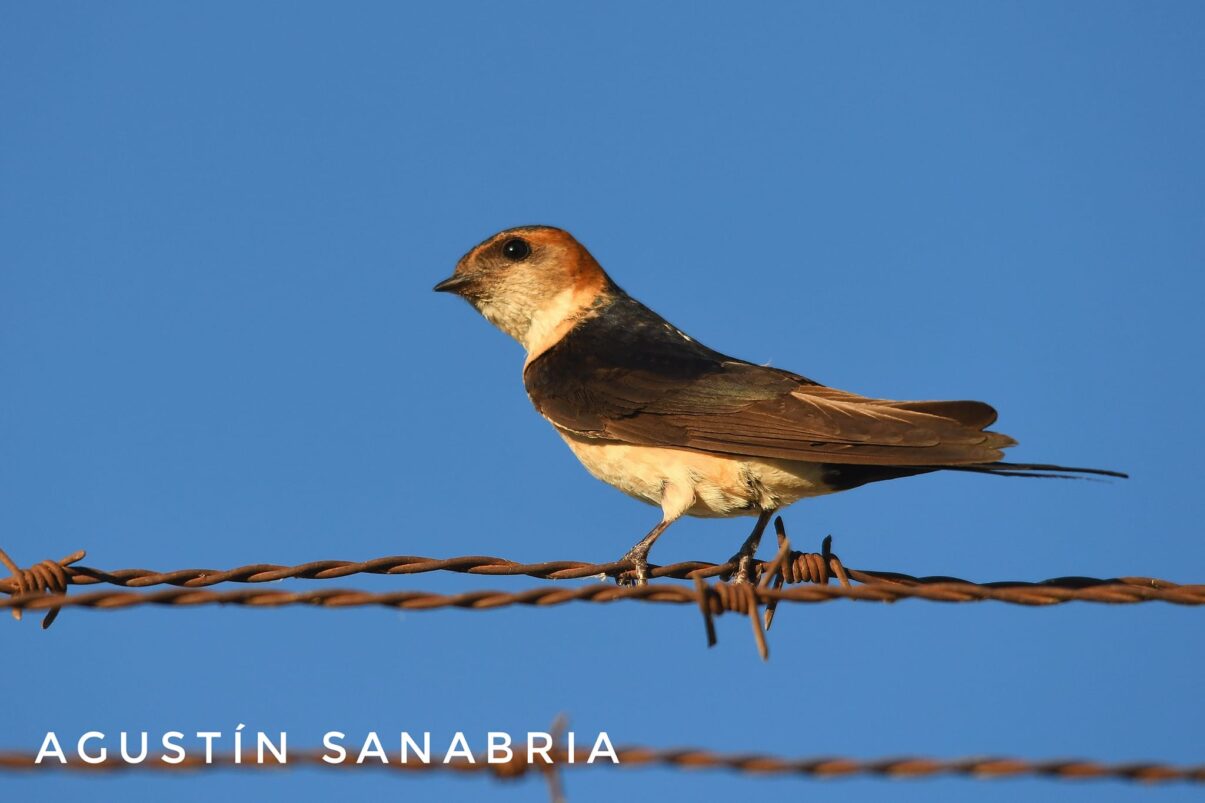
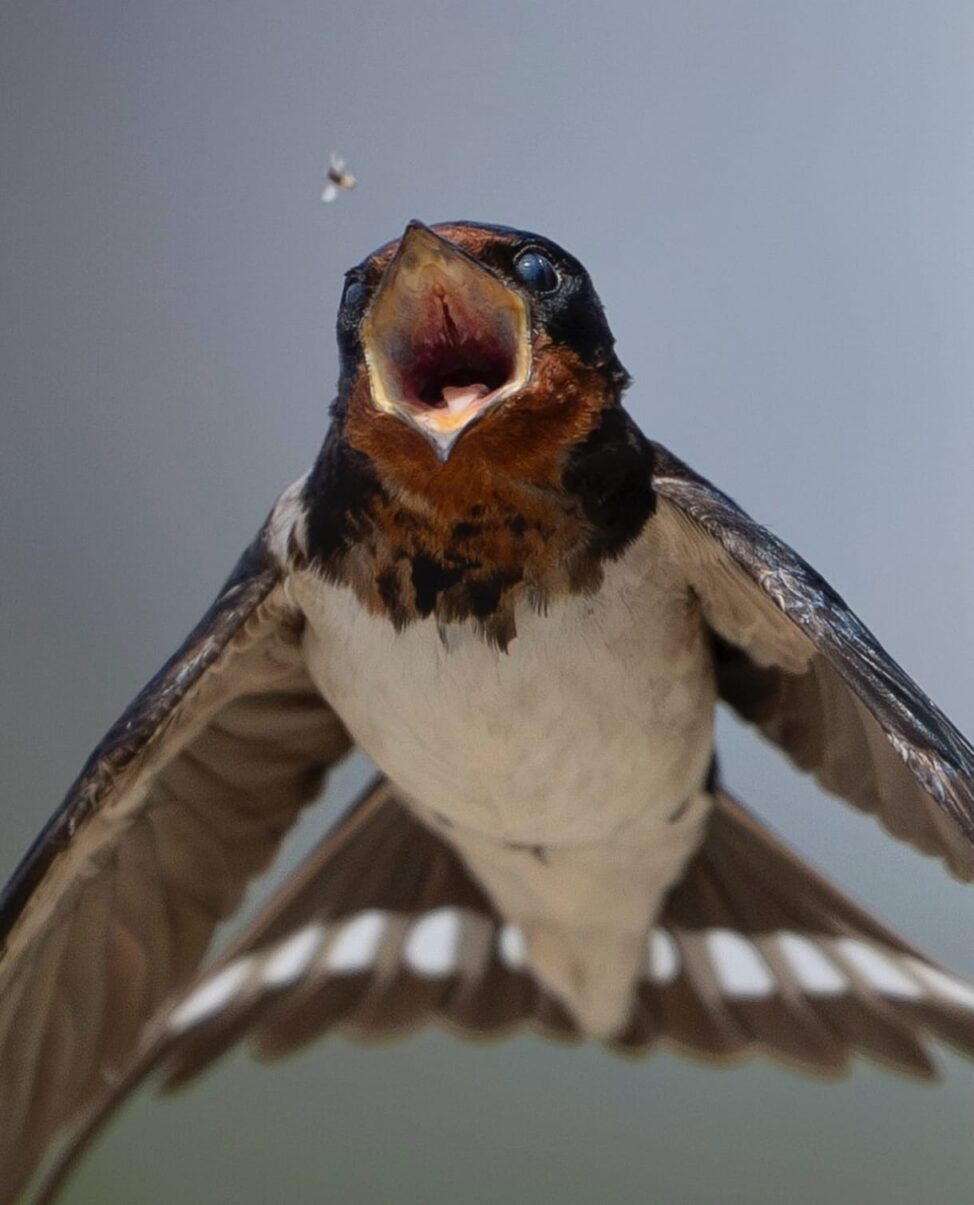
These graceful neighbors are an aid to farmers and ranchers in controlling pests of locusts, voles and mice, as well as starlings and sparrows. In spring, the resident planes are joined by their relatives, swifts, swallows and swallows, for races and chases through the streets and skies of our town. These species are a great ally for the neighbors, as they consume a large number of insects per day. To this soundtrack that occurs in spring with goldfinches, greenfinches, greenfinches, kestrels, swifts and swallows, but it is not until April when the real vocalist and lead singer of spring-summer in Cabeza del Buey comes, we are not talking about another bird but the common nightingale. This bird that spends the winter in Africa is very faithful to its breeding sites, so we can hear the males singing in the same locations every year. They can be heard in the park, the swimming pool, the walk to the polygon or near Plena Inclusion. Other species that pass through Cabeza del Buey are flycatchers, musical and European gnatcatchers, oropendolas, thrushes and the occasional scops owl. In addition to these species, from the park you can observe species that live in the mountains and go to the plains to feed, such as Egyptian vultures, griffon vultures, black vultures, golden eagles, Bonelli’s eagles and black storks. In winter you can also see large groups of migrating cranes.
Este sitio web utiliza cookies para mejorar su experiencia mientras navega por el sitio web. De estas, las cookies que se clasifican como necesarias se almacenan en su navegador, ya que son esenciales para el funcionamiento de las funcionalidades básicas del sitio web. También utilizamos cookies de terceros que nos ayudan a analizar y comprender cómo utiliza este sitio web. Estas cookies se almacenarán en su navegador solo con su consentimiento. También tiene la opción de rechazar estas cookies. Pero la exclusión voluntaria de algunas de estas cookies puede afectar su experiencia de navegación.| Cookie | Duration | Description |
|---|---|---|
| cookielawinfo-checkbox-analytics | 11 months | This cookie is set by GDPR Cookie Consent plugin. The cookie is used to store the user consent for the cookies in the category "Analytics". |
| cookielawinfo-checkbox-functional | 11 months | The cookie is set by GDPR cookie consent to record the user consent for the cookies in the category "Functional". |
| cookielawinfo-checkbox-necessary | 11 months | This cookie is set by GDPR Cookie Consent plugin. The cookies is used to store the user consent for the cookies in the category "Necessary". |
| cookielawinfo-checkbox-others | 11 months | This cookie is set by GDPR Cookie Consent plugin. The cookie is used to store the user consent for the cookies in the category "Other. |
| cookielawinfo-checkbox-performance | 11 months | This cookie is set by GDPR Cookie Consent plugin. The cookie is used to store the user consent for the cookies in the category "Performance". |
| viewed_cookie_policy | 11 months | The cookie is set by the GDPR Cookie Consent plugin and is used to store whether or not user has consented to the use of cookies. It does not store any personal data. |