
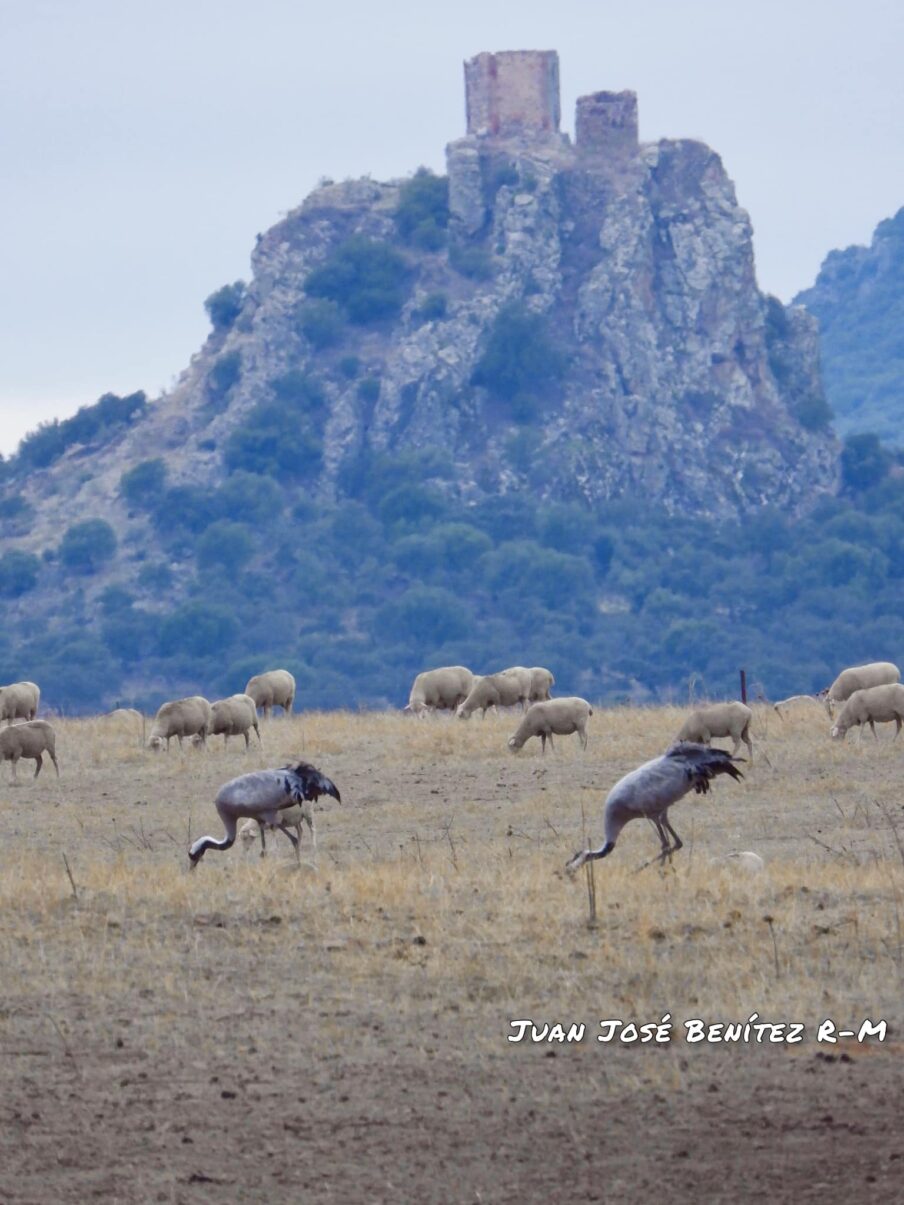
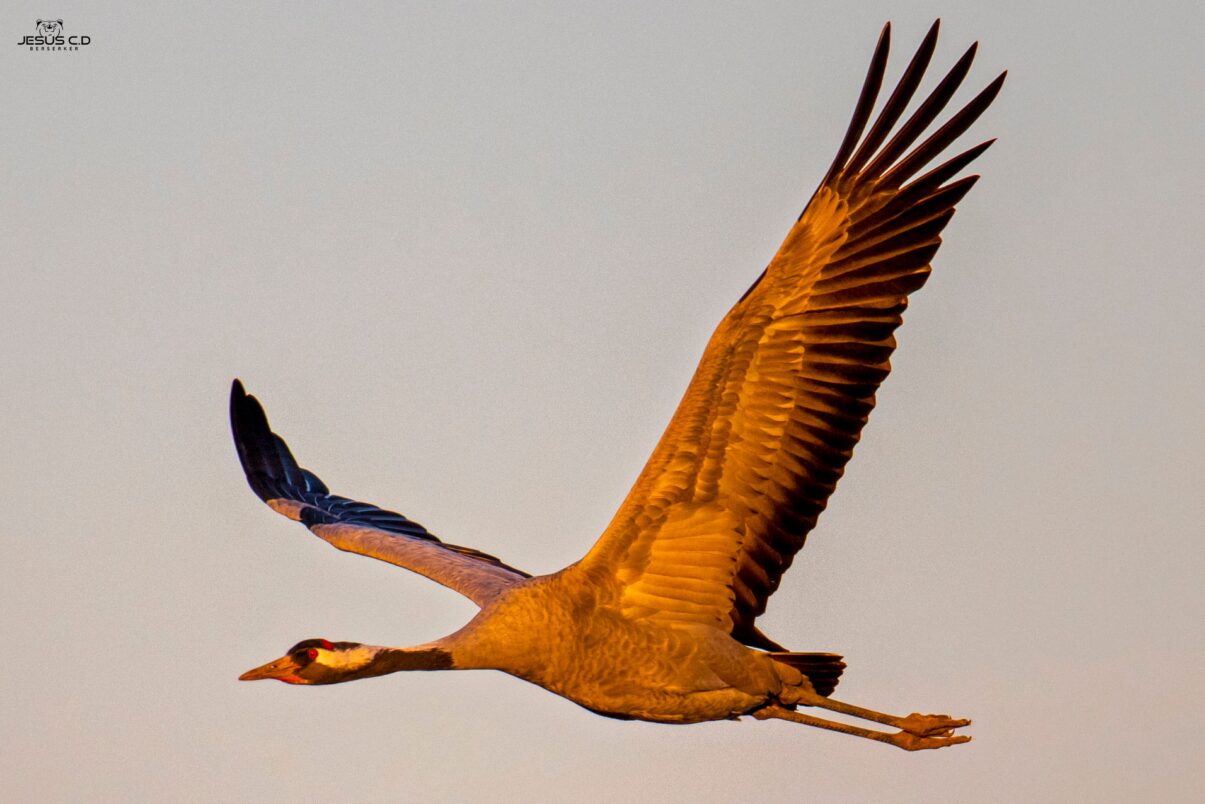
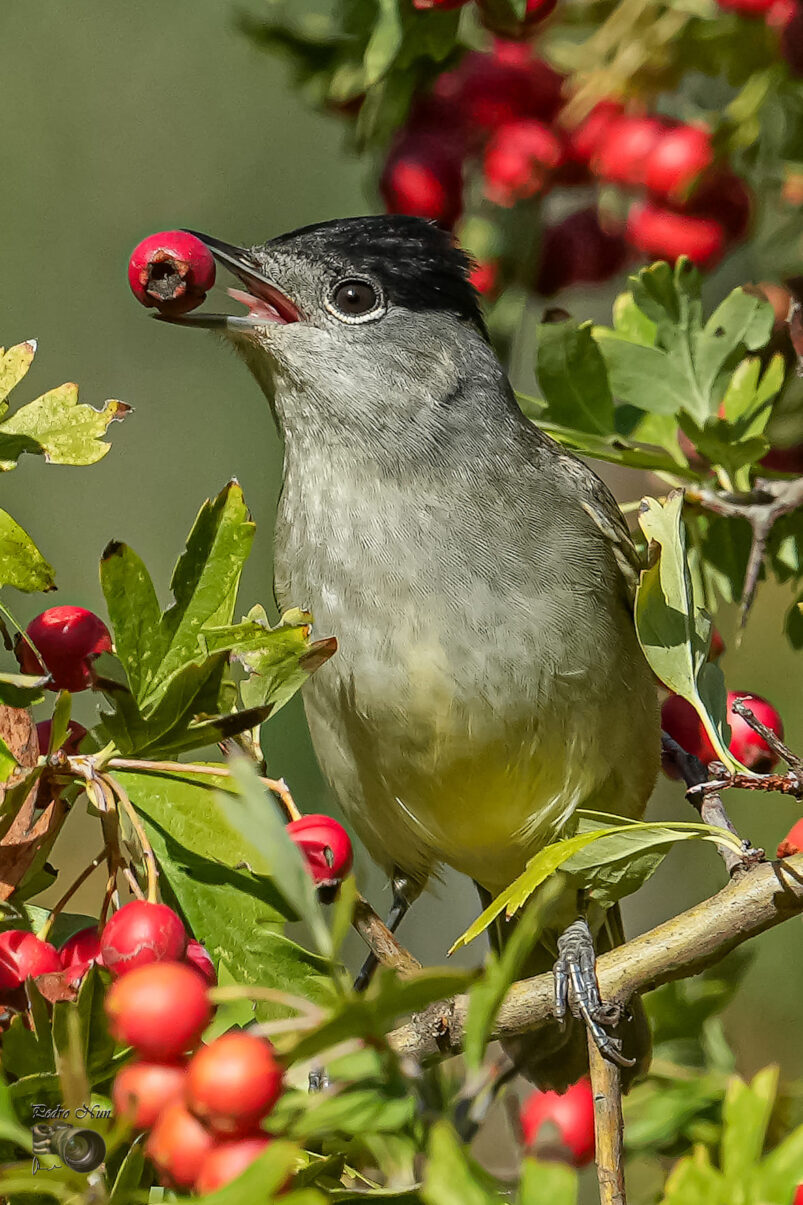
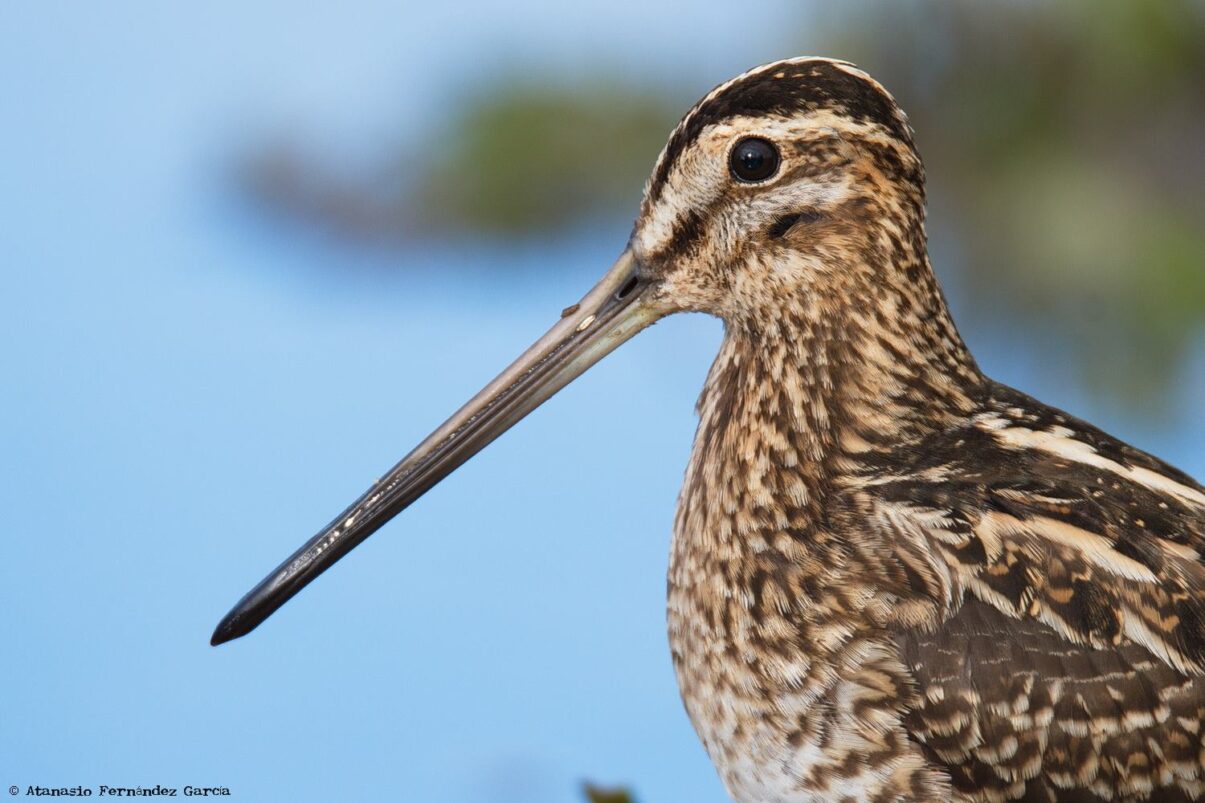
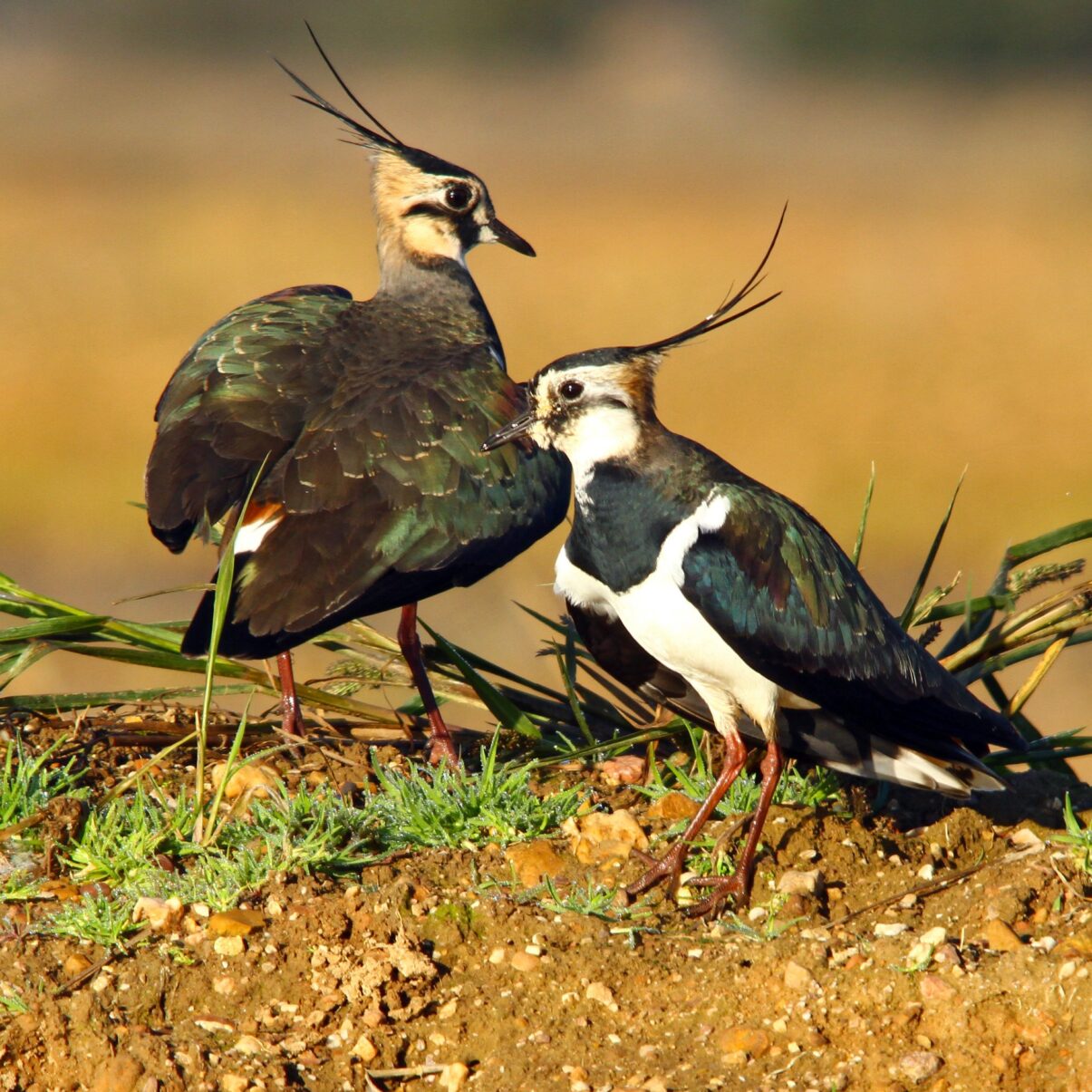
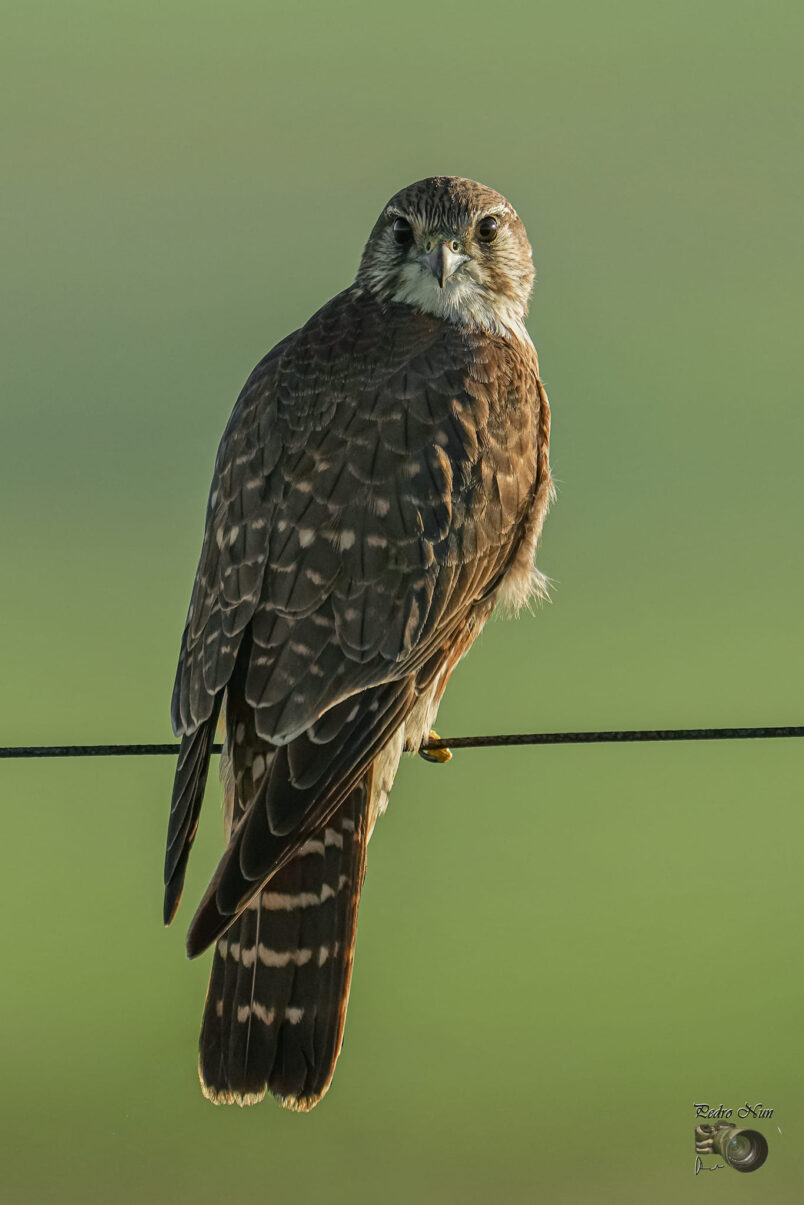
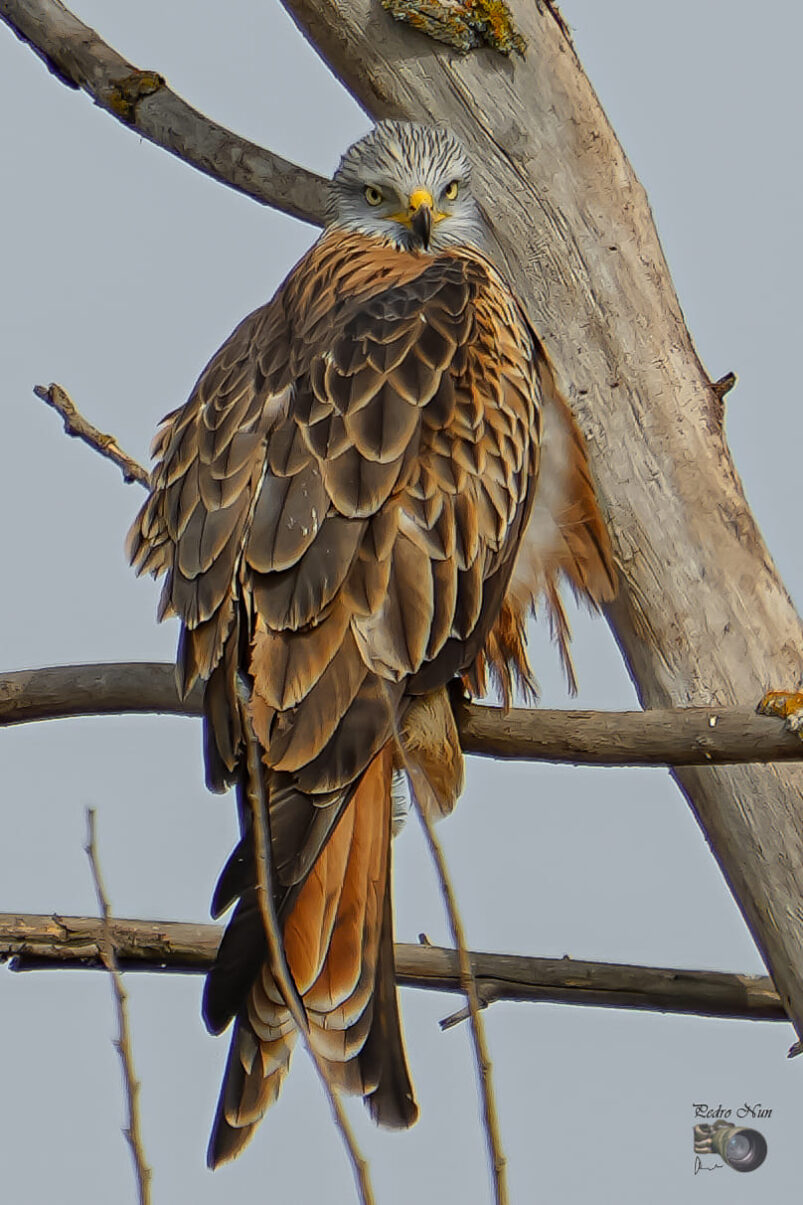
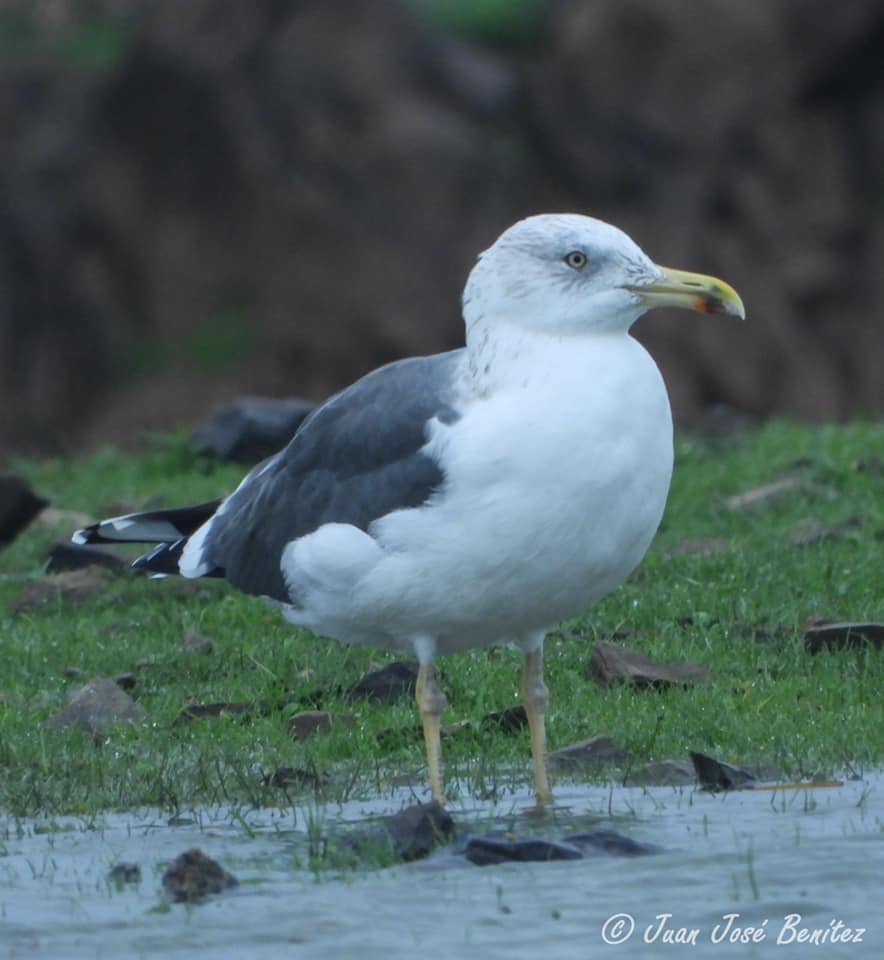
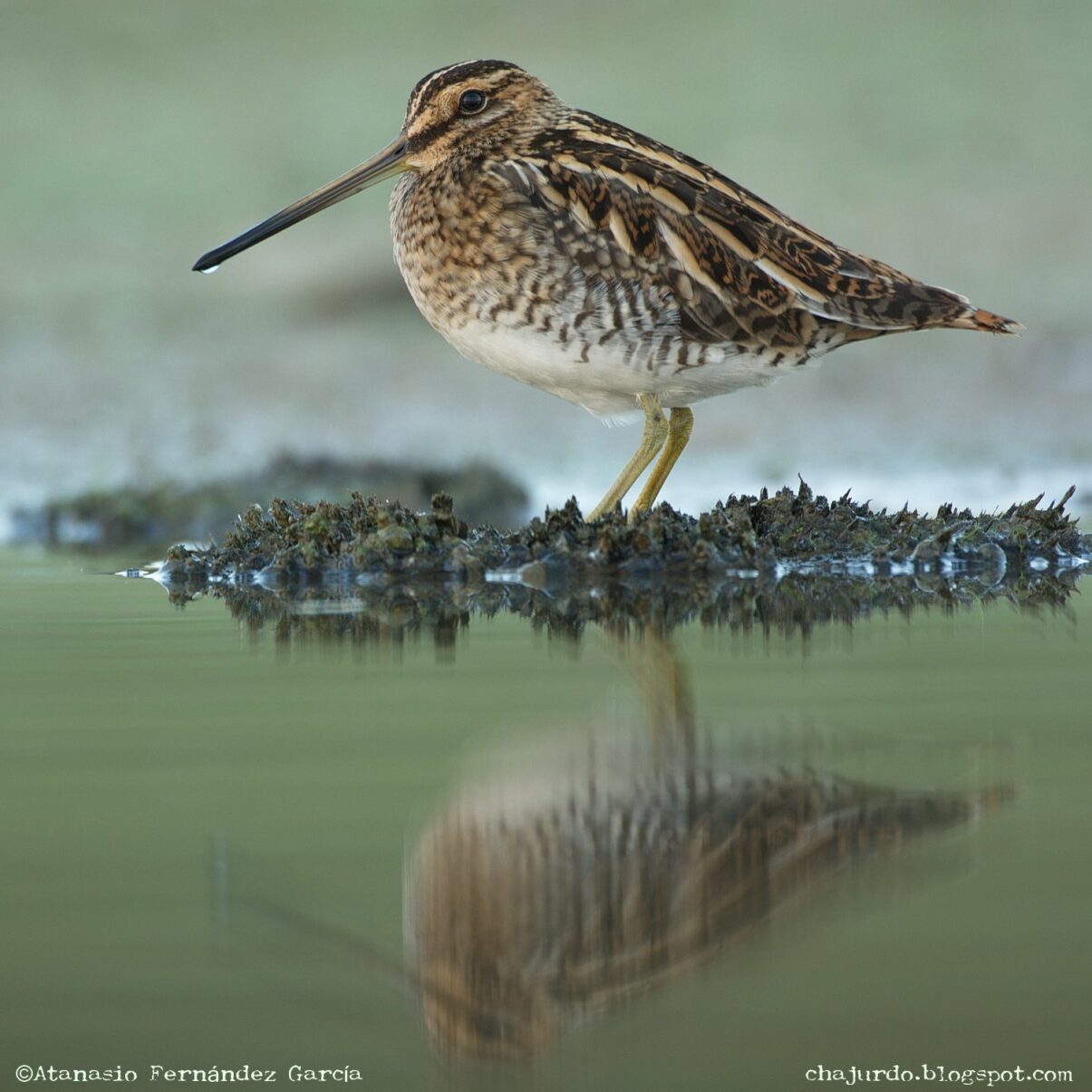
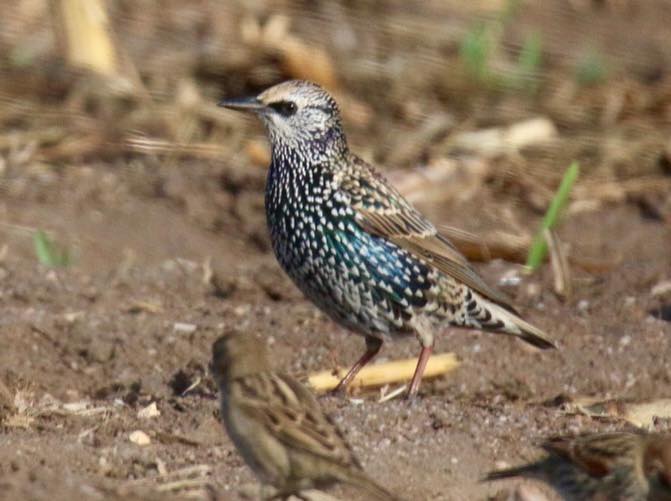
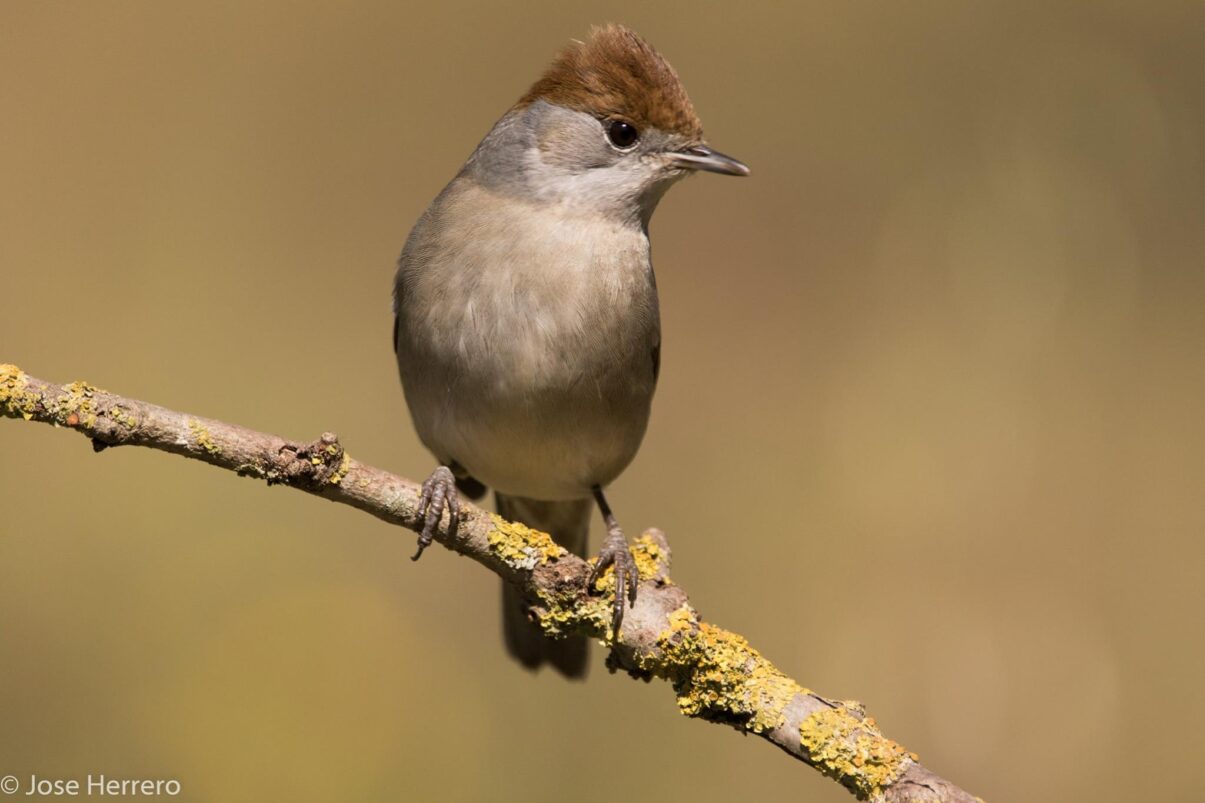
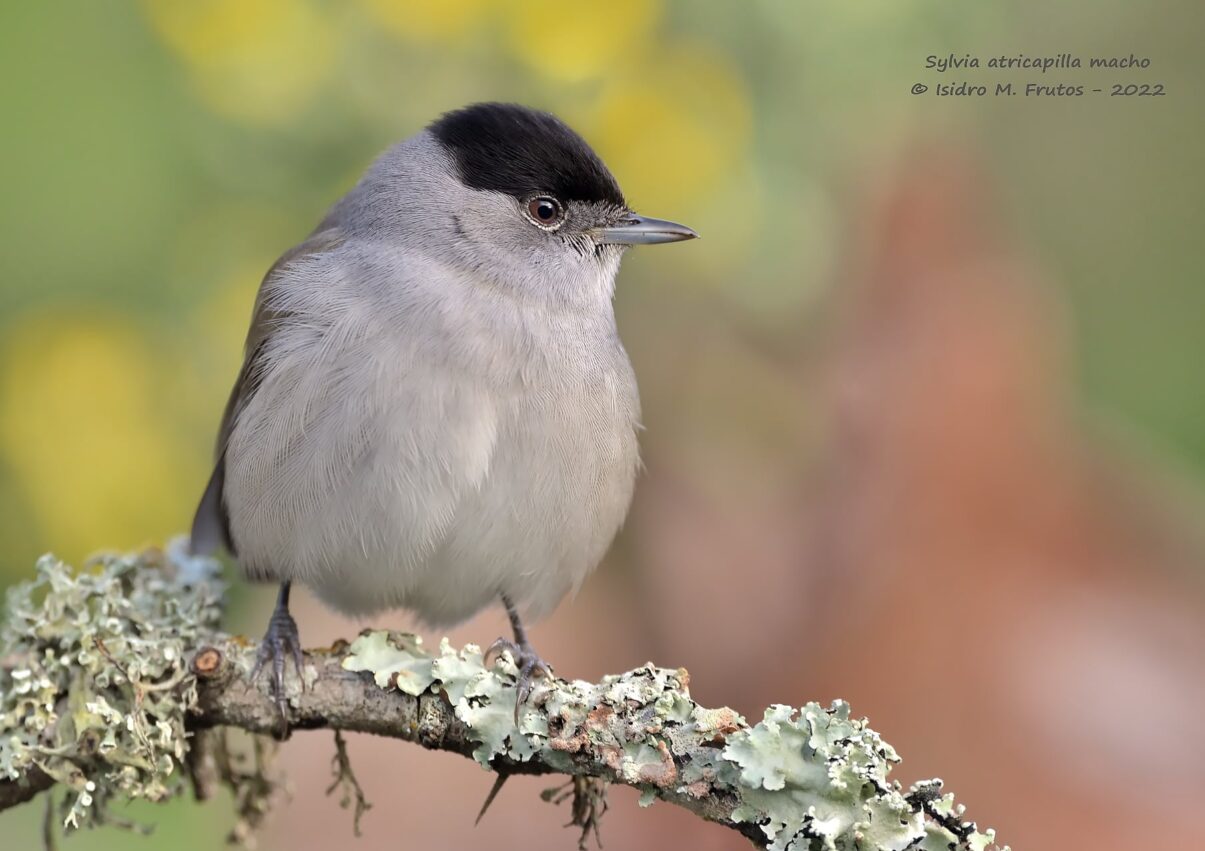
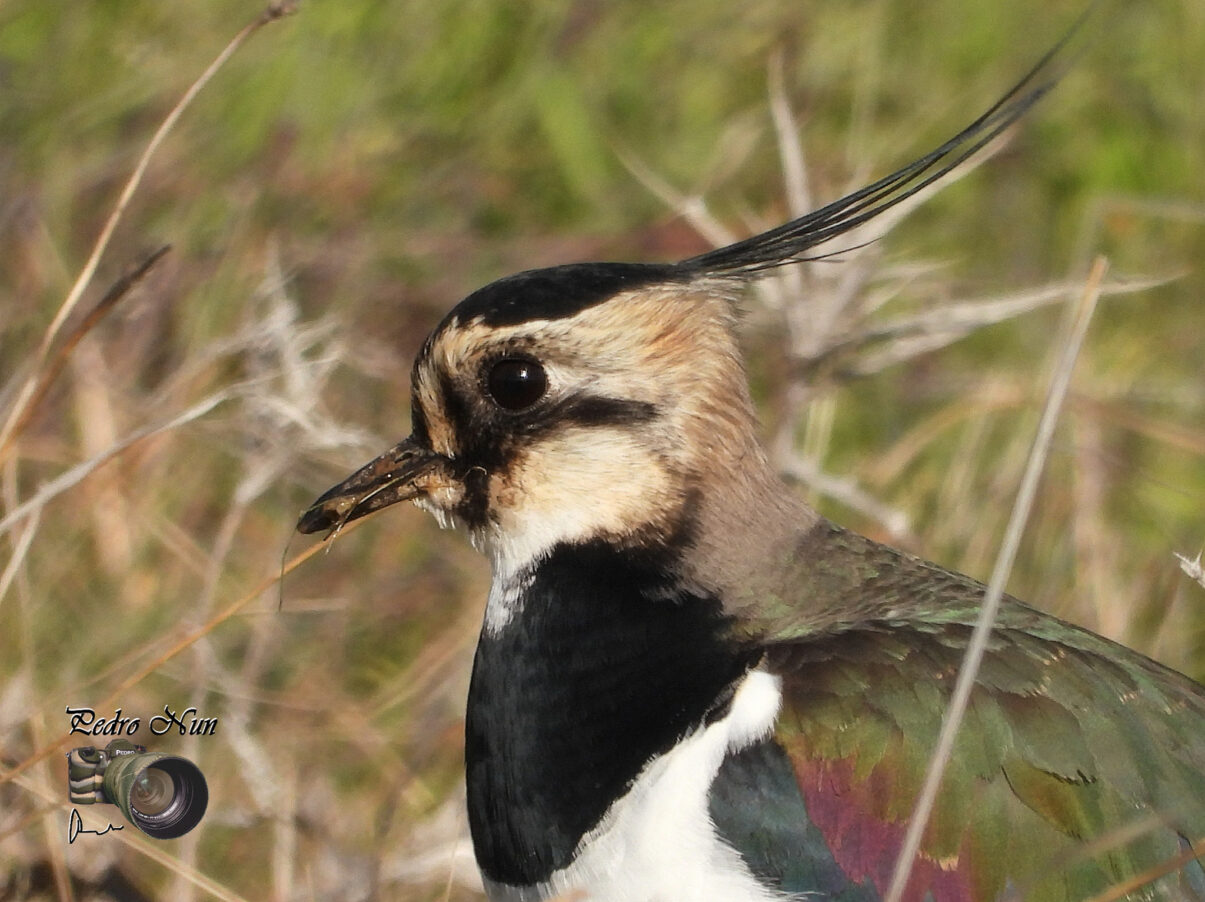
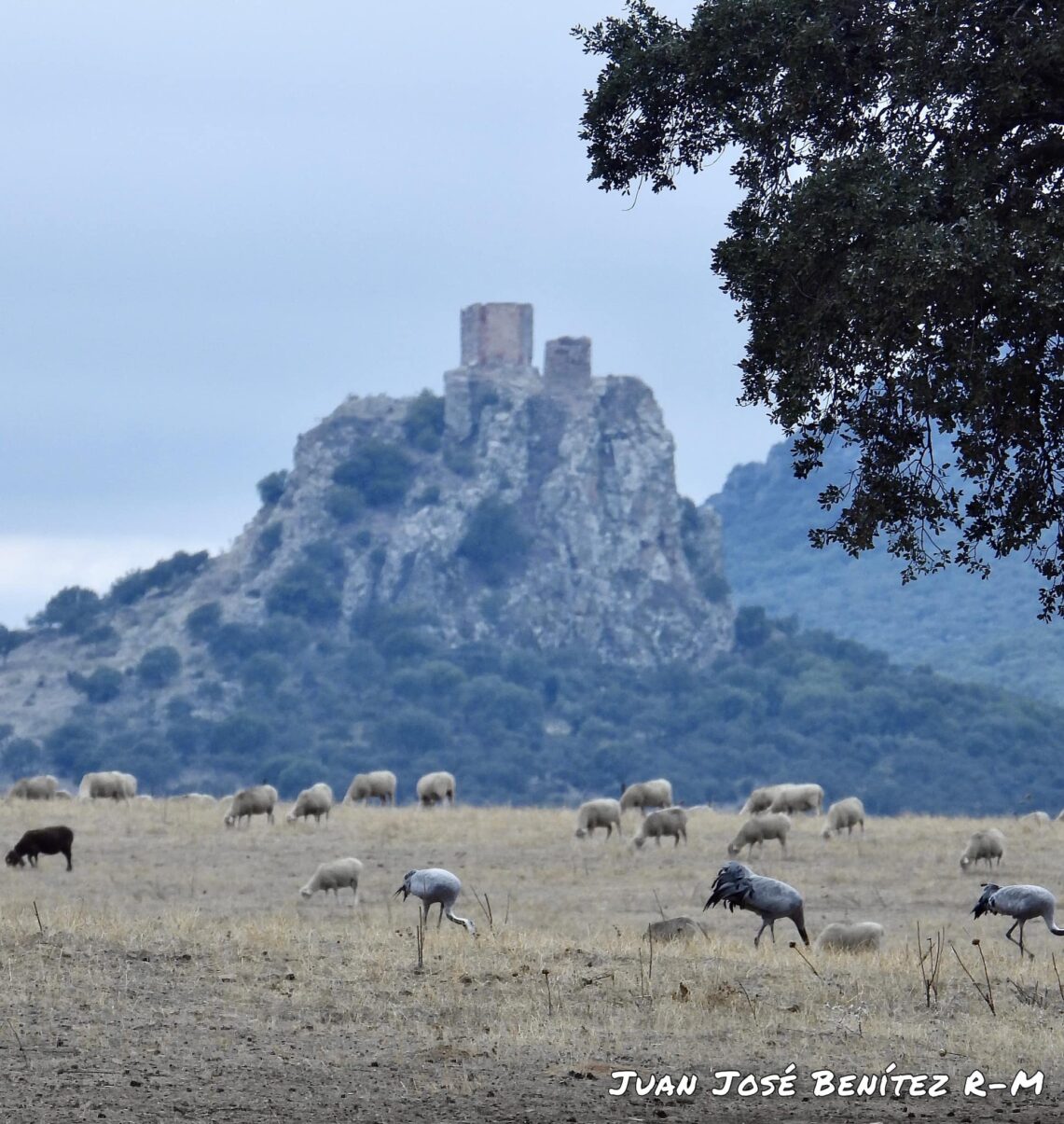
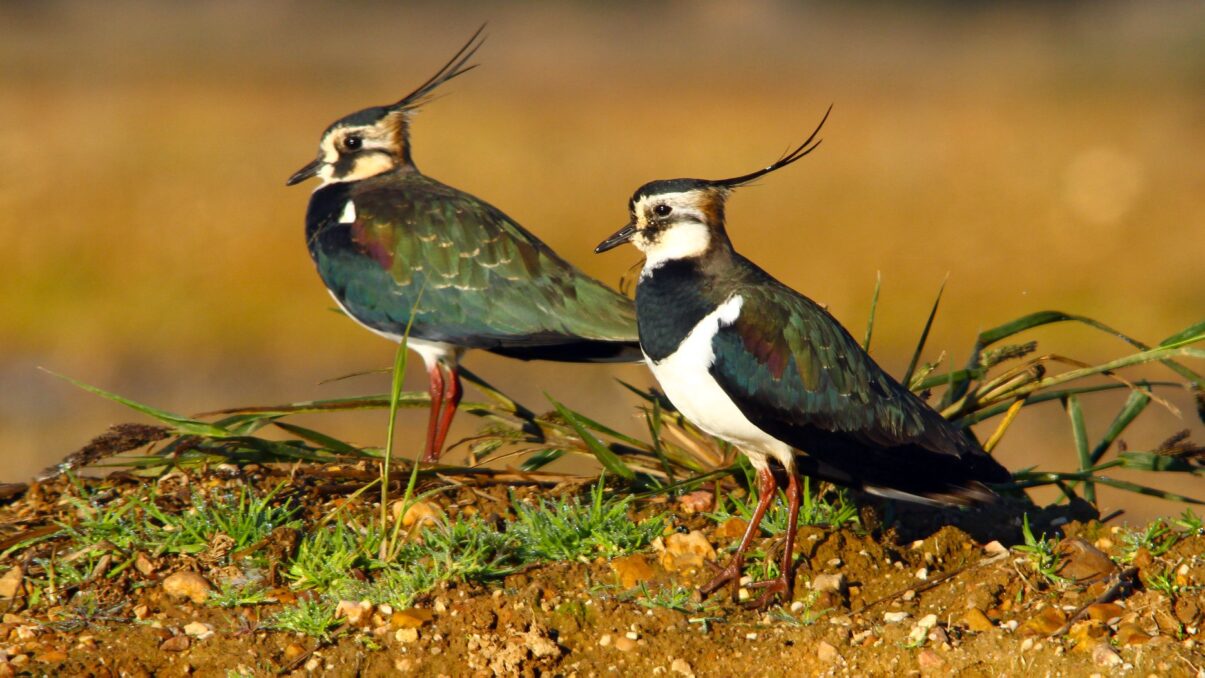
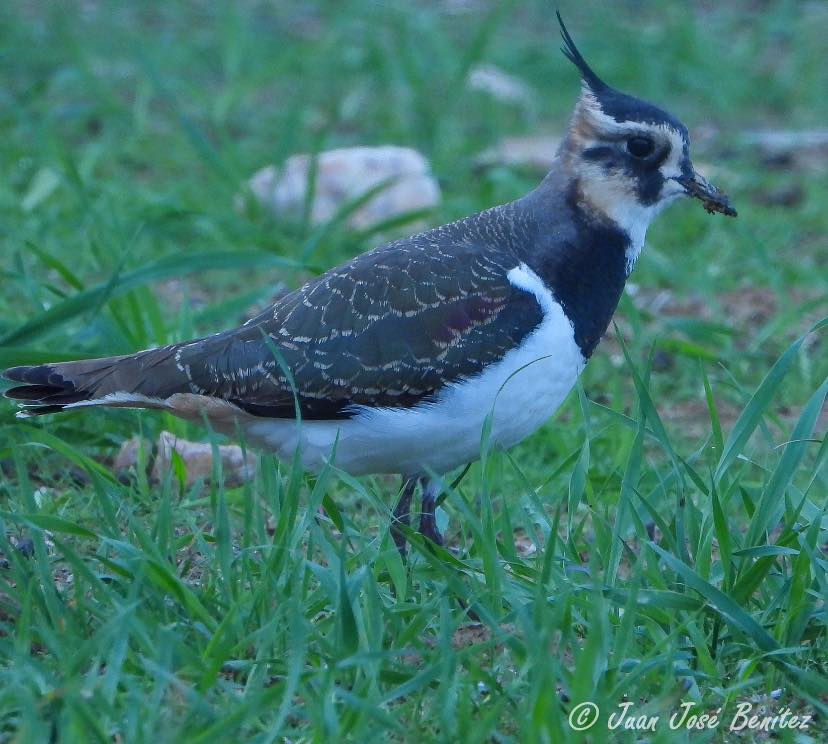
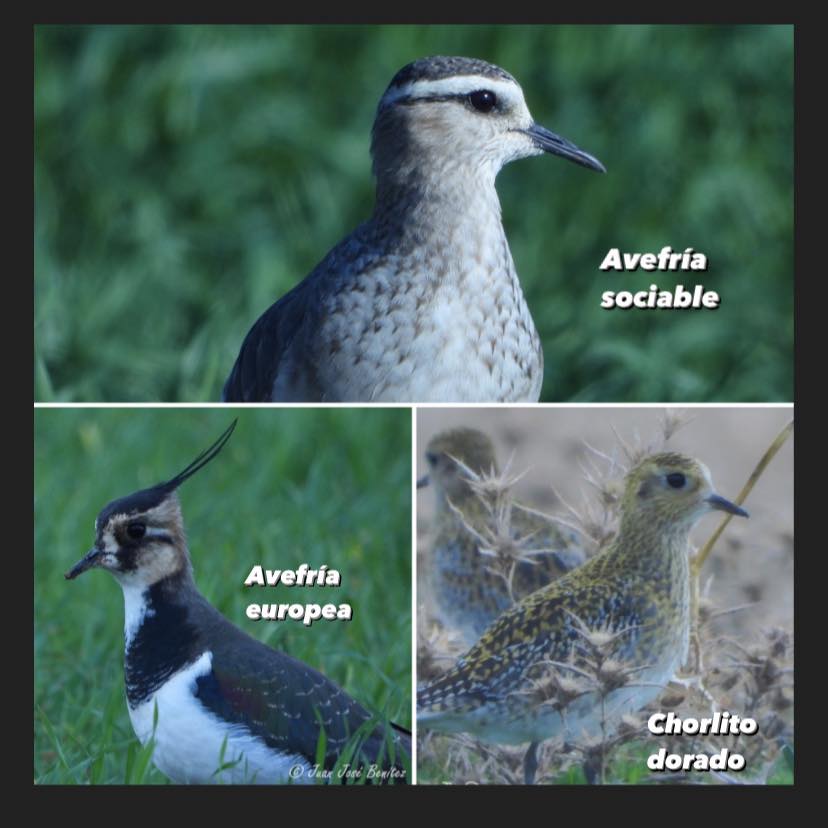
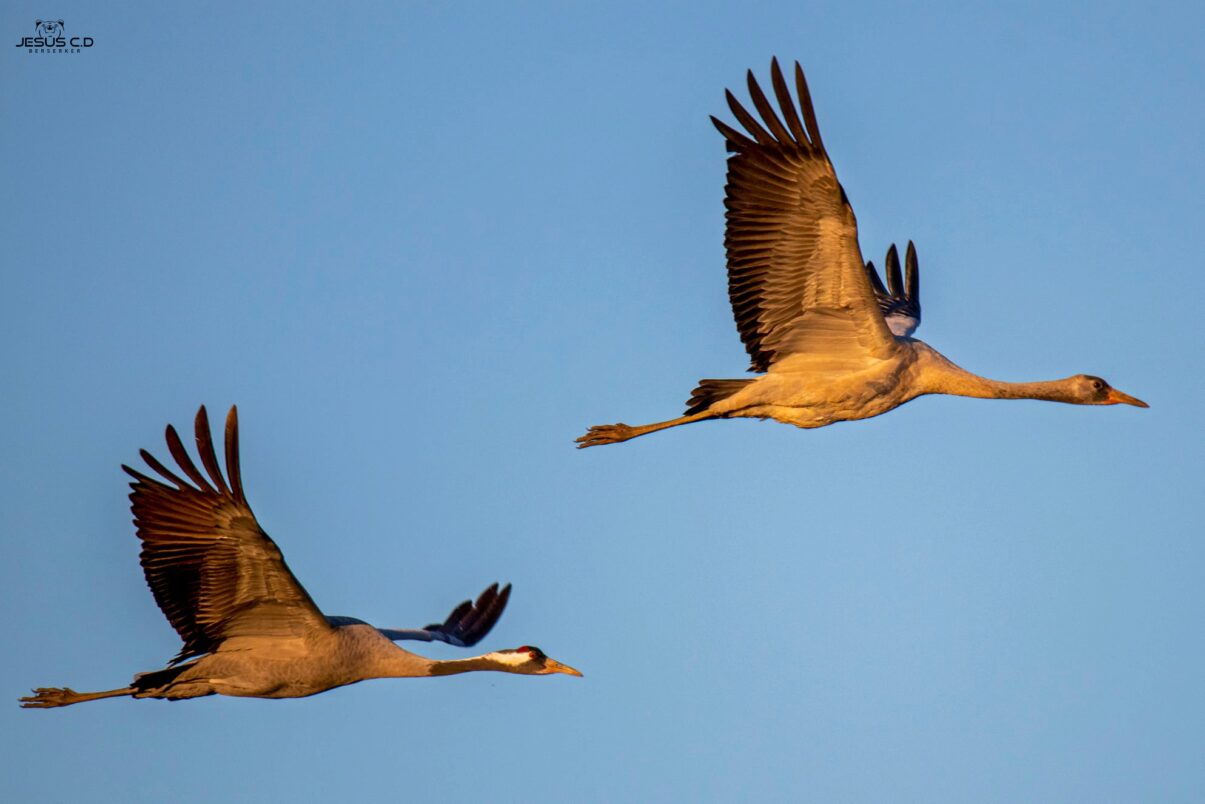
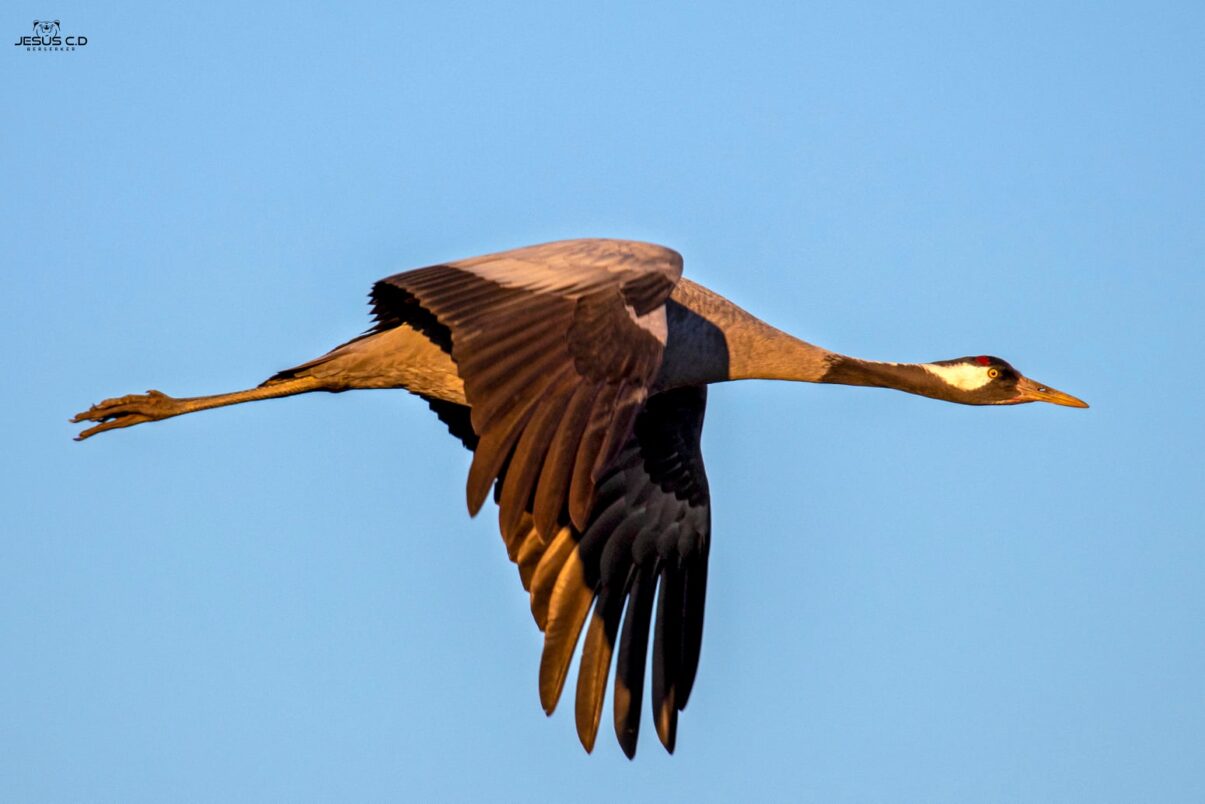
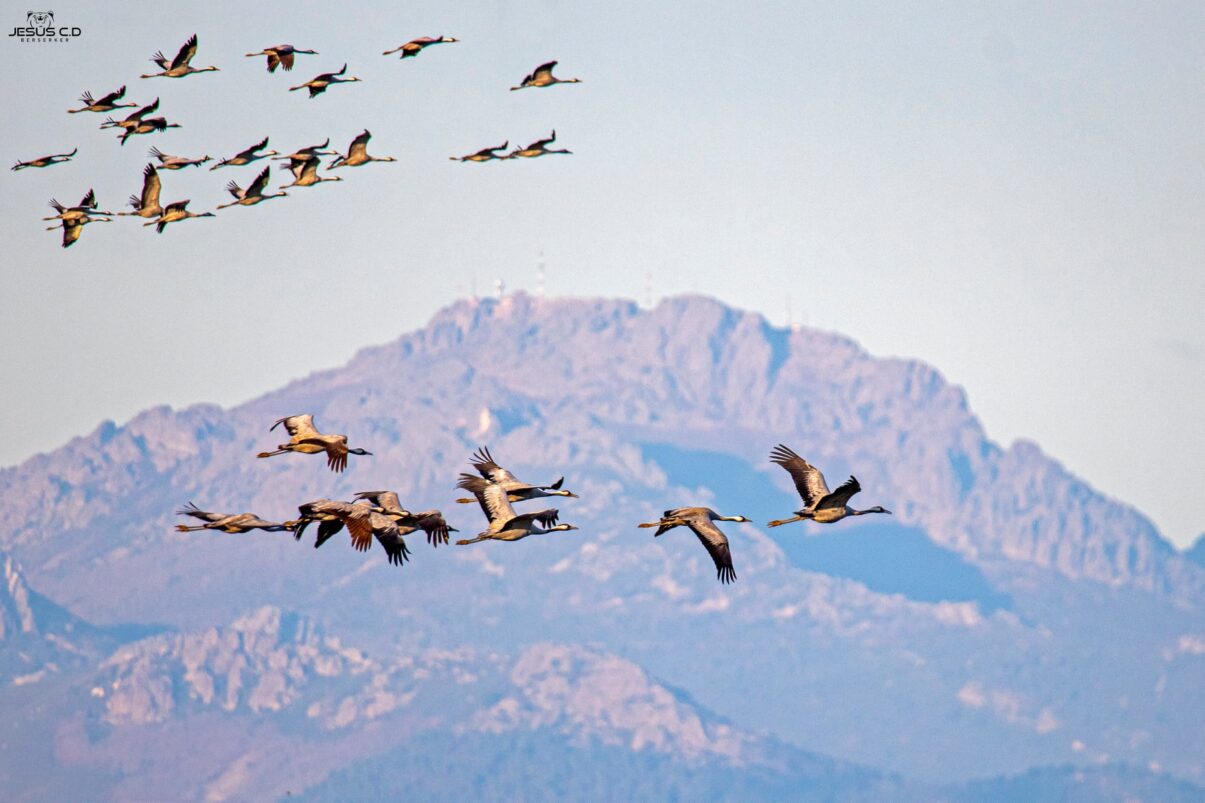
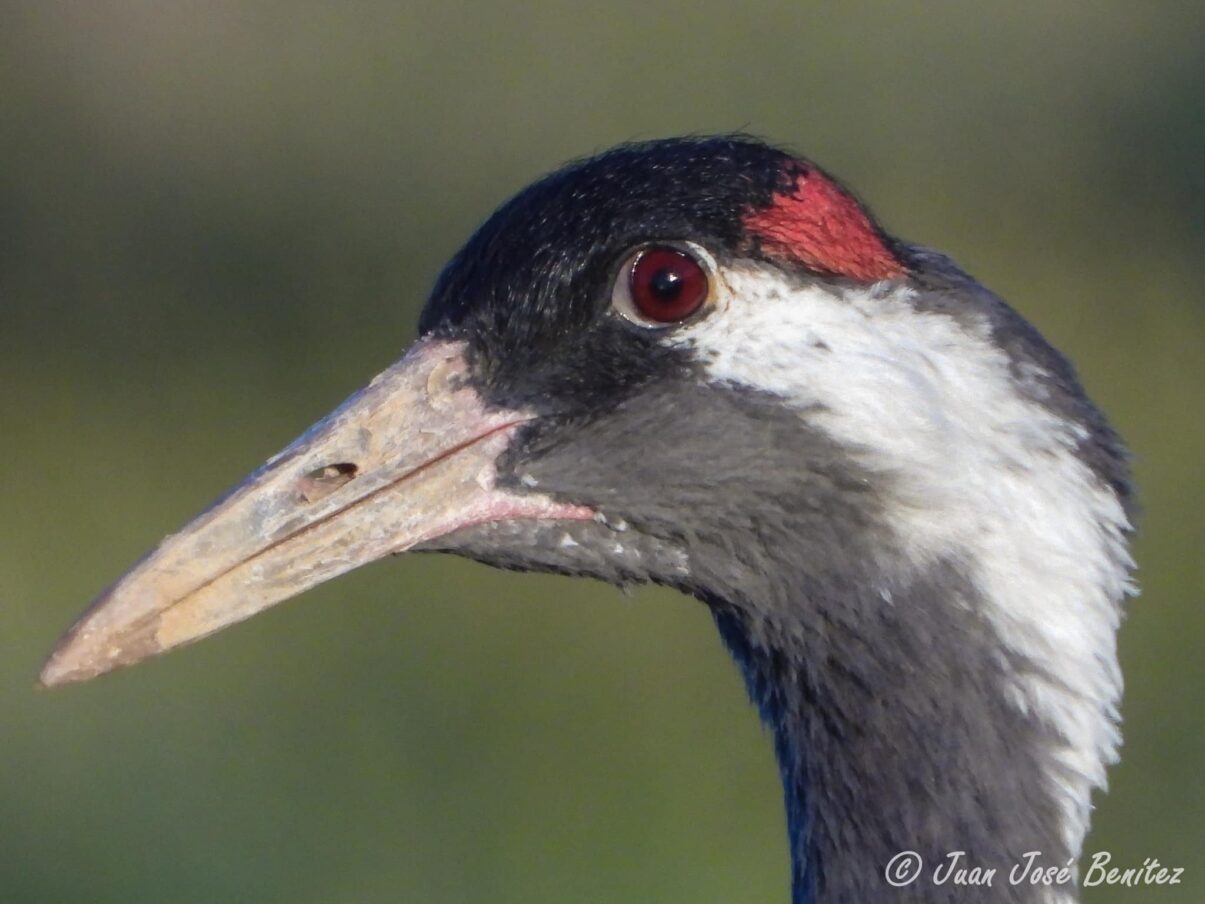
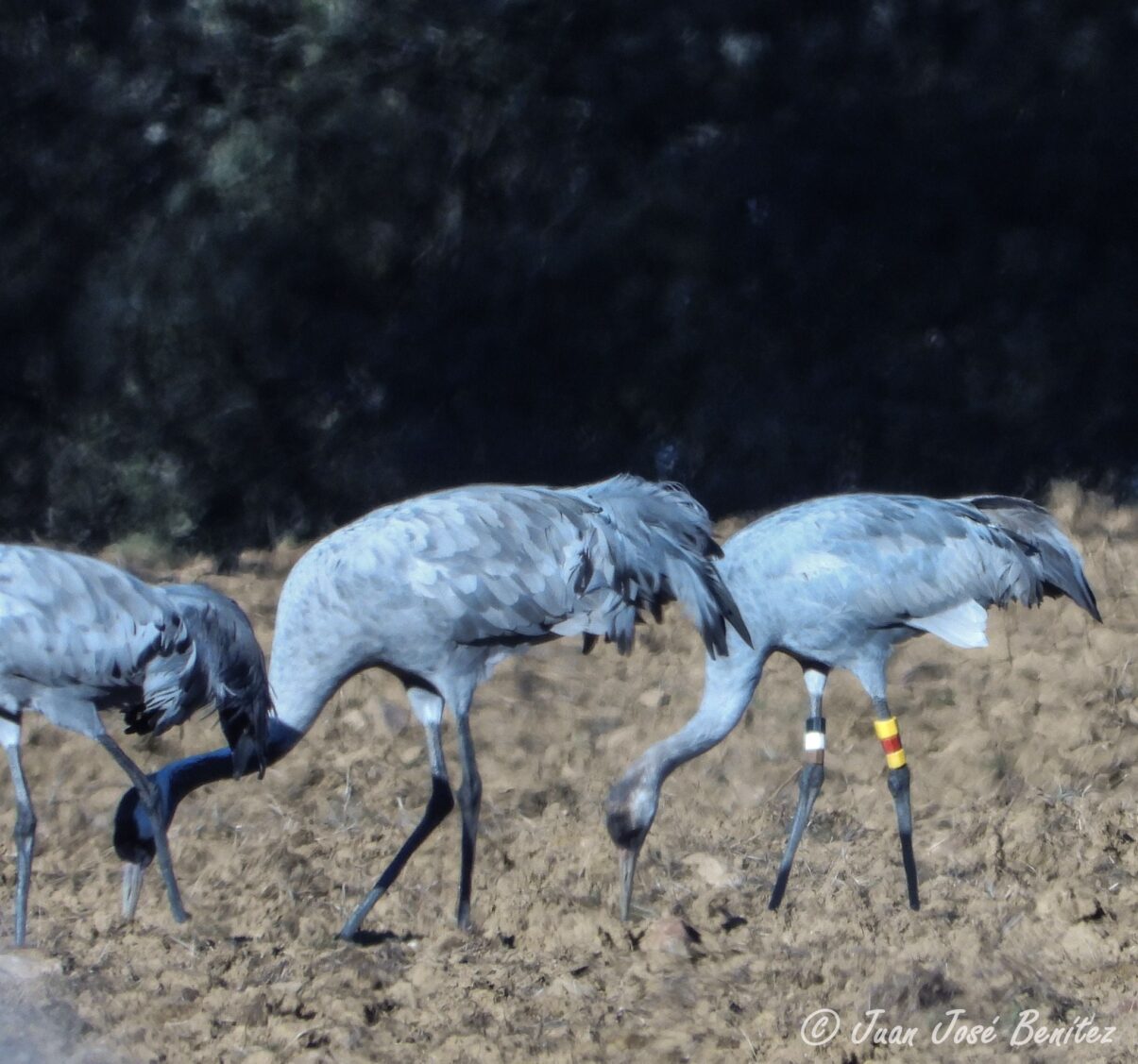
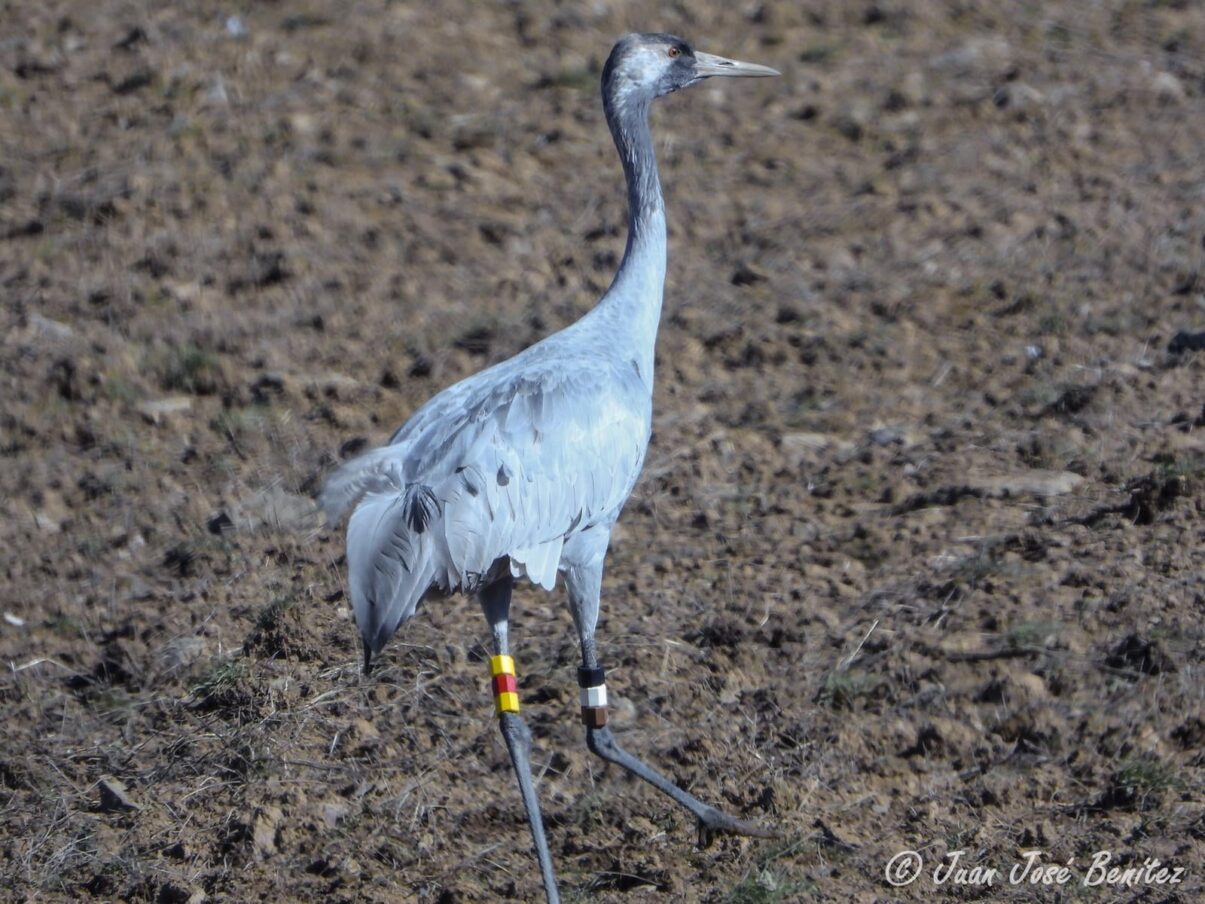
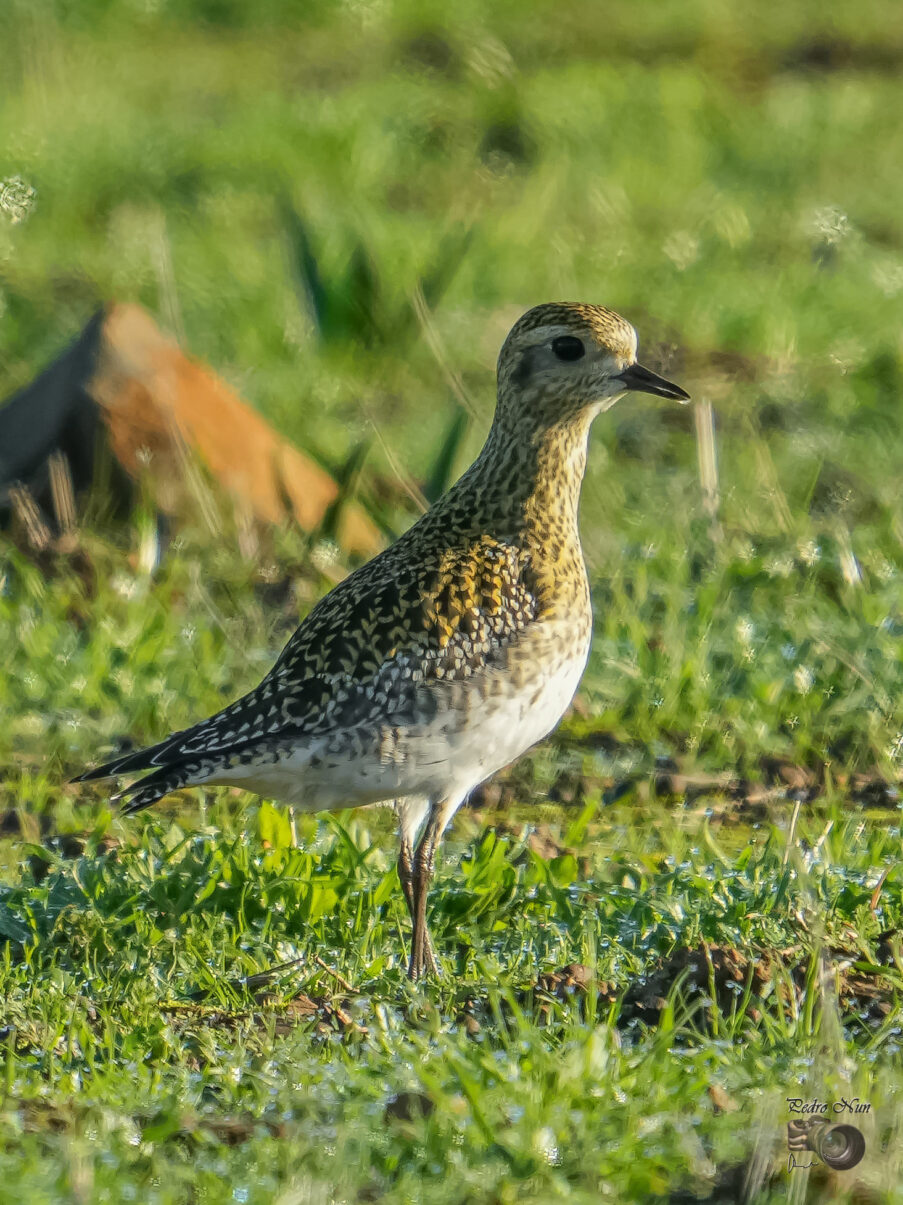
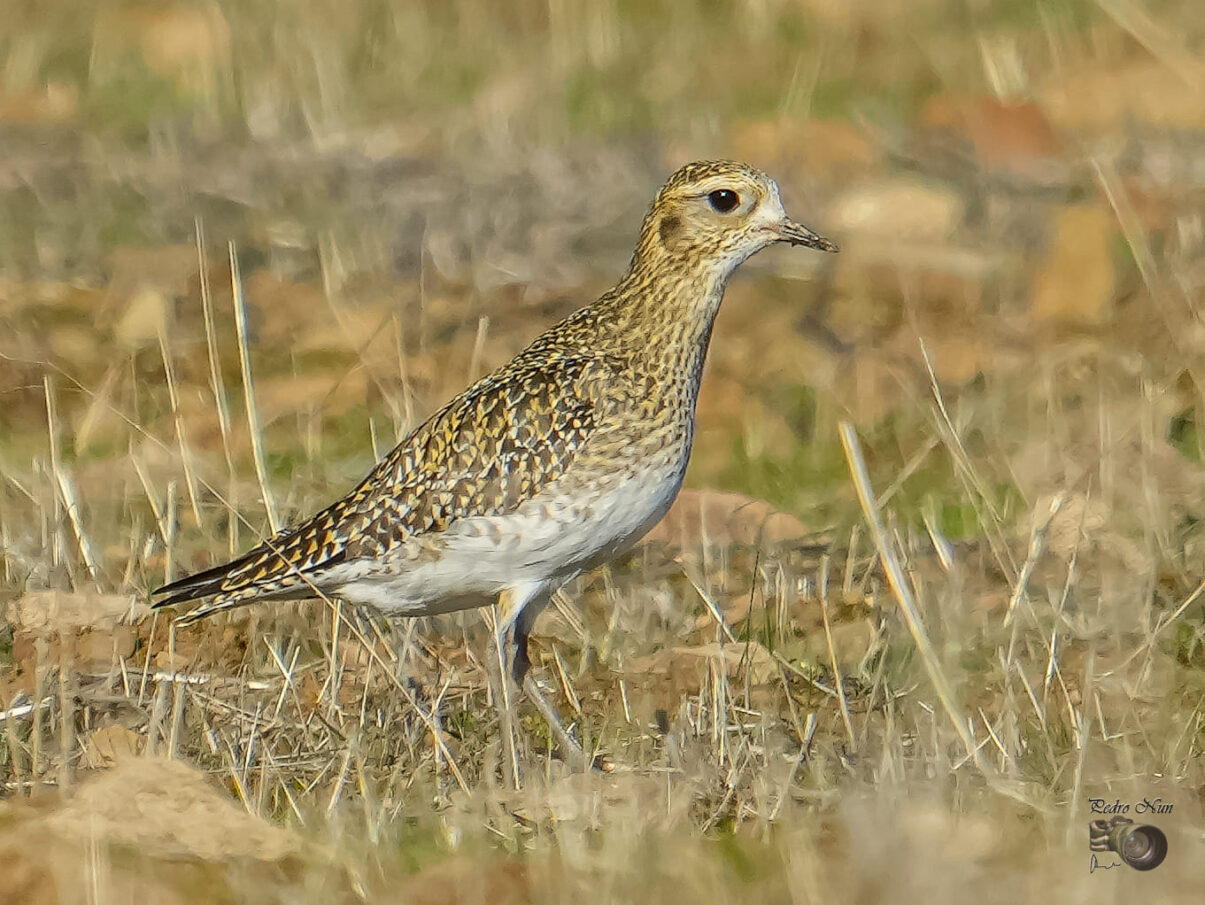
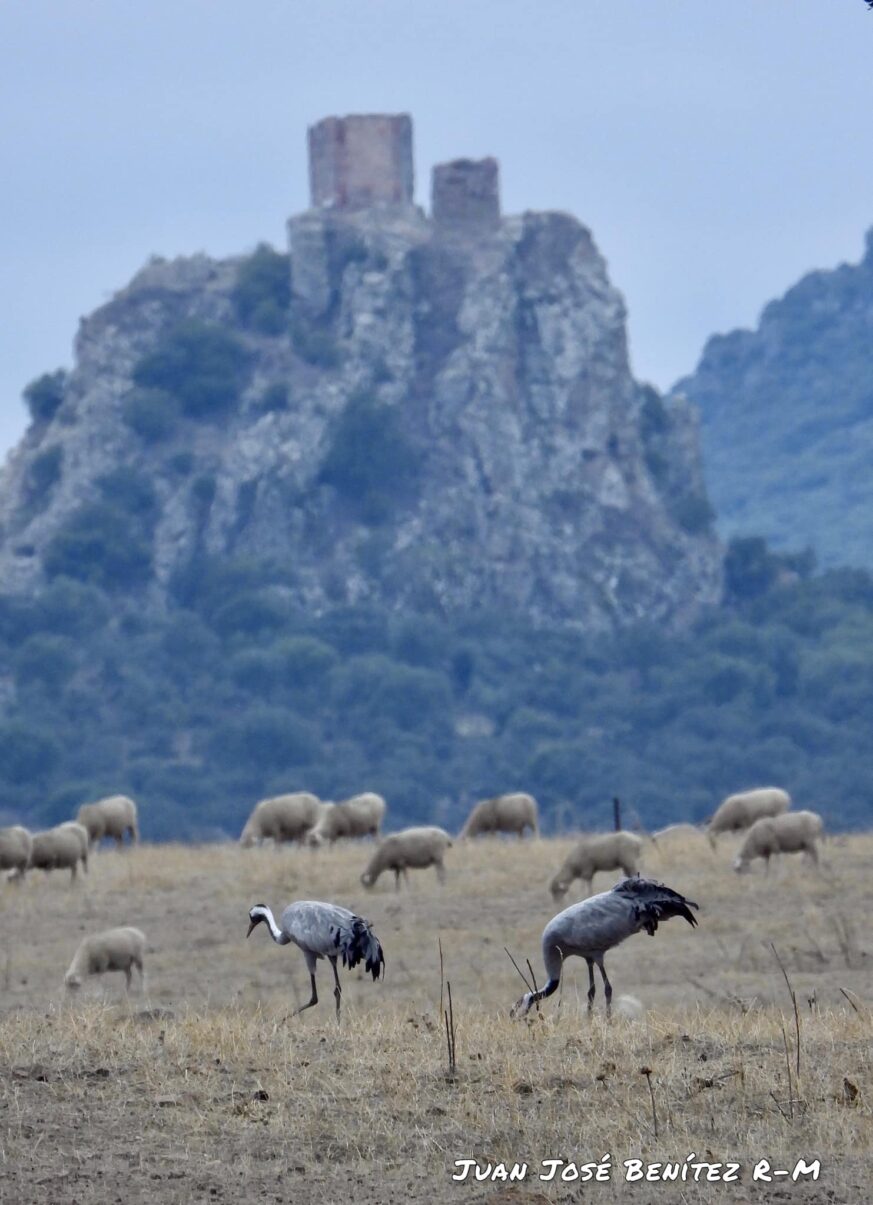
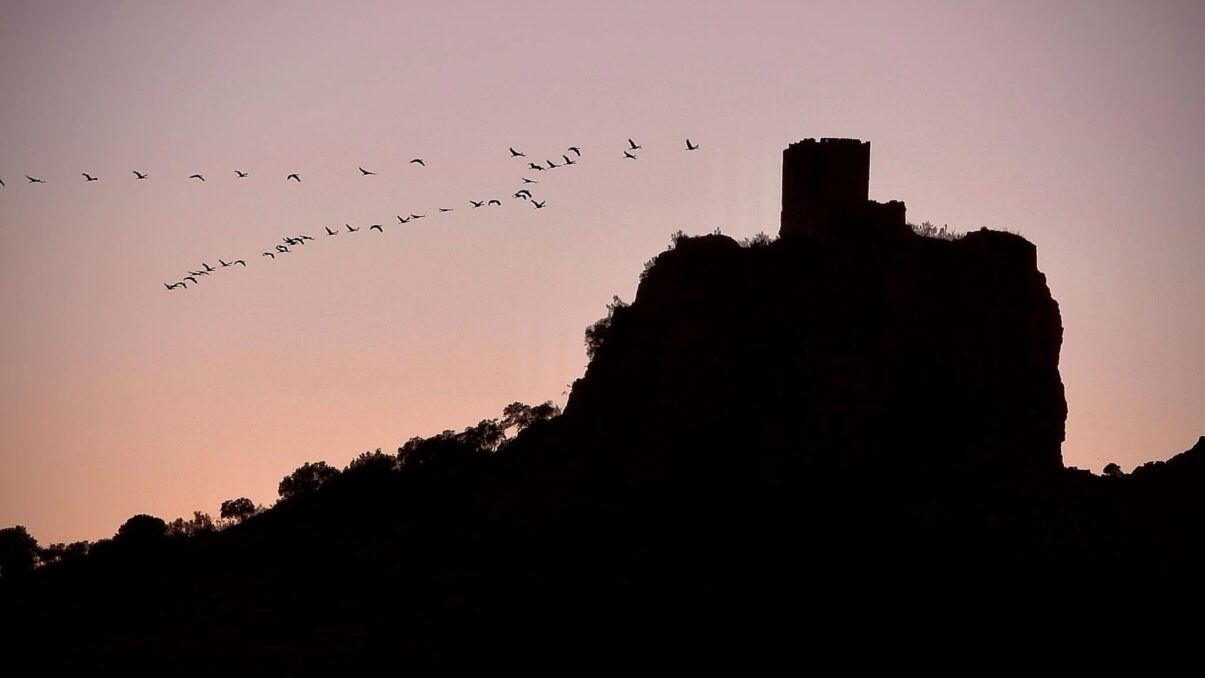
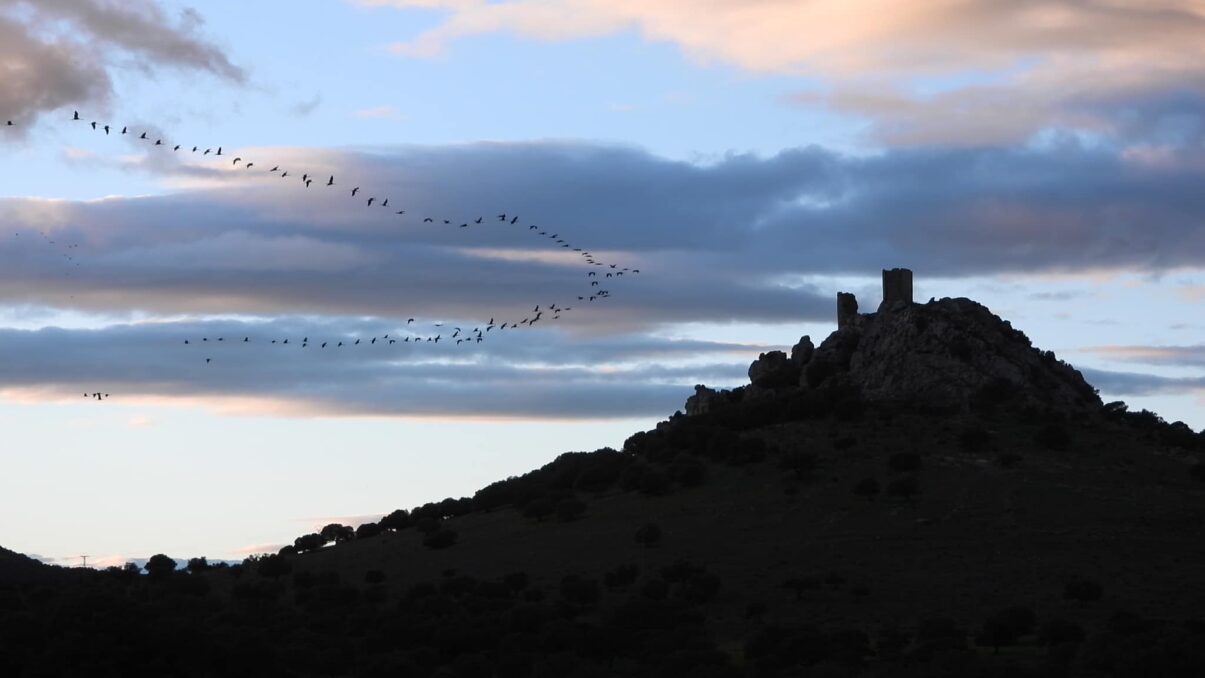
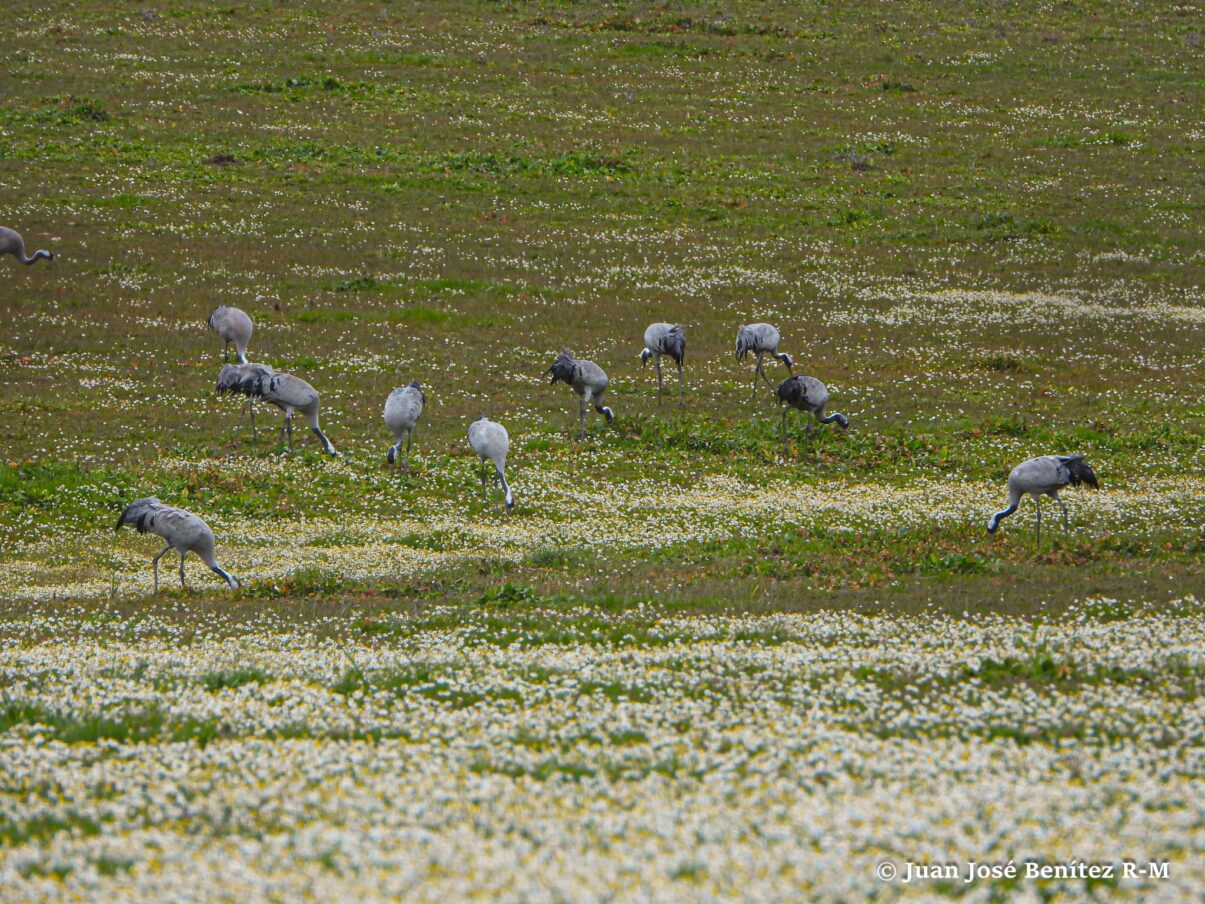
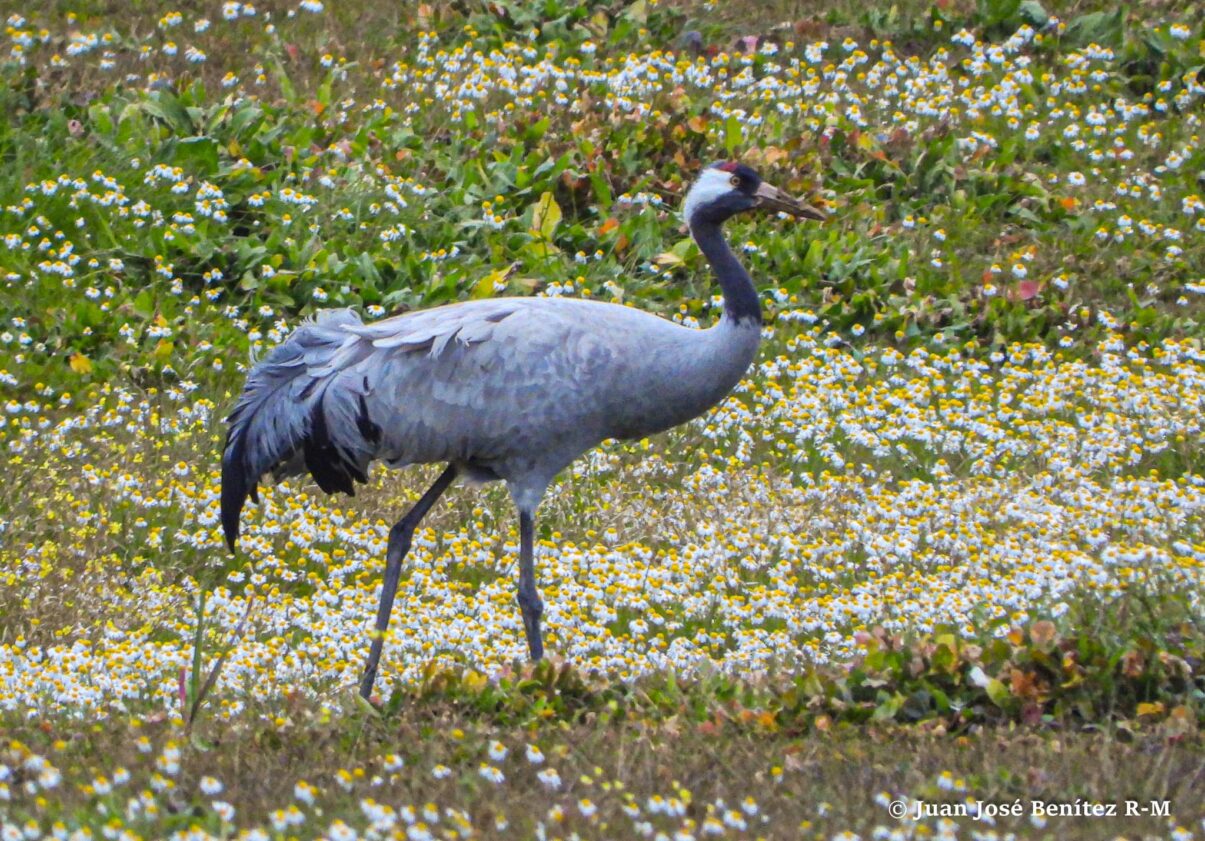
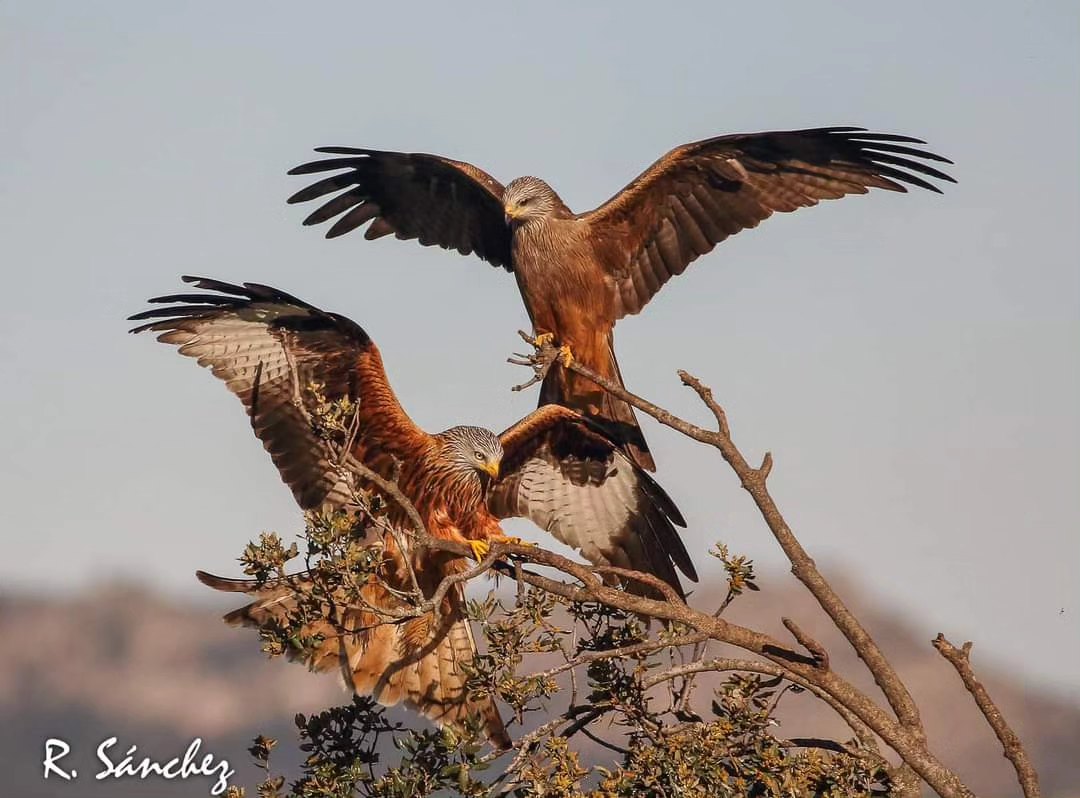
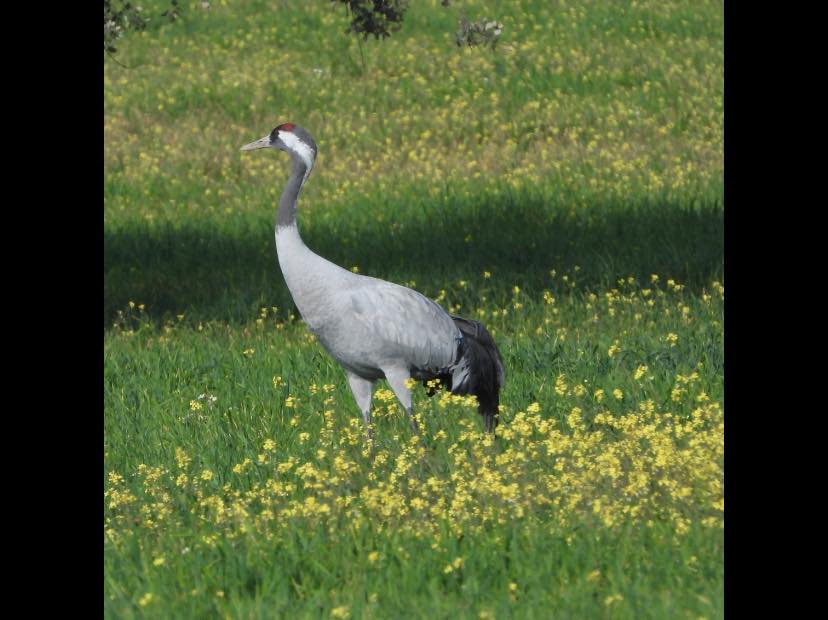
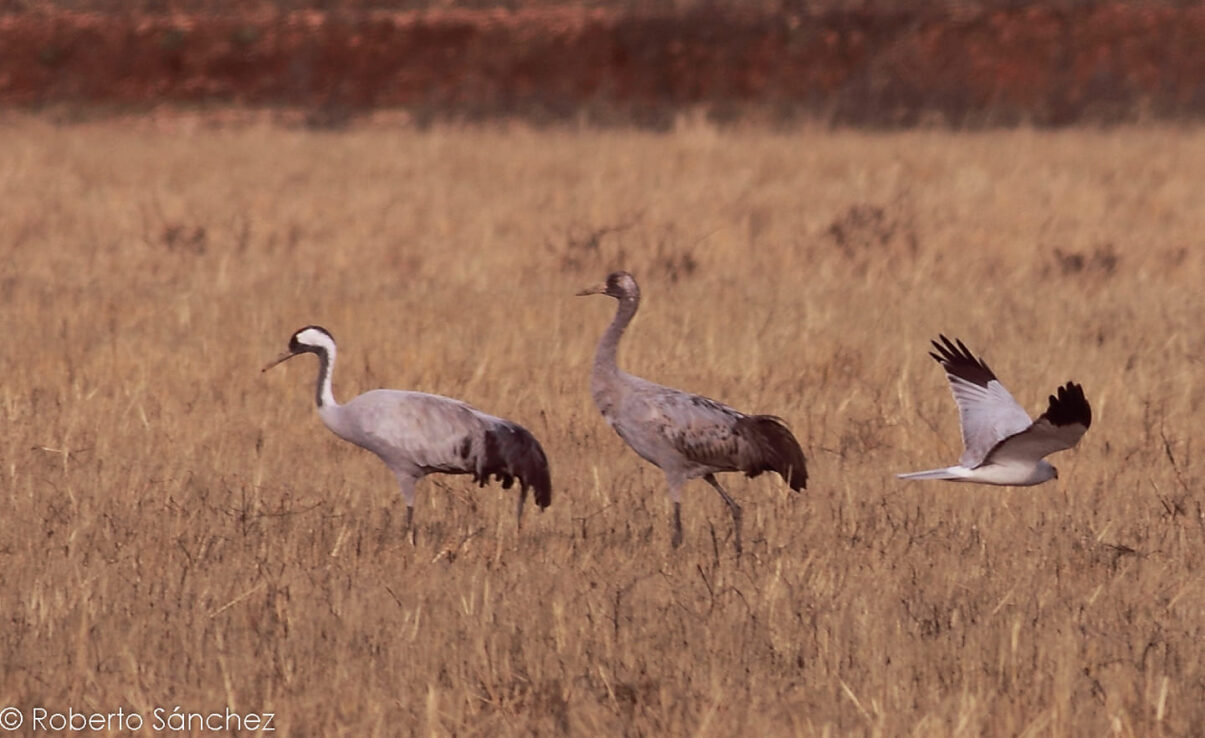
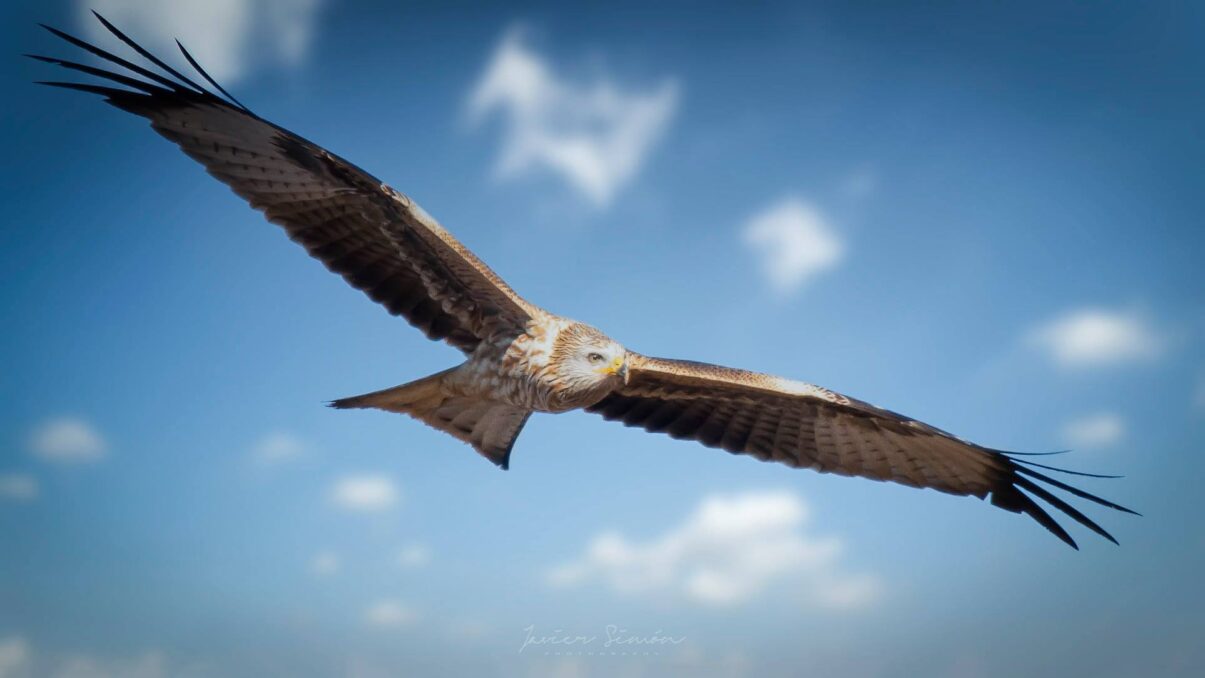
After the hot summer months, the passage season begins in which the birds that have spent the spring and summer months in Europe return to their wintering quarters in Africa to escape the cold of the winter months. On the contrary, birds from central and northern Europe come to Cabeza del Buey to spend the winter months, since the low temperatures, snow, ice and lack of food make their stay impossible. There are numerous species that come to Cabeza del Buey at this time of the year. Undoubtedly, the best known are the elegant and sonorous cranes. Their “V” shaped flights accompanied by their “trumpeting” are signs for the locals of the arrival of cold weather. These birds, for the most part and thanks to ringed specimens, are known to come from northern Germany, Finland and Latvia for the most part. They are easily seen between kilometers 1-4 of the BA-035 road also known as “La Golondrina”, although there are other areas such as the vicinity of the Almorchón castle, the pond or the farms of Chaparral, Quinto el Peñón, Los Palazuelos or La Cabezuela where they can be observed. These areas have a common denominator, the acorn. This nutritious food provided by holm oaks is highly valued by these winged travelers, as it is a very important source of fat to recover from their long journey and get strength to spend the winter season and the next breeding season. Although they arrive in groups, they tend to separate into families once they reach their common wintering areas, which are passed down from generation to generation, resulting in the same birds being seen in the same places. A spectacle produced by these birds is their march to roosts, which are water areas (ponds, rivers or reservoirs) where they concentrate to roost together. Every day they fly from their feeding areas to the roosts and vice versa, one of the most beautiful passes being the one that crosses the Almorchón castle. From the large cranes we move on to other small birds that also come from the northern areas. We are talking about the common but beautiful and elegant lapwings, also known as aguasnieves. They are easily observed in the plains of La Serena next to the flocks of sheep looking for the insects they leave behind them. Their sad, but characteristic song also announces the first waters. They are usually seen in small groups or scattered specimens, although in the arrival and in the concentrations for their departure they are usually grouped in large flocks. Another winter visitor that is often seen along with lapwings are the friendly golden plovers. This bird that scurries in groups across the steppes of Cabeza del Buey usually comes after the lapwings, but they tend to share space and food. The concentrations prior to their return concentrate large flocks of more than 500 specimens. Large concentrations of Little Bustards can also be seen, with wintering flocks of between 200-500 individuals. Other birds that come to the locality in winter are blackcaps, thrushes, goldfinches, goldfinches, robins, teals, teal, shovelers, black-headed gulls, black-headed gulls, snipe, pochards, gadwall ducks, starlings, mergansers, red kites and hen harriers.
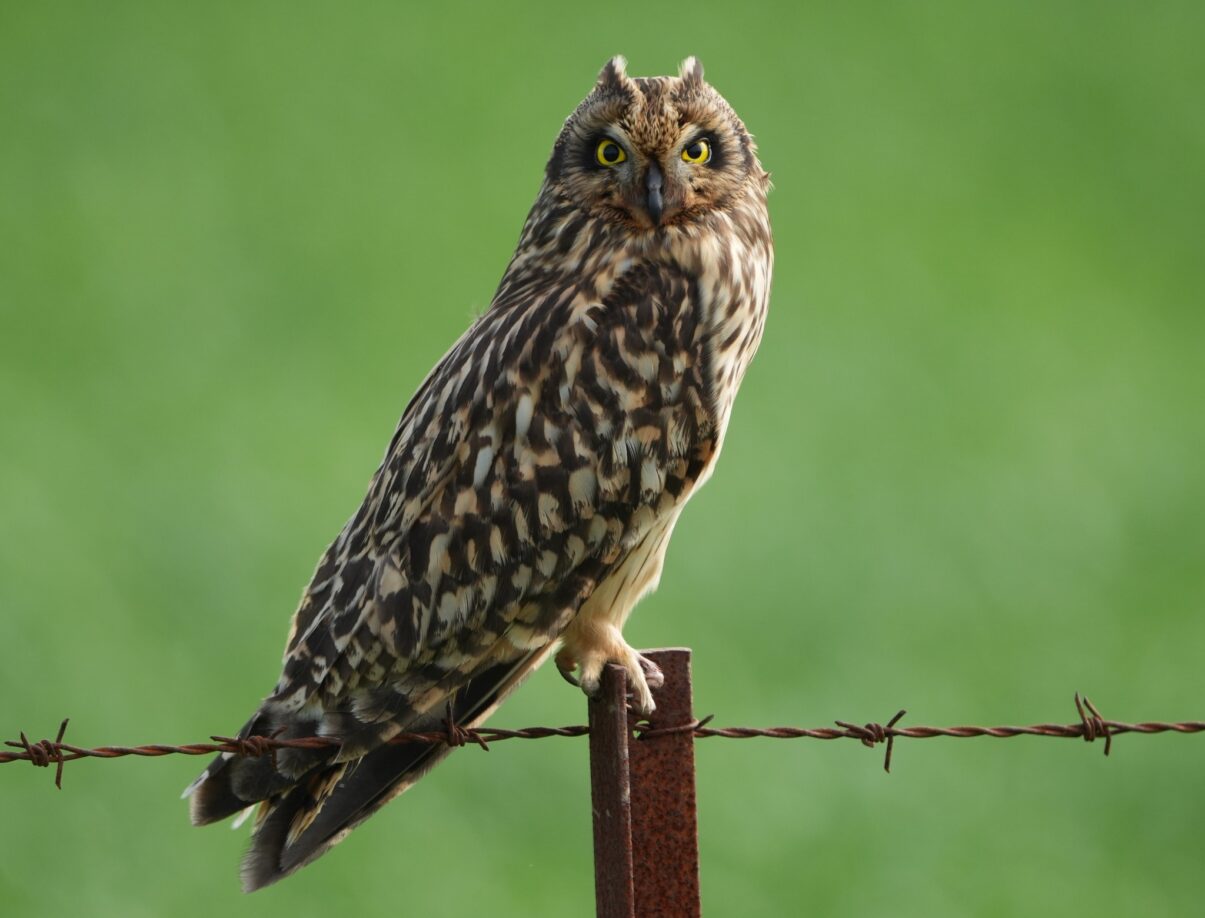
In recent years, not so common species have been observed, such as sociable birds, ospreys, plovers, carambolo plovers and short-eared owls.
Este sitio web utiliza cookies para mejorar su experiencia mientras navega por el sitio web. De estas, las cookies que se clasifican como necesarias se almacenan en su navegador, ya que son esenciales para el funcionamiento de las funcionalidades básicas del sitio web. También utilizamos cookies de terceros que nos ayudan a analizar y comprender cómo utiliza este sitio web. Estas cookies se almacenarán en su navegador solo con su consentimiento. También tiene la opción de rechazar estas cookies. Pero la exclusión voluntaria de algunas de estas cookies puede afectar su experiencia de navegación.| Cookie | Duration | Description |
|---|---|---|
| cookielawinfo-checkbox-analytics | 11 months | This cookie is set by GDPR Cookie Consent plugin. The cookie is used to store the user consent for the cookies in the category "Analytics". |
| cookielawinfo-checkbox-functional | 11 months | The cookie is set by GDPR cookie consent to record the user consent for the cookies in the category "Functional". |
| cookielawinfo-checkbox-necessary | 11 months | This cookie is set by GDPR Cookie Consent plugin. The cookies is used to store the user consent for the cookies in the category "Necessary". |
| cookielawinfo-checkbox-others | 11 months | This cookie is set by GDPR Cookie Consent plugin. The cookie is used to store the user consent for the cookies in the category "Other. |
| cookielawinfo-checkbox-performance | 11 months | This cookie is set by GDPR Cookie Consent plugin. The cookie is used to store the user consent for the cookies in the category "Performance". |
| viewed_cookie_policy | 11 months | The cookie is set by the GDPR Cookie Consent plugin and is used to store whether or not user has consented to the use of cookies. It does not store any personal data. |