
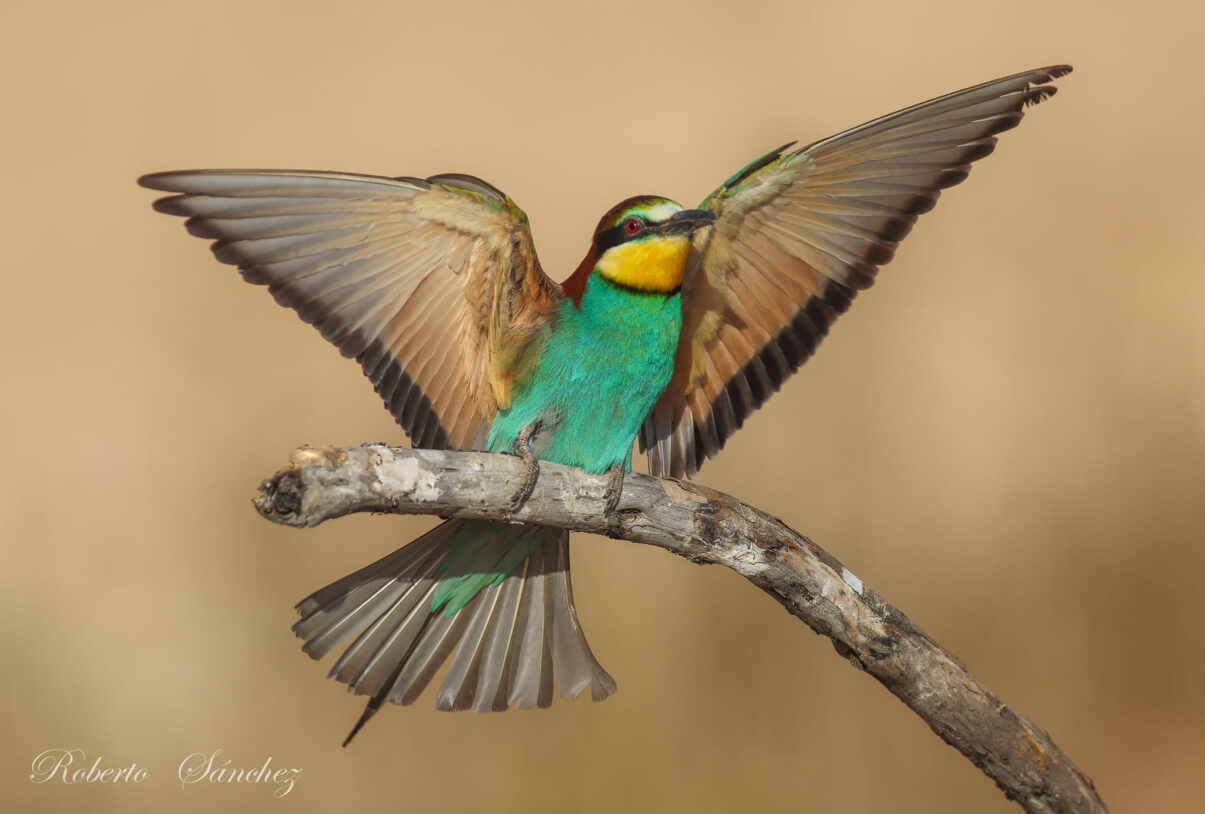
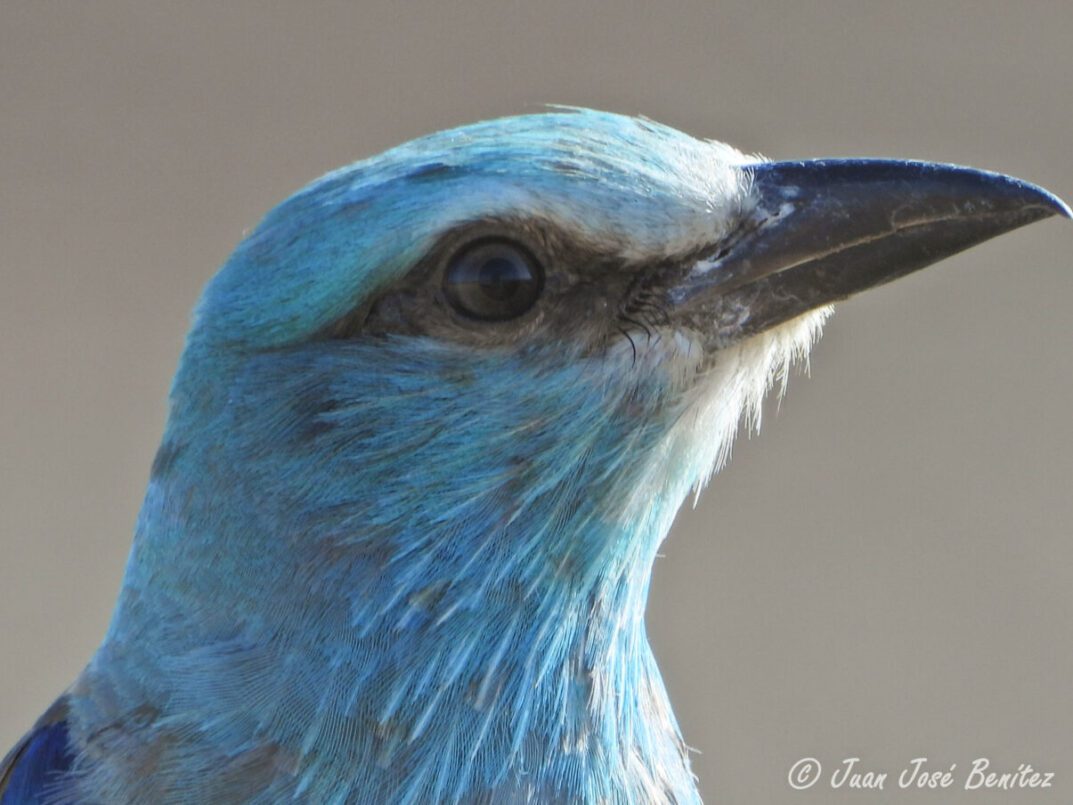
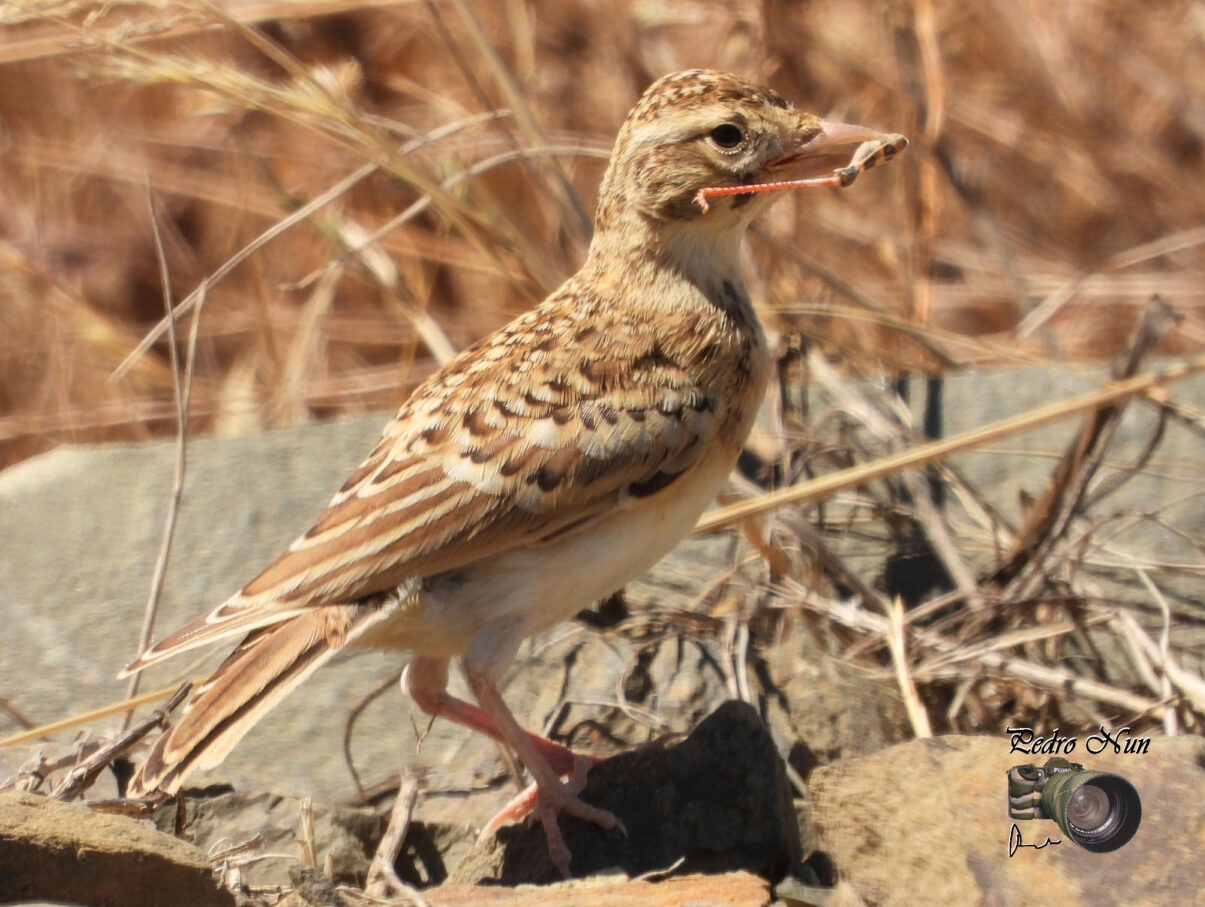
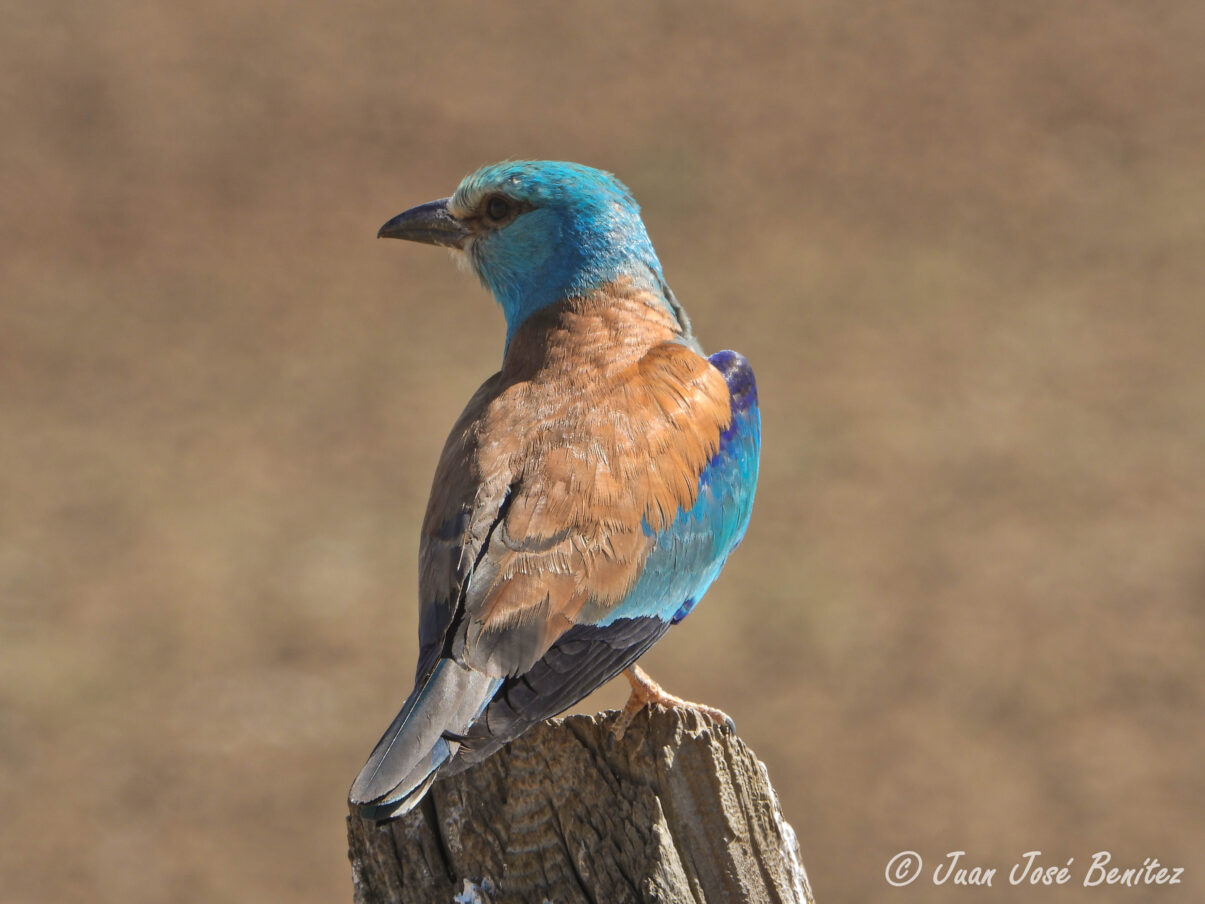
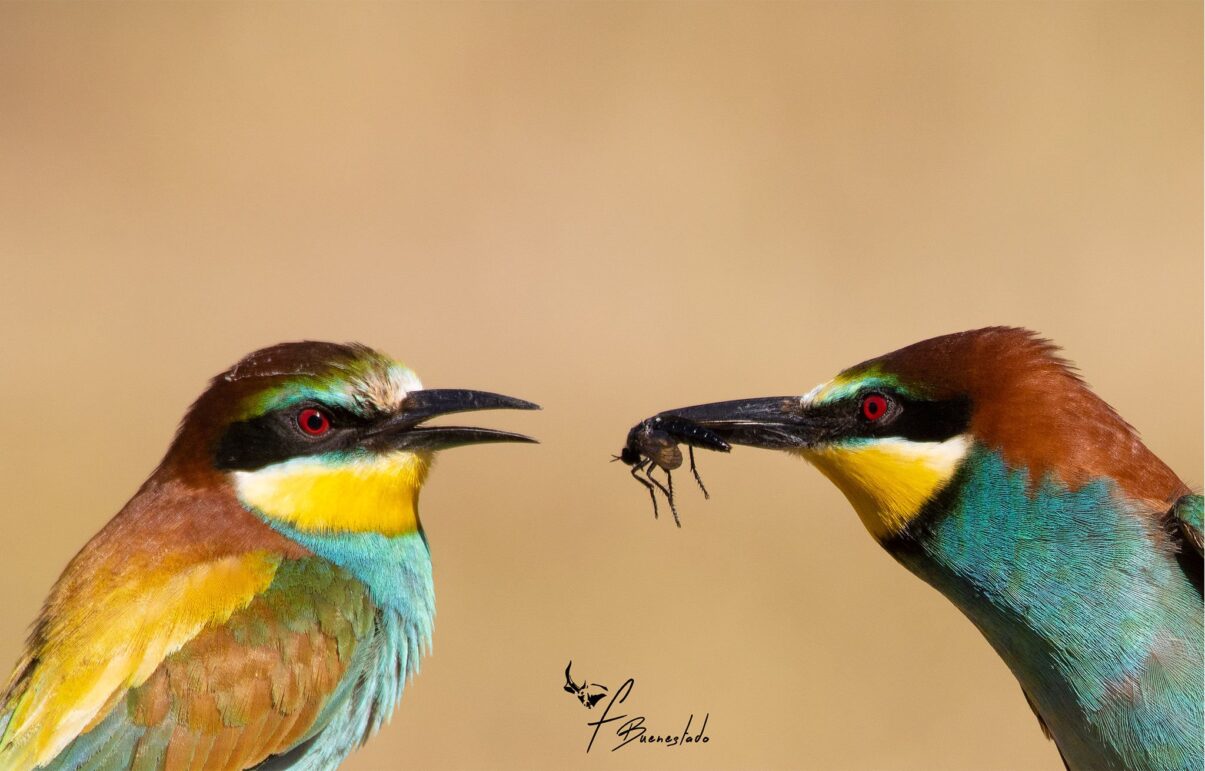
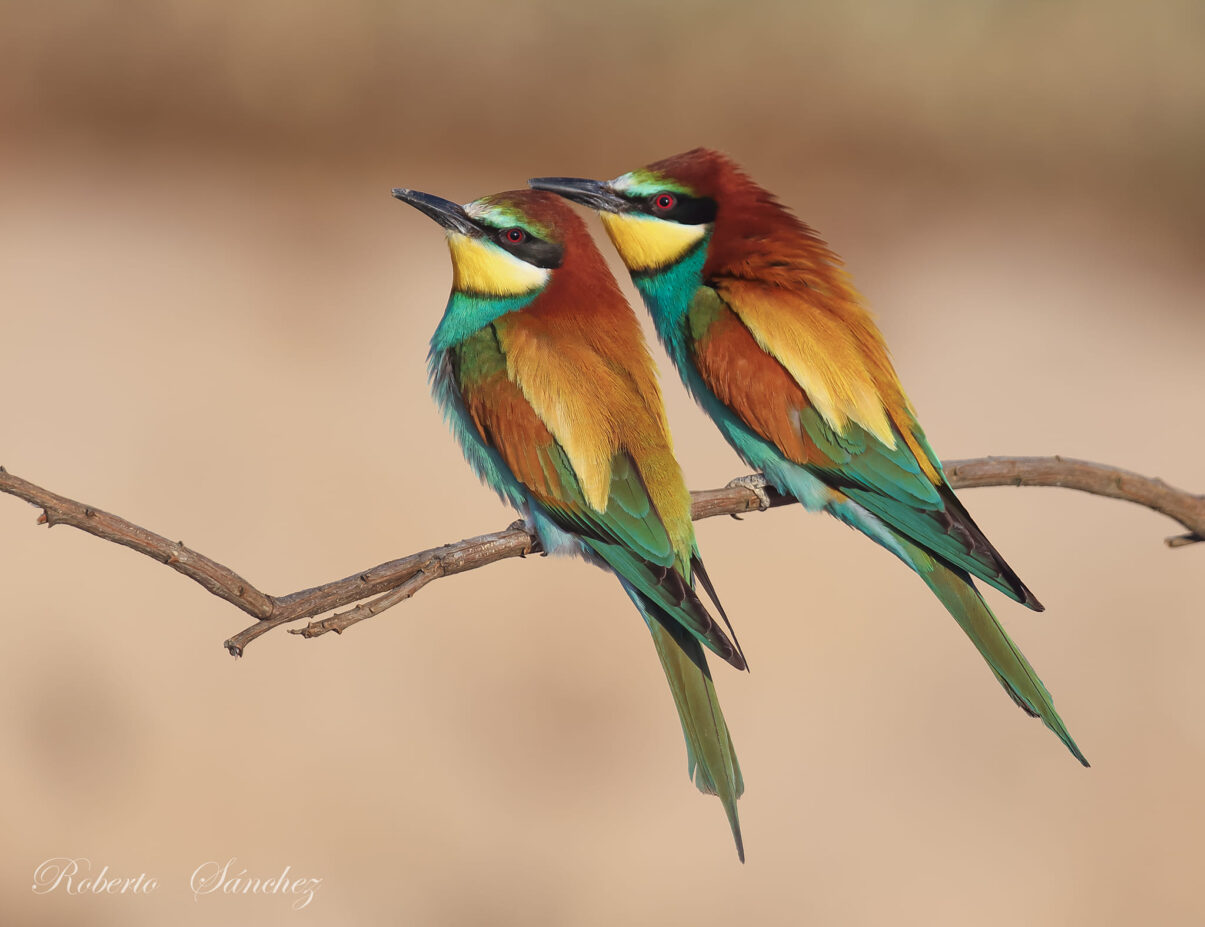
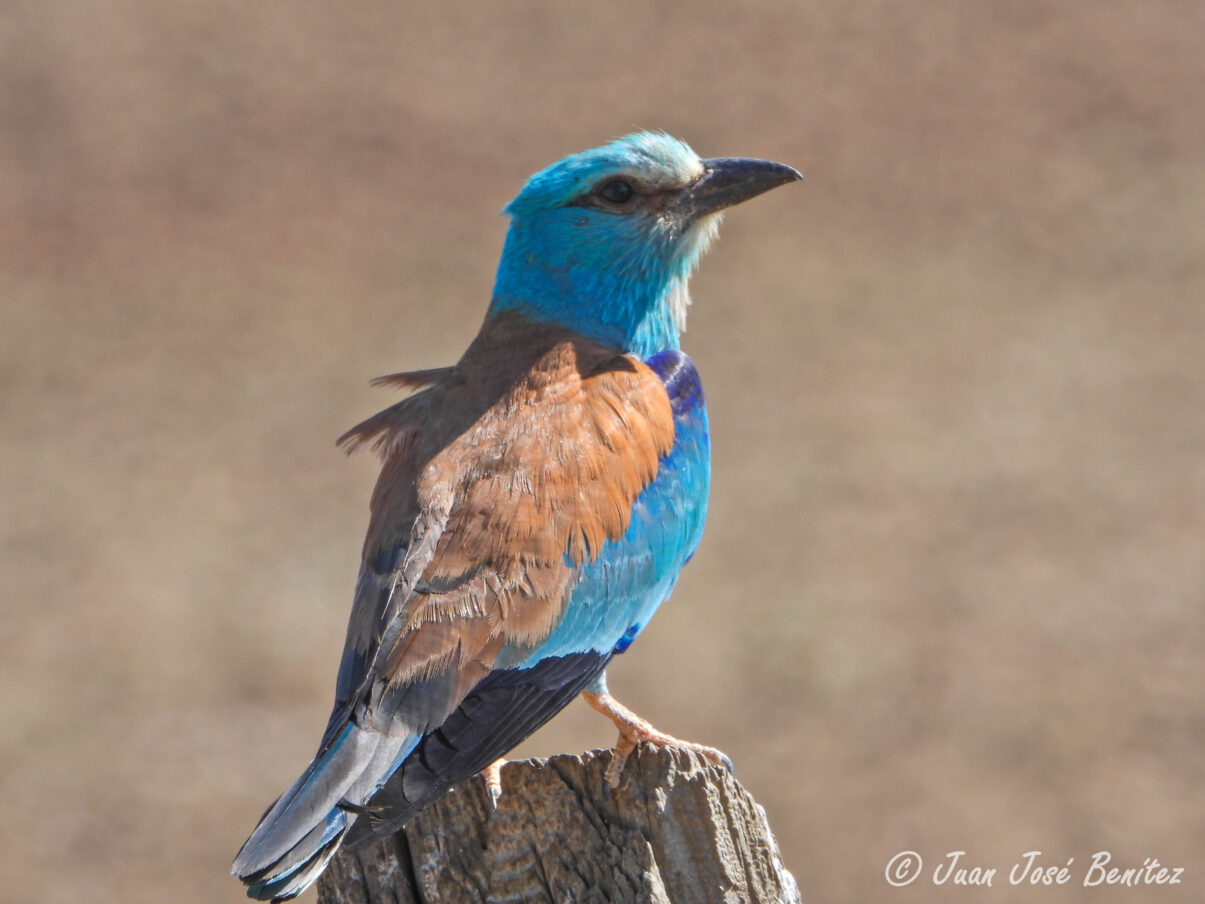
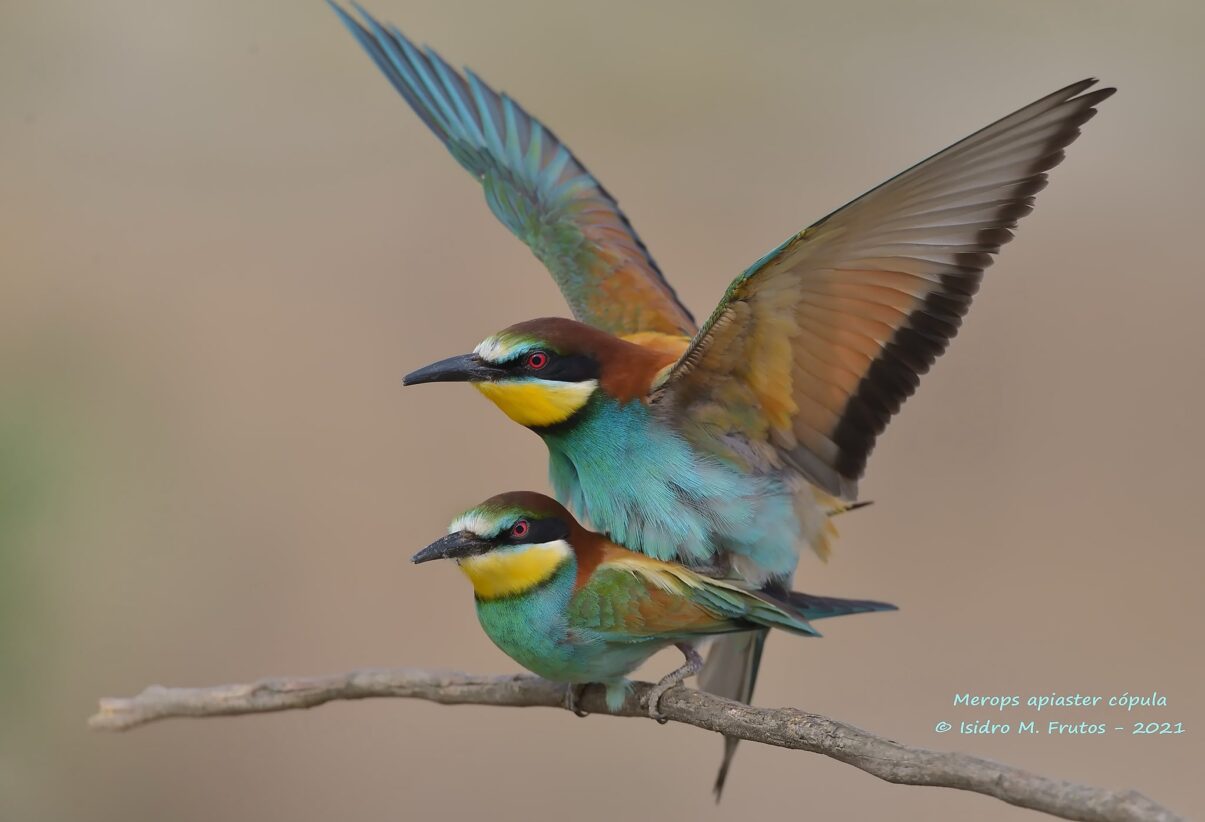
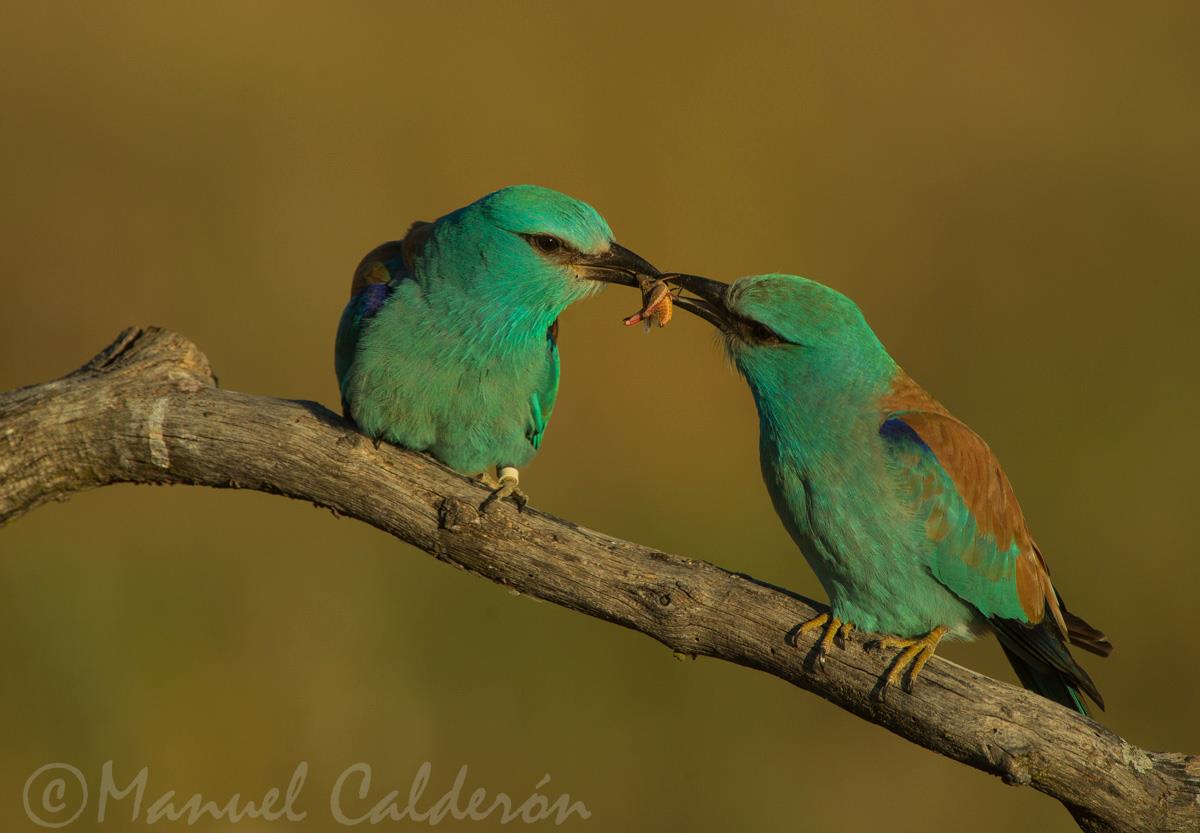
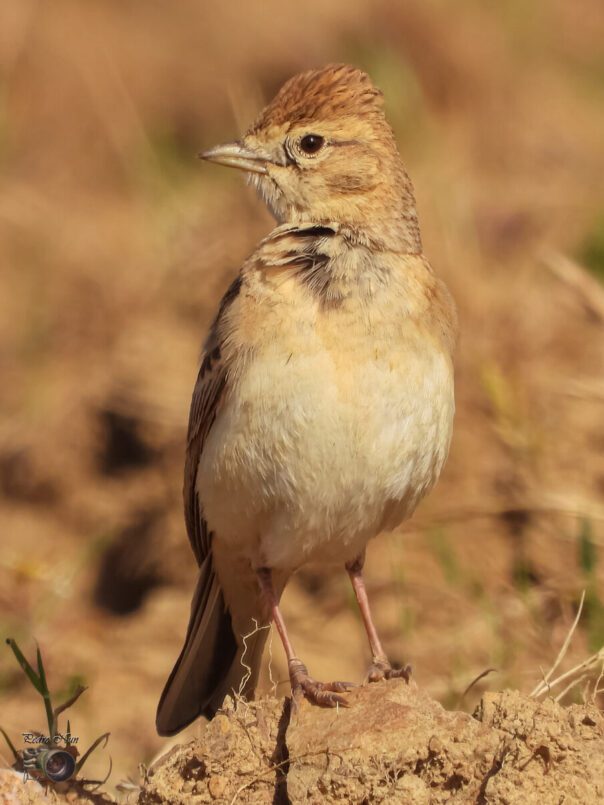
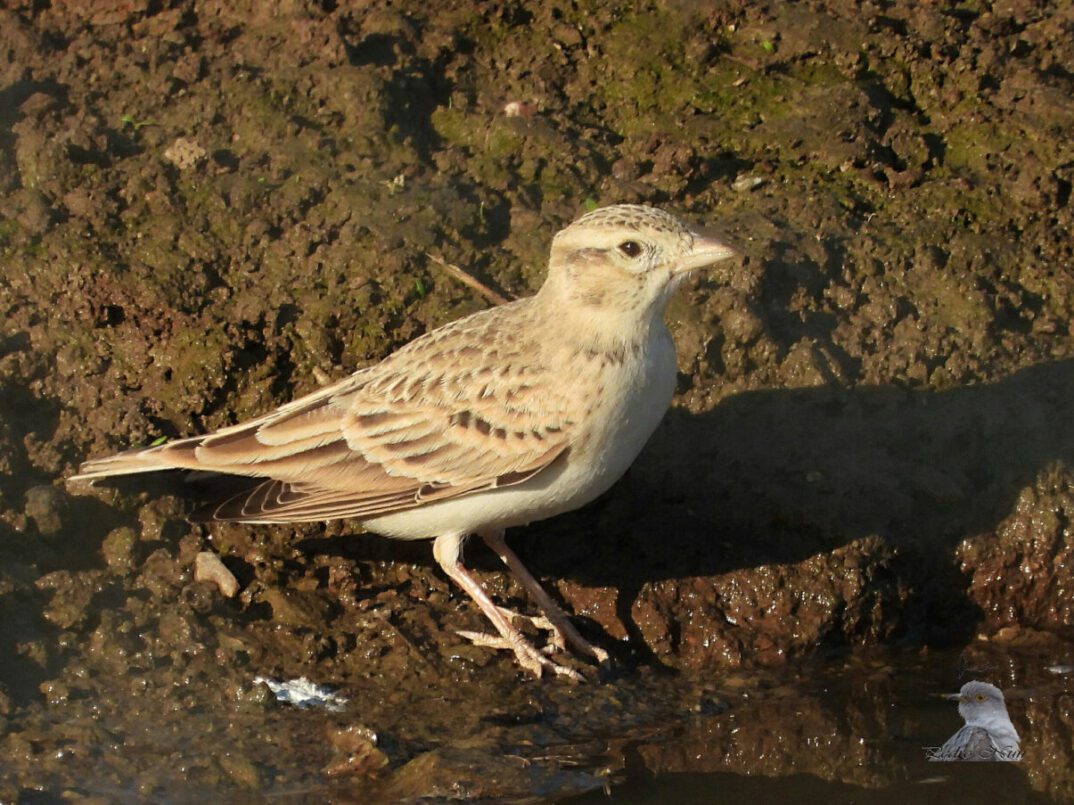
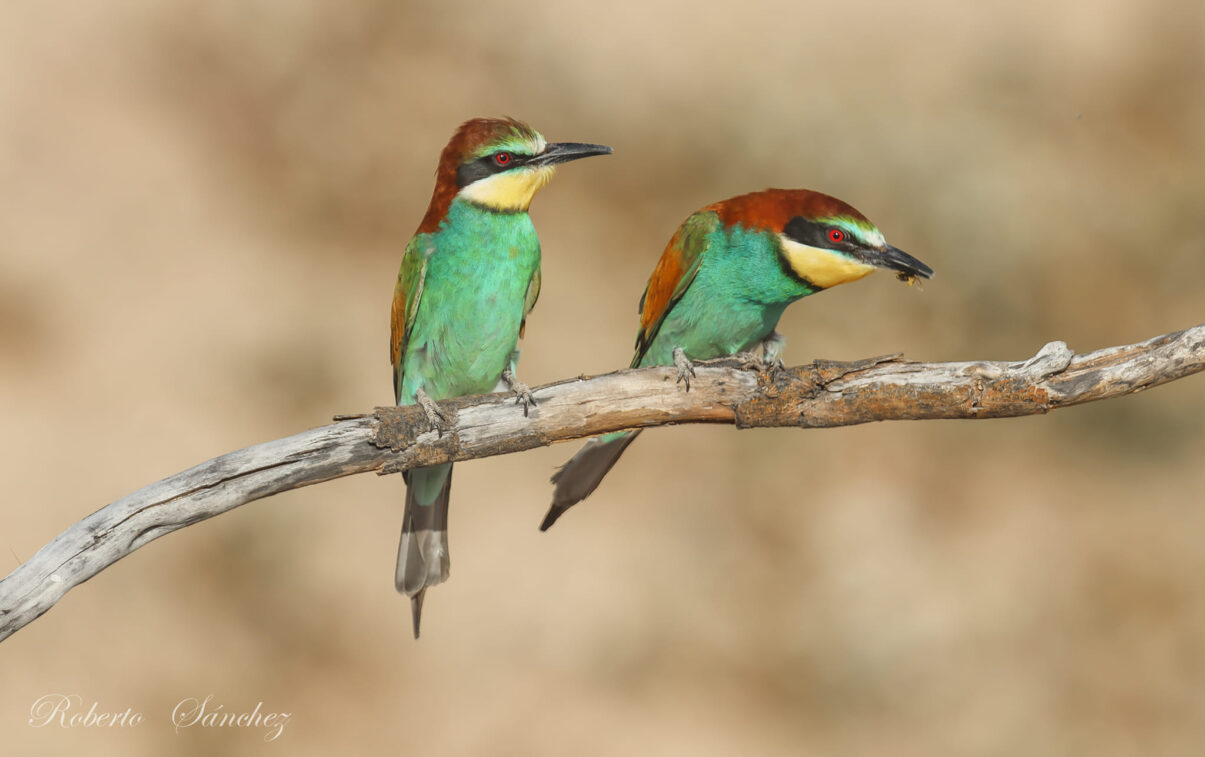
With the arrival of spring, and after the withdrawal of the birds that have spent the winter here that return to northern Europe to their breeding places, the birds that have spent the winter in African lands arrive in our town. A burst of color and exotic sounds invade the Serena steppe. The lesser kestrels are usually the first to come and occupy their nests on the roofs of both urban and houses and stables of the Serena, as well as the primillares that have made the institutions, naturalist associations or farmers. The showy oropendolas go to parks, gardens and trees in the mountains. There are also species such as cuckoos, terreras, Montagu’s harriers, black kites or booted eagles. Undoubtedly, two of the species that take “all the spotlights” for their song and color are the carracas and the bee-eaters. These birds are an explosion of color in the monochromatic green-brown landscapes of La Serena. The carracas, in clear decline, can be seen and heard for miles. In the past, they used to breed in logs, old houses, or nests dug by other species, but nowadays, due to the abandonment of the countryside and the disappearance of these structures, they breed mostly in nest boxes. The poor choice of materials for these can produce a trap effect and the disappearance of the laying or breeding due to high temperatures. The courtship of the caracca is spectacular both for the colorful and frenetic flights and for the incessant singing of the males. The bee-eaters, more gregarious and less territorial than the carracas, usually breed in the cliffs of roads, rivers, gravel pits or mining areas. It is common to hear their song and acrobatic flights in search of insects to entertain their mates or raise their chicks.



Este sitio web utiliza cookies para mejorar su experiencia mientras navega por el sitio web. De estas, las cookies que se clasifican como necesarias se almacenan en su navegador, ya que son esenciales para el funcionamiento de las funcionalidades básicas del sitio web. También utilizamos cookies de terceros que nos ayudan a analizar y comprender cómo utiliza este sitio web. Estas cookies se almacenarán en su navegador solo con su consentimiento. También tiene la opción de rechazar estas cookies. Pero la exclusión voluntaria de algunas de estas cookies puede afectar su experiencia de navegación.| Cookie | Duration | Description |
|---|---|---|
| cookielawinfo-checkbox-analytics | 11 months | This cookie is set by GDPR Cookie Consent plugin. The cookie is used to store the user consent for the cookies in the category "Analytics". |
| cookielawinfo-checkbox-functional | 11 months | The cookie is set by GDPR cookie consent to record the user consent for the cookies in the category "Functional". |
| cookielawinfo-checkbox-necessary | 11 months | This cookie is set by GDPR Cookie Consent plugin. The cookies is used to store the user consent for the cookies in the category "Necessary". |
| cookielawinfo-checkbox-others | 11 months | This cookie is set by GDPR Cookie Consent plugin. The cookie is used to store the user consent for the cookies in the category "Other. |
| cookielawinfo-checkbox-performance | 11 months | This cookie is set by GDPR Cookie Consent plugin. The cookie is used to store the user consent for the cookies in the category "Performance". |
| viewed_cookie_policy | 11 months | The cookie is set by the GDPR Cookie Consent plugin and is used to store whether or not user has consented to the use of cookies. It does not store any personal data. |